

How to Dry Flowers for Beautiful Blooms That Last Longer Than a Season
Fresh flowers brighten any room, but sadly, their beauty often fades within a week or two. The good news? With a little care and the right technique, you can preserve your favorite blooms and enjoy them long after their season has passed. Learning how to dry flowers not only extends their life but also adds timeless charm to your home décor, whether you style them in a vase, hang them as wall art, or use them in craft projects.
This guide walks you through the best methods for drying flowers, tips to keep their color vibrant, and creative ideas for styling dried arrangements that never go out of style. Perfect for anyone who loves cottagecore décor, rustic flower styling, or boho home vibes.

Why Dry Flowers?
Drying flowers is more than just a way to save a bouquet — it’s a way to capture a memory. Maybe it’s roses from your wedding day, a gift bouquet from a loved one, or seasonal wildflowers you gathered on a nature walk. Preserved flowers bring personality and soul into your home.
Dried flowers can:
- Decorate your home with rustic farmhouse elegance, boho dried bouquets, or cottagecore flower displays.
- Last for months (or even years) when cared for properly.
- Be sustainable décor since you’re reusing natural blooms instead of relying on artificial arrangements.
- Work for crafts and DIY projects, like wreaths, candles, flower crowns, or pressed floral artwork.
- Bring texture and color to spaces where fresh flowers might not survive, like cozy reading nooks or sunrooms.
Best Flowers to Dry
Not all flowers dry equally well. Some retain their color and shape beautifully, while others wilt quickly. Here are some of the best blooms for drying — all popular in Pinterest-worthy home décor:
- Roses – Romantic, classic, and perfect for shadow boxes or vintage-style décor.
- Lavender – Keeps both fragrance and color, ideal for farmhouse styling.
- Hydrangeas – Their clustered blooms look stunning in wicker baskets or rustic pitchers.
- Baby’s Breath – Airy filler that pairs well with larger dried bouquets.
- Strawflowers & Statice – Naturally papery texture makes them long-lasting and vibrant.
- Eucalyptus – Adds greenery, structure, and a calming scent.
- Sunflowers – A cheerful rustic option that dries beautifully for autumn décor.

How to Dry Flowers for Beautiful Blooms
1. Air Drying (Easiest & Most Popular)
This classic method is simple and perfect for beginners.
- Gather your flowers in small bunches.
- Remove excess leaves from stems.
- Tie with twine or rubber bands.
- Hang them upside down in a cool, dark, dry place for 2–4 weeks.
This method works best for roses, lavender, hydrangeas, and wildflowers. Hanging upside down helps maintain their shape and prevents drooping, giving you boho-style dried bouquets that are Pinterest favorites.

2. Pressing Flowers
Pressing flowers is ideal for smaller blooms and creative projects.
- Place flowers between sheets of parchment paper.
- Tuck them inside a heavy book or a flower press.
- Leave for 2–3 weeks until fully dry and flat.
Pressed flowers are perfect for framed artwork, cottagecore journals, or DIY greeting cards. This method also creates a vintage-inspired botanical look that’s trending across Pinterest boards.
3. Silica Gel Drying
If you want to preserve color and delicate shapes, silica gel is the way to go.
- Fill an airtight container with silica gel crystals.
- Bury flowers gently in the gel, making sure petals are supported.
- Seal and leave for 1–2 weeks.
Silica gel drying is perfect for daisies, peonies, orchids, or any bloom you want to keep looking vibrant and almost “fresh.” It’s a great way to make rustic flower décor with bold colors.
4. Microwave Drying (Fastest Way)
For quick results, try the microwave method.
- Place flowers between two microwave-safe plates or with silica gel in a container.
- Heat in short intervals of 30 seconds until dry.
- Allow flowers to cool before using.
This works best for small, sturdy blooms when you need DIY dried flowers for a last-minute craft project.
Tips for Perfectly Preserved Blooms
- To keep your flowers looking beautiful for as long as possible:
- Harvest at the right time – Pick flowers before they fully open for stronger petals.
- Keep away from moisture – Dry flowers thoroughly to prevent mold.
- Avoid direct sunlight – Prevents fading and helps maintain color.
- Use hairspray or floral sealant – Light misting protects fragile petals.
- Mix textures – Pair soft blooms with structured greenery for a Pinterest-worthy boho look.
Styling Ideas for Dried Flowers
Now comes the fun part — decorating with your preserved blooms! Here are some trending ways to style dried flowers:
- Arrange them in vintage vases or ceramic pitchers for rustic farmhouse charm.
- Create a flower wall hanging with twine, wooden dowels, and bunches of lavender or eucalyptus.
- Add to DIY candles or resin coasters for handmade keepsakes.
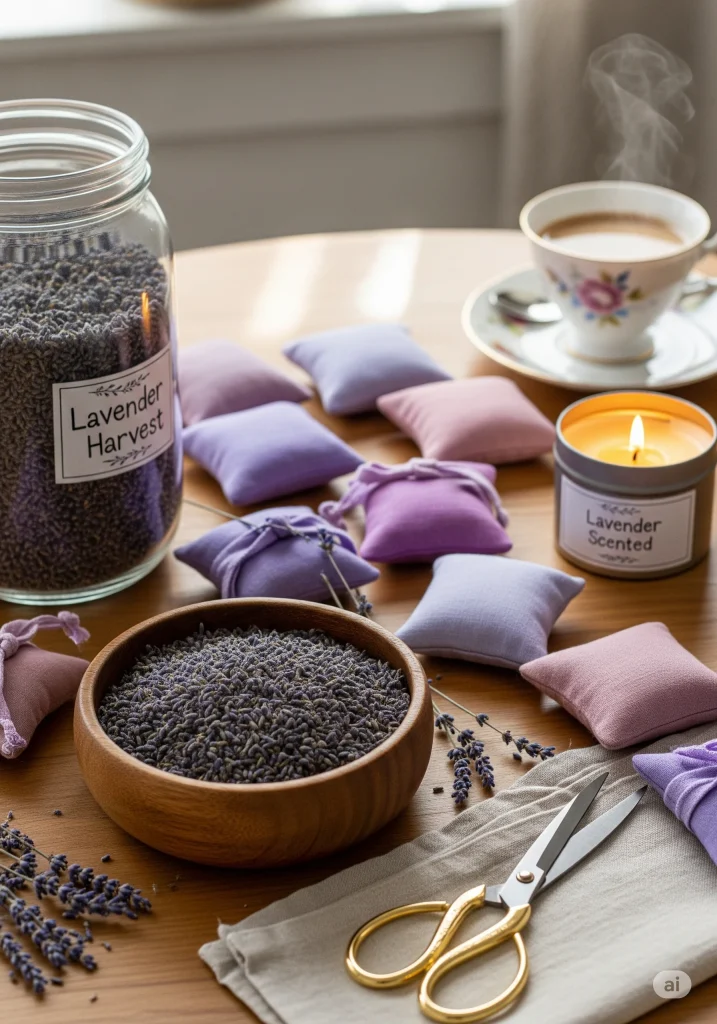
- Tuck dried lavender into linen sachets for cottagecore romance.
- Style hydrangeas in wicker baskets for cozy country homes.
- Mix wildflowers into a boho dried bouquet for your entryway table.
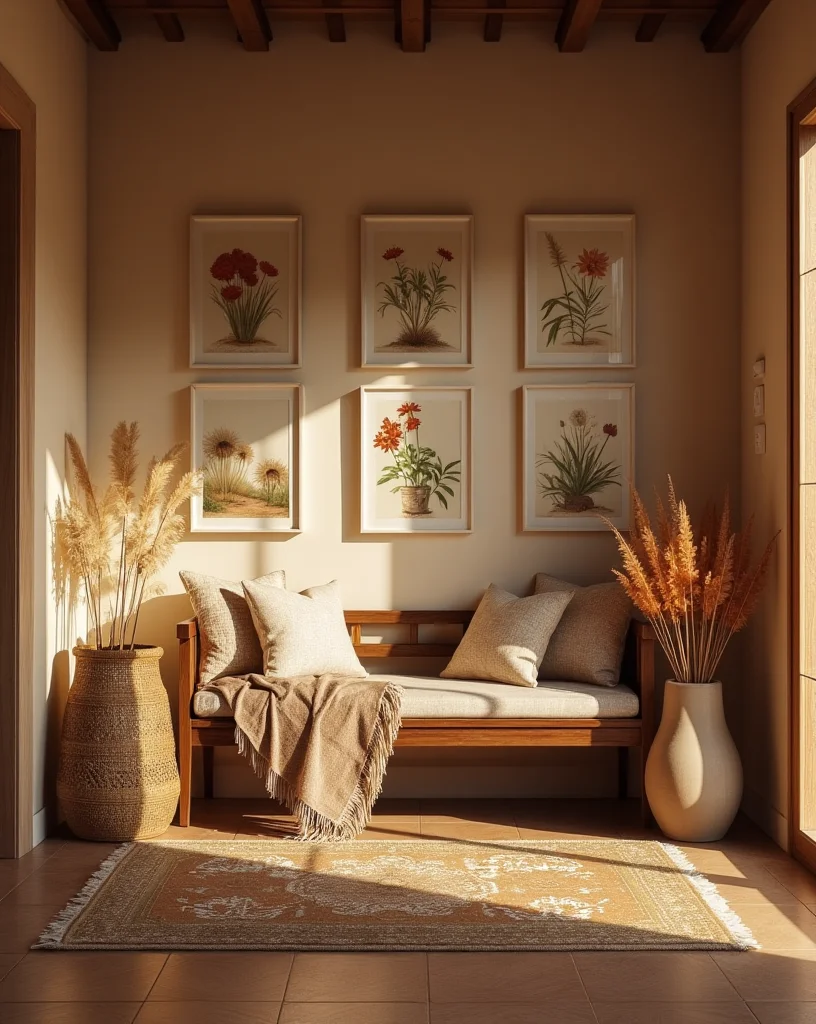
- Use pressed blooms in gallery wall frames for vintage-inspired décor.
Pinterest is full of inspiration for cottagecore flower styling and rustic floral arrangements, making dried flowers one of the most versatile and affordable décor options.

Choosing Colors That Hold Up After Drying
Color changes as a flower loses moisture, so the shade seen in a fresh bouquet is not always the shade that remains. Deep and saturated colors often stay clearer after drying, while very pale petals can turn cream, tan, or light brown. Look at the center and the edges of each bloom as well, because the two areas may dry at different rates and finish with a softer contrast than the fresh flower showed.
Grouping colors before drying helps the finished arrangement look planned. Place strong colors beside softer ones, note which blooms fade most, and keep a few spare stems from the same batch for later repairs or additions. A simple range of two or three related shades is usually easier to style than many unrelated colors mixed together.
Drying Flowers When the Air Is Humid
Humid air slows drying because moisture leaves the petals and stems more slowly. Good air movement matters more in these conditions than a warm room alone. Hang bunches with space between them, keep the drying area away from steam from cooking or bathing, and avoid crowding stems into a container before they are fully dry. Smaller bunches dry more evenly than large bunches, since air can reach the stems in the middle.
Check the stems often while they dry. A stem that still bends easily or feels cool and damp needs more time, while a dry stem feels firm and light. If mold appears on a bloom, remove that stem from the bunch so the rest can continue drying in clean moving air. Patience at this stage protects both color and shape, and rushing the process can trap moisture inside thicker blooms.
Keeping Dried Arrangements Looking Fresh
Dried arrangements gather dust because the petals and stems are still and dry. Use a soft brush or a gentle stream of cool air to lift dust from the surface, working from the top of the arrangement downward. Hold delicate stems steady with one hand while cleaning, and avoid pressing on petals, which can crack or break once they have dried fully.
Placement also affects how fresh an arrangement looks over time. Keep dried flowers away from direct sun, damp rooms, and places where they will be brushed past often. Turn a vase now and then so fading is more even, and remove any stem that has broken or lost its shape. A short check every few weeks keeps small problems from turning an arrangement untidy.
Mixing Dried and Fresh Flowers in One Arrangement
Dried and fresh flowers can share one arrangement when water is kept away from the dried stems. Place fresh stems in a narrow container of water set inside a larger vase, or use separate small holders grouped together, so dried stems stay dry beside them. Add the dried pieces last, after the fresh flowers and greenery are in place, to reduce handling and breakage.
Choose colors and shapes that connect the two groups. A dried stem in a shade close to a fresh bloom helps the mix look intentional, while grasses and seed heads add texture between softer petals. Remove fresh flowers as they fade and leave the dried base in place, then refresh the arrangement with new fresh stems in the same color range when needed.
Final Thoughts
Drying flowers is a simple yet magical way to extend the beauty of nature far beyond a single season. Whether you’re preserving sentimental roses from a special occasion or gathering wildflowers for rustic bouquets, these methods ensure your blooms stay lovely for months — sometimes years.
From boho dried bouquets to cottagecore pressed florals, dried flowers bring warmth, nostalgia, and timeless elegance into your home. With just a little effort, you can transform fleeting petals into décor that tells a story and lasts beautifully through every season.
Related:
- Charming Nature-Inspired Home Décor Ideas Using Pressed Flowers, Leaves & Twigs
- How to Paint Terracotta, Clay, or Ceramic Pots at Home
- 25 Whimsical DIY Sewing Craft Ideas for Pure Creative Joy
- How to Make Homemade Candles: A Simple & Soulful DIY Guide



One Comment