
The Perfect Lighting for Reading Rooms and Home Libraries
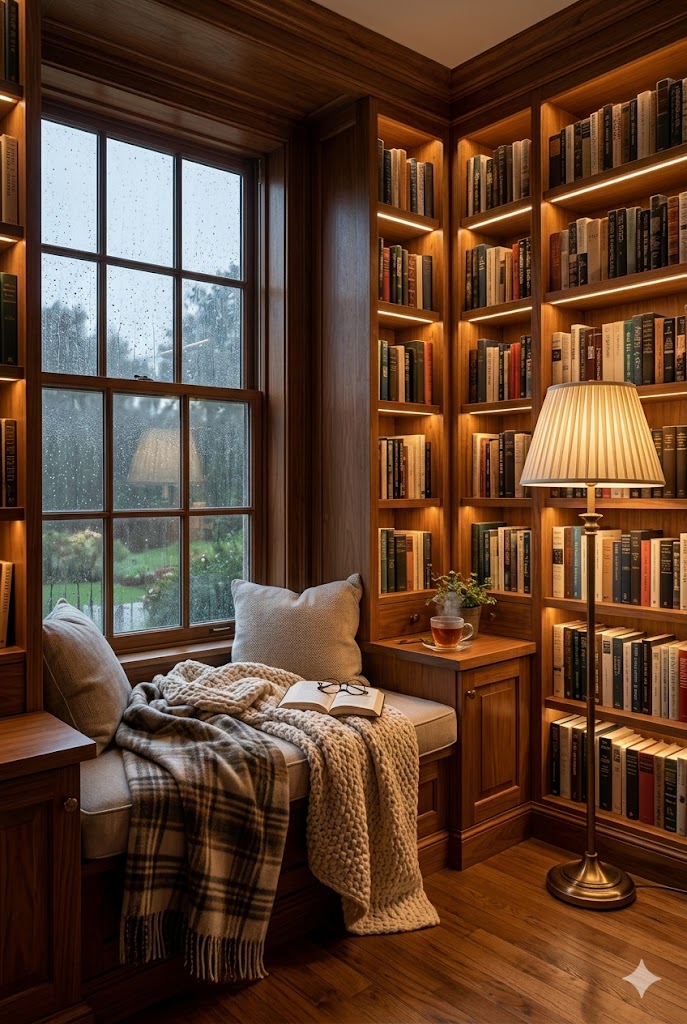
Perfect lighting for reading rooms and home libraries can completely transform the way a space looks and feels. The right combination of ambient, task, and accent lighting creates a warm atmosphere while making reading more comfortable and reducing eye strain. Whether you’re designing a dedicated library, a cozy reading nook, or a multifunctional study room, thoughtful lighting choices can make all the difference.
In this guide, we’re breaking down the best lighting practices, bulb types, placement tricks, design ideas, and aesthetic-focused solutions so you can create a reading environment that feels magical and functional.
Table of Contents
1. Why Perfect Lighting for Reading Rooms Matters
Reading isn’t just about comfort—it’s about visibility, clarity, and atmosphere. Poor lighting can cause:
- Eye strain
- Headaches
- Shadows across pages
- Glares from overhead lights
Good lighting lets you read longer, stay relaxed, and creates a peaceful vibe. It also enhances the textures of wood shelves, highlights book spines, and makes your reading room feel intentionally styled.
2. Understanding the Three Layers of Lighting
Creating the perfect lighting for reading rooms starts with layering ambient, task, and accent lighting to support different activities throughout the day.
1. Ambient Lighting (General Illumination)
This is your overall light source—what fills the room. It may come from a pendant lamp, chandelier, or recessed lighting. Ambient lighting sets the mood and ensures the room never feels dark or cramped.
2. Task Lighting (Focused Reading Light)
This is the most important light for readers. It includes table lamps, floor lamps, swing-arm wall lights, or desk lamps that shine directly on your book or journal.
3. Accent Lighting (Shelves & Décor Highlights)
Accent lighting adds depth and ambience—think LED strips on shelves, picture lights above artwork, or small spot lamps aimed at bookcases. These lights create dimension and warmth.
Each layer serves a different purpose, and together, they create a balanced, comfortable reading environment.
3. Choosing the Right Bulbs: Color Temperature, Lumens & CRI
Choosing the right bulb temperature is one of the most important steps in achieving the perfect lighting for reading rooms.
Color Temperature (Kelvin)
- 2700K–3000K (Warm White): Best for reading rooms; soft, relaxing, cozy.
- 4000K+ (Cool White): Too harsh for evening reading—avoid.
Warm white is the sweet spot for comfort and long sessions.
Brightness (Lumens)
- 450 lumens is ideal for a focused reading lamp.
- For larger rooms, layer multiple light sources for balanced brightness instead of relying on one strong bulb.
CRI (Color Rendering Index)
A high CRI bulb (90+) makes book covers, artwork, and wood tones look more accurate and vibrant.
4. Harnessing Natural Light the Right Way
If your reading space has windows, take advantage of natural light—but strategically.
- Place your reading chair next to the window, not directly in front of it.
- Avoid harsh afternoon sun that casts glare.
- Use sheer curtains to soften the light.
- Position bookshelves away from strong UV exposure to prevent fading.
Natural light during the day creates a bright, uplifting reading environment.
5. Lighting Placement Secrets for Maximum Comfort
Proper lamp placement plays a major role in creating the perfect lighting for reading rooms, helping reduce glare and improve reading comfort.
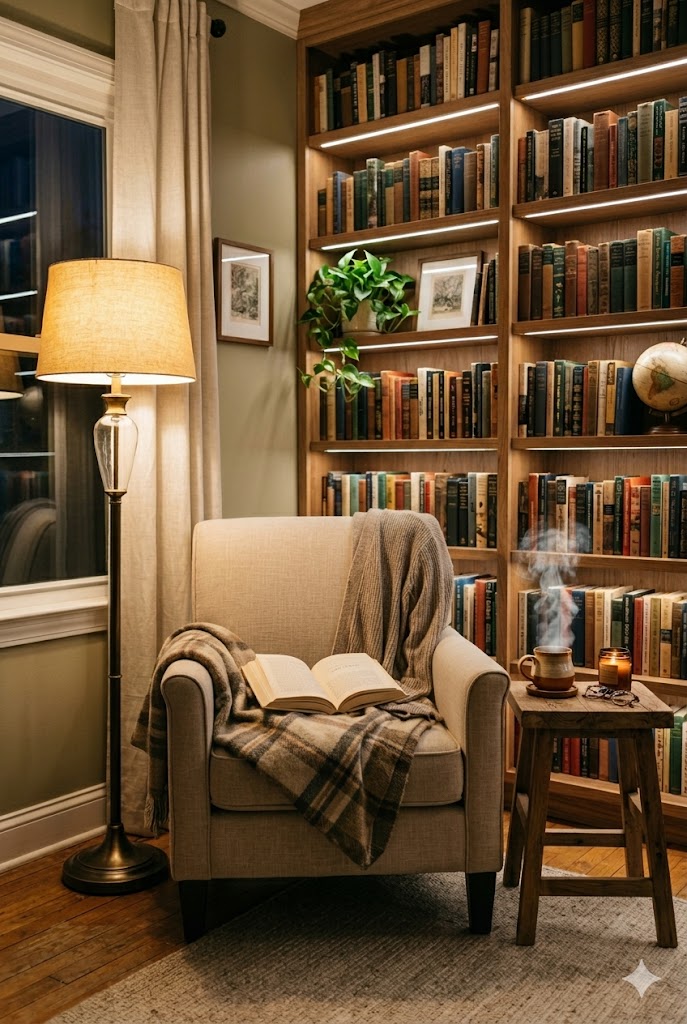
For a Reading Chair
Place a floor lamp slightly behind and to the side so light falls over your shoulder without hitting your eyes.
For a Desk or Table
Use an adjustable desk lamp with a flexible arm and aim it away from shiny surfaces to reduce glare.

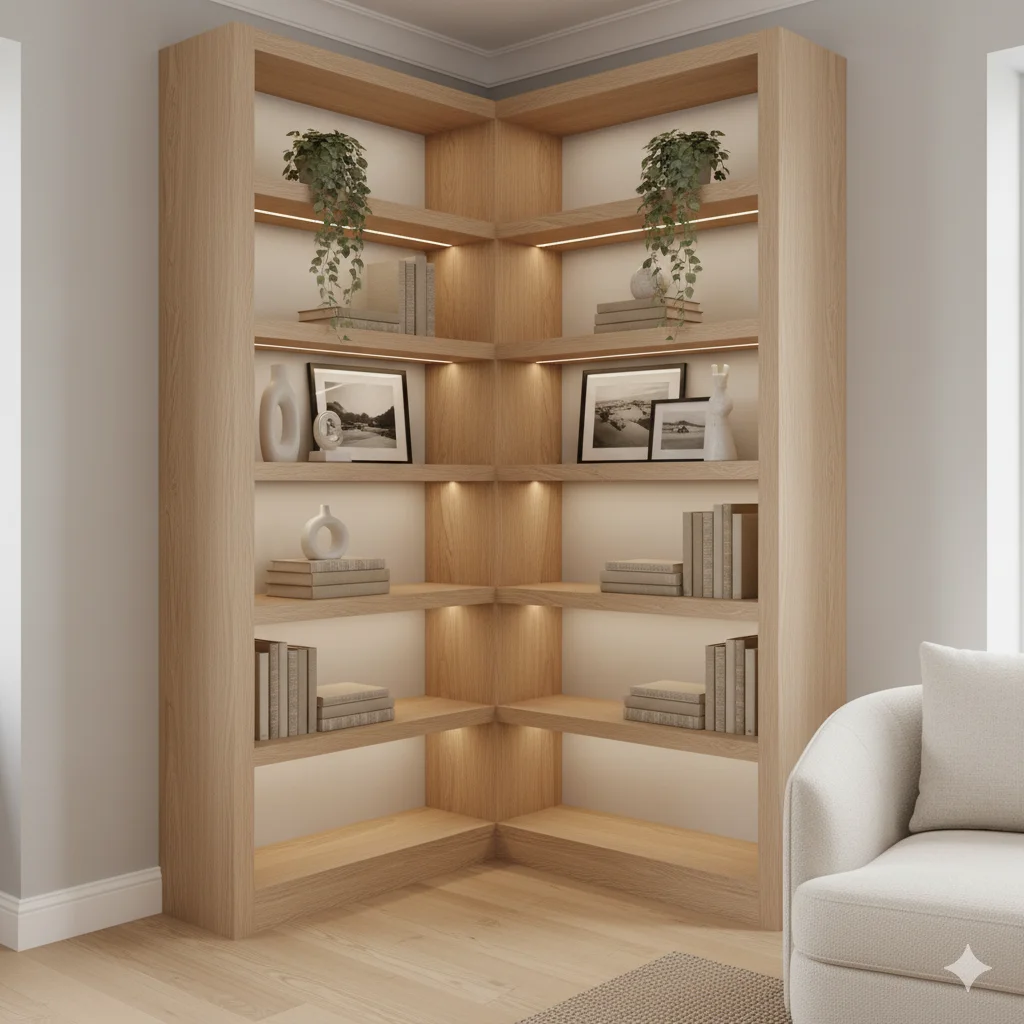
For Bookcases
Add LED strips or mini puck lights under shelves to highlight your collection and make it easier to find titles.
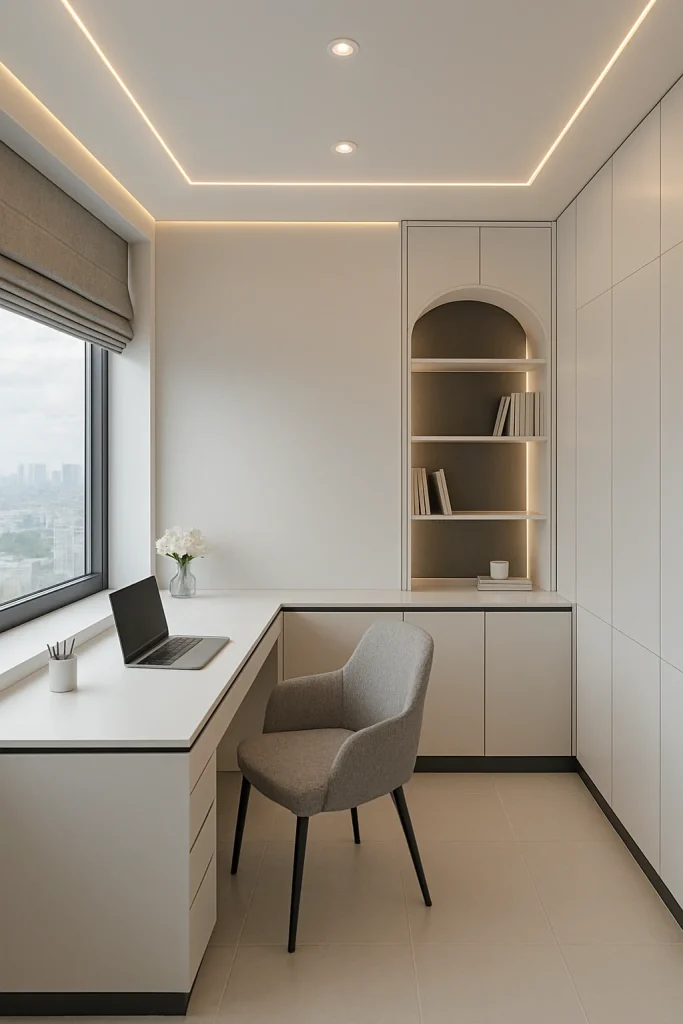
For Ceiling Lighting
Install your main fixture with a dimmer so you can shift from bright daytime reading to cozy nighttime vibes.
6. Best Lighting Fixtures for Reading Rooms
1. Floor Lamps
Great for corners, reading chairs, or small rooms. Choose ones with adjustable heads or arms.
Shop Now: Garvee Modern Remote Control Floor Lamp with Glass Shade Get 15% OFF (BL15)
2. Swing-Arm Wall Lamps
Perfect for tight spaces or built-in reading nooks—no side table needed!
Shop Now: Modern Eva Swing-Arm Sconce
3. Table Lamps
A classic choice that doubles as décor. Look for downward-directed shades for focused light.
Shop Now: Touch Table Lamp Magnetic Desk Lamp
4. Shelf Lighting
LED strip lighting adds ambience and makes book spines glow beautifully.
5. Arc Lamps
Stylish and dramatic—ideal for modern reading spaces with open seating layouts.
Shop Now: Garvee Silver Living Room Arc Floor Lamp Get 15% OFF (BL15)
6. Ceiling Lamp
Shop Now: LED Ceiling Light With Alexa Google Voice Control For Home
7. Lighting Ideas by Aesthetic
Dark Academia Style Lighting
- Brass library lamps
- Green glass banker’s lamps
- Candle-style sconces
- Warm, golden lighting that feels scholarly and vintage
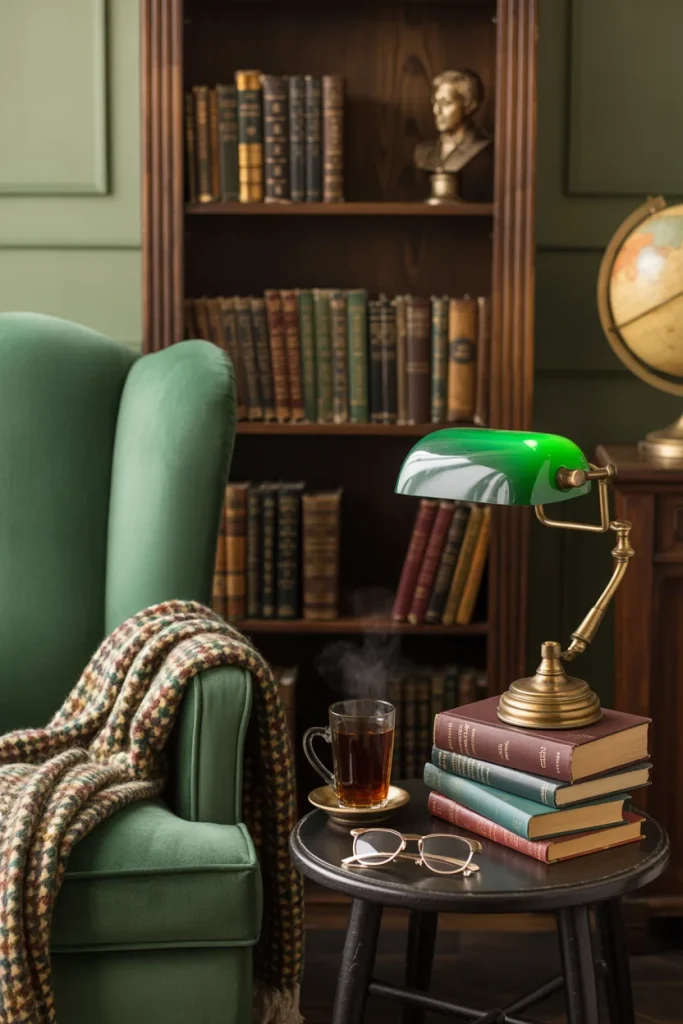
You may also like: Dark Academia Aesthetic: Home Library & Reading Nook Ideas
Shop the look: Desk/Piano Lamp 14″ Antique Brass, One Light Banker’s Lamp
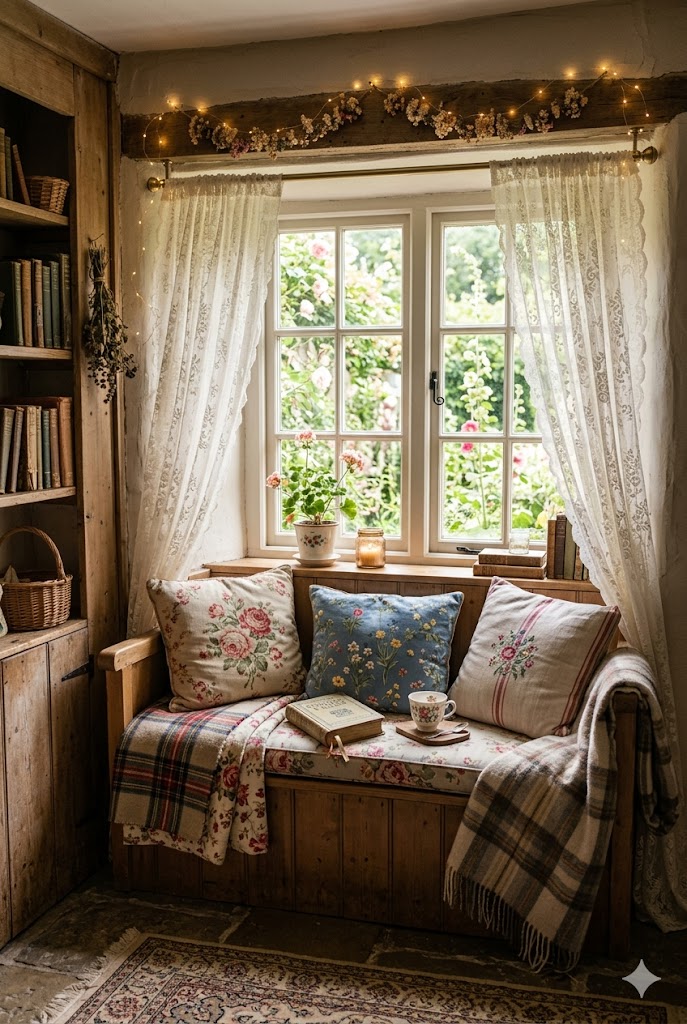
Cottagecore Style Lighting
- Soft fairy lights
- Woven or lace lampshades
- Warm Edison bulbs
- Soft, diffused glow for a dreamy atmosphere
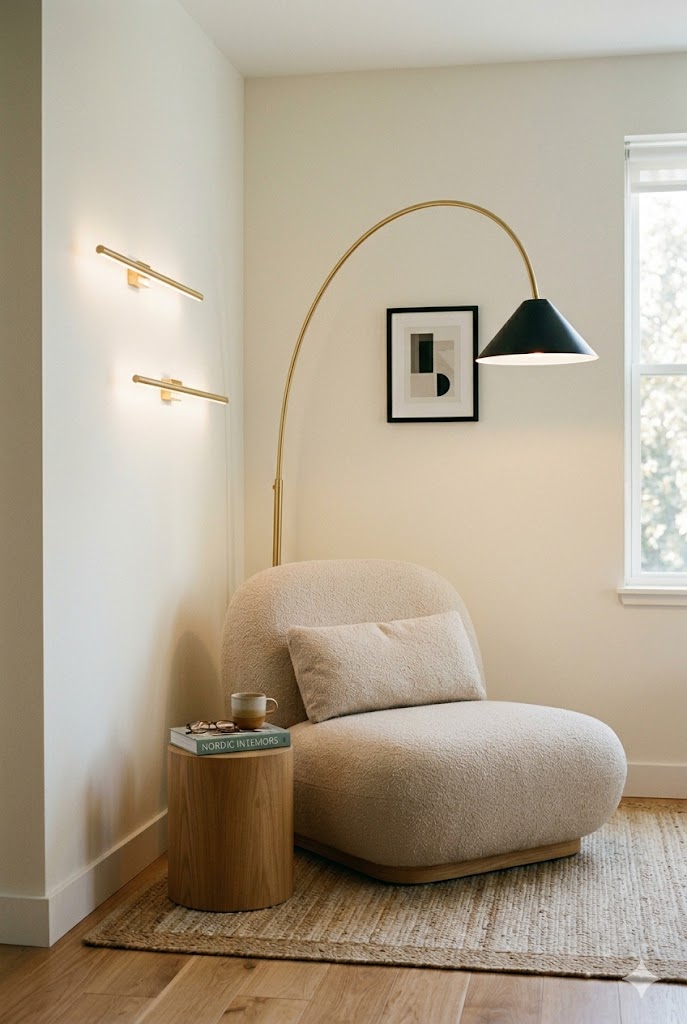
Modern Minimalist Style Lighting
- Clean LED light bars
- Slim gooseneck lamps
- Neutral-toned fixtures
- Hidden shelf lighting
You may also like: 15 Dreamy Reading Nook Ideas for Every Corner of Your Home
Cozy Home Library Lighting
- Layered warm lighting
- Floor lamps with fabric shades
- Shelf lights for depth
- Plenty of dimmable options

You may also like: DIY Bookshelf Projects for Every Skill Level
Shop the Look: Floor Lamp with Tray
8. Budget-Friendly Reading Room Lighting Hacks
Not every reading space needs expensive lighting. Try:
- LED strip lights under shelves (affordable + magical)
- Thrifted table lamps with new warm-white bulbs
- Wall-mounted plug-in sconces
- Rechargeable clip-on reading lamps
- Smart bulbs you can dim with your phone
Small upgrades = big atmosphere shifts.
9. Common Lighting Mistakes to Avoid
Avoid these so your reading nook feels comfortable, not chaotic:
- Using only overhead lighting
- Reading in dim rooms (causes eye strain)
- Choosing bulbs that are too cool or blue-toned
- Placing lights directly in your sightline
- Forgetting dimmers
- Over-lighting small rooms
A gentle, layered approach always looks intentional.
10. Final Checklist Before You Finish Your Reading Room
- Warm white bulbs (2700K–3000K) ✔
- A dedicated task lamp ✔
- Layered lighting sources ✔
- Lighting aimed away from your eyes ✔
- Dimmer switches installed ✔
- Shelf lighting for ambience ✔
- Natural light softened with sheers ✔
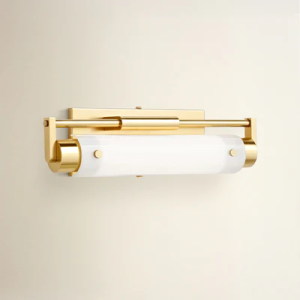
Shop the Look
FAQs: Lighting for Reading Rooms & Home Libraries
1. What is the perfect lighting for a reading room?
The perfect lighting for a reading room is a combination of task lighting, ambient lighting, and accent lights. Warm light between 2700K–3000K creates a cozy atmosphere, while focused task lamps ensure you have the best lights for reading without eye strain.
2. What type of lighting is best for home libraries?
For home library lighting design, layered lighting works best. Use soft overhead ambient light, add floor or table lamps for reading, and incorporate LED strip lights for bookshelves to highlight your collection and enhance the room’s mood.
3. How bright should a reading lamp be?
A good reading lamp should have around 450 lumens for clear, comfortable visibility. Choose soft warm-white bulbs to avoid glare and support eye-friendly reading during long sessions.
4. Is warm or cool lighting better for reading?
Warm lighting is better for reading because it’s soothing, natural, and comfortable for the eyes. Warm and cozy lighting in the 2700K–3000K range is ideal for reading nooks and home libraries.
5. How do I get balanced lighting in a reading room?
Use layered lighting:
- Ambient lighting for general glow
- Task lighting for reading
- Accent lights for shelves and décor
This creates layered lighting for home libraries that feels warm, functional, and visually appealing.
Conclusion
Achieving the perfect lighting for reading rooms is about balancing comfort, functionality, and style. By combining layered lighting, warm bulbs, and thoughtful placement, you can create a home library or reading nook that feels both inviting and practical.The perfect reading room or home library isn’t just about books—it’s about atmosphere, comfort, and intentional design. With the right lighting layers, bulbs, placement, and aesthetic choices, you can create a space that feels warm, immersive, and beautifully styled. Whether you’re building a cozy corner or a full library, lighting will always be the feature that brings the whole room together.
Related Guides
If you’re planning a full reading setup, this complete guide to home library and study room ideas shows how to design a cozy space in any corner of your home.
Part of our Home Library Design Series
- How to Style Your Bookshelves Like an Interior Designer
- Window Seat Reading Nooks: A Perfect Cozy Escape
- Hidden Bookshelf Doors: A Magical Home Library Upgrade
- 10 Perfect Cozy Reading Chairs Every Book Lover Will Adore
- Where Shadows Glow: Moody Corners That Feel Like Home
- Desk Décor with Succulent Planters: Creative Ideas to Style Your Workspace
If you’re planning a full academia setup, this complete guide to Academia Aesthetic Home Décor shows how to design a cozy space in any corner of your home.




One Comment