Woven Wonder: 7Creative Ways to Use Textiles in Interior Design
Textiles have a unique ability to transform a space from ordinary to inviting. Whether you’re decorating a modern apartment, a cozy cottage, or a bohemian-inspired home, woven textiles in interior design add warmth, texture, and personality that paint and furniture alone simply can’t achieve.
From chunky knit throws and woven wall hangings to natural fiber rugs and handcrafted baskets, textiles introduce layers that make a room feel lived-in and welcoming. They soften hard surfaces, improve visual interest, and help create a comfortable atmosphere that reflects your personal style.
If you’re looking for easy ways to elevate your home without a major renovation, these seven creative textile styling ideas can make a significant impact.

Why Woven Textiles Matter in Interior Design
Interior designers often refer to texture as the secret ingredient that brings a room to life. Without texture, even the most carefully curated spaces can appear flat or sterile.
Woven textiles in interior design provide:
- Visual depth and dimension
- Warmth and comfort
- Natural materials that soften hard surfaces
- Color and pattern opportunities
- Seasonal styling flexibility
- A handcrafted, personalized look
Whether your style leans modern, farmhouse, coastal, Scandinavian, or bohemian, woven elements can blend seamlessly into almost any design aesthetic.
1. Make a Statement with Woven Wall Hangings

One of the easiest ways to incorporate textile décor is through woven wall art. Large woven hangings create a focal point while adding texture that traditional framed artwork cannot provide.
Macramé pieces, handwoven tapestries, and fiber art installations work beautifully above:
- Beds
- Sofas
- Entryway consoles
- Dining room buffets
- Reading nooks
Neutral woven wall hangings complement minimalist interiors, while colorful tapestries bring energy and artistic flair to a room.
For a curated look, layer different sizes and textures together to create a gallery-style arrangement.
Styling Tip
Pair woven wall art with natural wood furniture and ceramic accessories for a balanced, organic feel.
Related Post: DIY Macramé Wall Hangings to Beautify Your Walls
2. Layer Rugs for Instant Warmth

Layering rugs is one of the most effective textile décor ideas for creating a cozy and professionally styled space.
Instead of relying on a single rug, combine different materials and weaves to add depth.
Popular combinations include:
- Jute rug topped with a vintage patterned rug
- Flatweave rug layered beneath a plush wool rug
- Natural fiber rug paired with a colorful kilim
This technique works especially well in:
- Living rooms
- Bedrooms
- Home offices
- Covered patios
The contrast between textures makes the room feel more dynamic and visually interesting.
Styling Tip
Keep one rug neutral and allow the top layer to introduce color or pattern.
3. Use Throw Blankets as Decorative Layers

A beautifully draped throw blanket can instantly make a room feel inviting.
Chunky knits, woven cotton throws, linen blankets, and tasseled textiles add softness while serving a practical purpose.
Place throws:
- Over the arm of a sofa
- Folded at the foot of a bed
- Inside decorative baskets
- Across accent chairs
Mixing different textile weights creates a layered look that feels effortlessly stylish.
During colder months, opt for wool and chunky knit textures. In warmer seasons, lightweight linen and cotton throws keep the space feeling fresh.
Styling Tip
Choose throws in complementary tones rather than exact color matches for a more natural designer-inspired appearance.
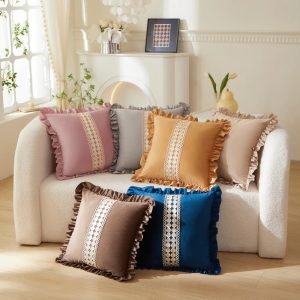
4. Elevate Seating with Textured Pillows
Decorative pillows are one of the most affordable ways to experiment with woven textiles in interior design.
Instead of purchasing matching pillow sets, combine various materials and patterns such as:
- Woven cotton
- Bouclé
- Linen
- Embroidered fabrics
- Moroccan-inspired textiles
- Handwoven pillow covers
The key is variety. Different textures create visual richness while maintaining a cohesive color palette.
For example, a neutral sofa can come alive with a mixture of cream, beige, rust, and soft brown woven cushions.
Styling Tip
Use odd numbers when arranging pillows for a more relaxed and designer-approved look.
Related Post: DIY Decorative Throw Pillows
5. Decorate with Woven Baskets

Woven baskets combine beauty and functionality, making them a favorite in modern home styling.
Natural baskets made from rattan, seagrass, water hyacinth, and wicker provide storage while contributing texture to a room.
Use woven baskets for:
- Blanket storage
- Indoor plant covers
- Magazine organization
- Laundry storage
- Toy storage
- Entryway accessories
Their natural appearance complements a wide variety of decorating styles, from coastal and farmhouse to Scandinavian and bohemian.
Styling Tip
Group baskets of varying heights and shapes together for an intentionally collected look.
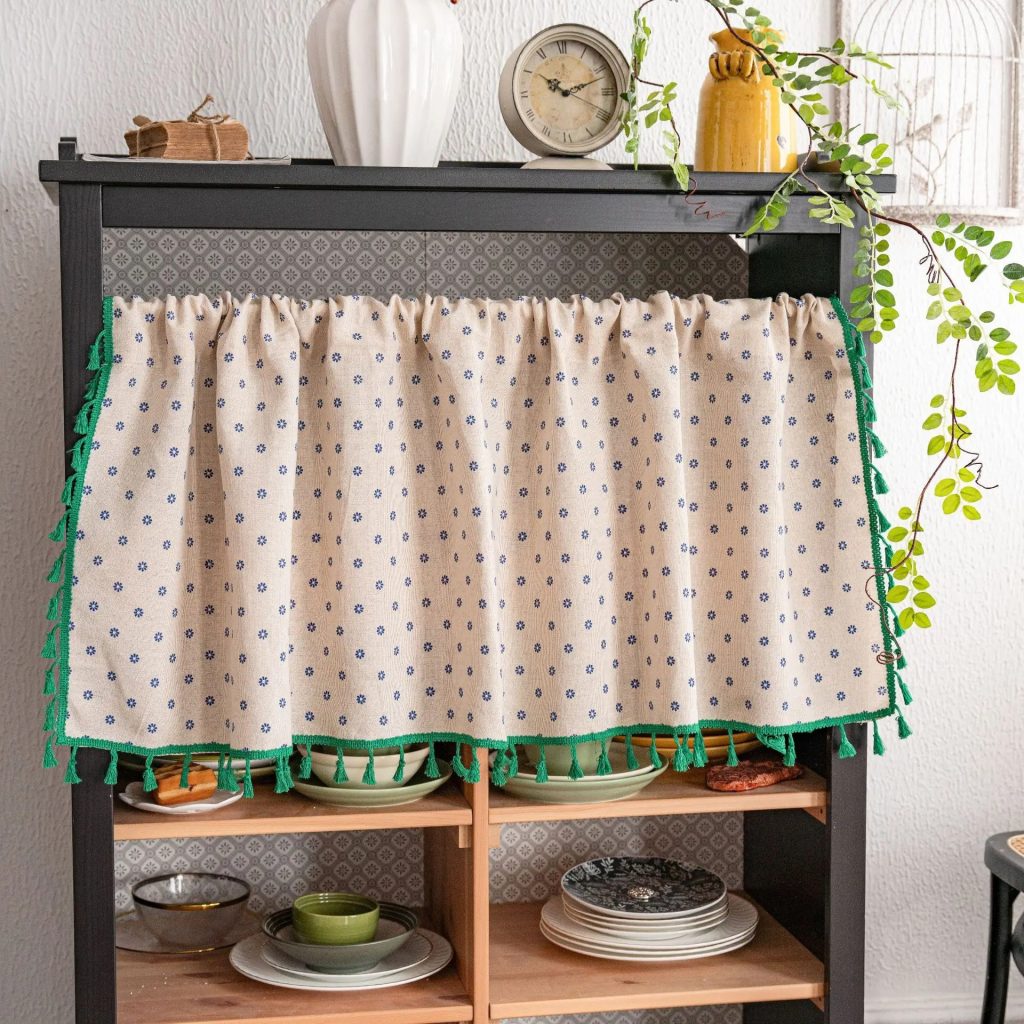
6. Introduce Natural Fiber Window Treatments

Window treatments are often overlooked when considering textile design opportunities.
Woven shades and natural fiber curtains bring warmth while filtering light beautifully throughout the day.
Popular options include:
- Bamboo shades
- Woven wood blinds
- Linen curtains
- Cotton drapery panels
- Natural grasscloth shades
These materials help soften windows and create a more relaxed atmosphere than synthetic alternatives.
Natural fiber treatments work especially well in living rooms, bedrooms, sunrooms, and dining spaces.
Styling Tip
Layer woven shades with soft curtains for a luxurious, high-end appearance.
7. Create Cozy Corners with Layered Textiles

A cozy reading nook or relaxation corner becomes even more inviting when multiple textiles are layered together.
Combine:
- A woven rug
- A textured throw blanket
- Decorative pillows
- An upholstered chair
- A woven basket for books
Layering these elements creates a tactile experience that encourages relaxation.
This approach works wonderfully in small apartments where every corner can serve multiple purposes while maintaining visual appeal.
Styling Tip
Stick to a limited color palette and allow texture to be the star of the design.
Choosing Textiles in Interior Design with Style
Different woven materials create different moods within a space.
For a Coastal Look
Choose:
- Jute
- Seagrass
- Linen
- Light cotton
For a Bohemian Interior
Choose:
- Macramé
- Colorful woven fabrics
- Vintage textiles
- Tassels and fringe
For a Modern Home
Choose:
- Neutral woven textures
- Minimalist patterns
- Wool blends
- Simple geometric designs
For Farmhouse Style
Choose:
- Cotton weaves
- Plaid patterns
- Chunky knit textiles
- Natural linen fabrics
Selecting materials that complement your existing décor helps create a cohesive and intentional design.
Common Textile Styling Mistakes to Avoid
While layered textiles create beautiful interiors, too much texture can overwhelm a room.
Avoid:
- Using too many competing patterns
- Mixing unrelated color palettes
- Choosing textiles solely for appearance rather than comfort
- Ignoring scale and proportion
- Overcrowding small spaces with excessive décor
Balance is key. A few thoughtfully chosen woven pieces often have more impact than an abundance of decorative items.
Let Your Fabric Speak
Textiles are the soul of a room. They hold memories, colors, textures, and traditions.Thoughtfully using textiles in interior design allows you to layer stories, textures, and craft into every corner of your home
Need more crafty ideas? How to Add a Crafty Touch to Your Bedroom Decor
So grab that needle, collect your scraps, and let the fabric tell your design story.
Final Thoughts: Textiles in Interior Design
Incorporating woven textiles in interior design is one of the easiest and most affordable ways to add warmth, depth, and character to your home. From statement wall hangings and layered rugs to cozy throws and woven baskets, textiles create the visual richness that transforms a house into a welcoming retreat.
Whether your style is modern, farmhouse, coastal, or bohemian, these woven décor ideas help create spaces that feel comfortable, personal, and beautifully curated. Start with one or two textile elements, then gradually layer additional textures to discover the perfect balance for your home.