Japandi Interior Design: How to Achieve the Perfect Zen Style
In a world that feels increasingly chaotic, many homeowners are turning to Japandi interior design for its calm, grounding energy. This hybrid style, which fuses Japanese minimalism with Scandinavian functionality, is all about creating a serene, stylish, and uncluttered space. In this guide, we’ll show you how to embrace the Japandi aesthetic and design a Zen-style home that nurtures peace and simplicity.

1. What is Japandi Interior Design?
Japandi is a seamless blend of two powerful design philosophies:
- Japanese Wabi-Sabi: Appreciates imperfection, natural materials, and a sense of tranquility.
- Scandinavian Hygge: Prioritizes comfort, functionality, and minimalistic beauty.
Together, they create an aesthetic that is minimal but warm, natural yet curated, and deeply intentional in every design choice.


2. Use a Neutral & Earthy Color Palette
The foundation of Japandi style is a neutral color scheme. Think soft whites, warm beiges, greys, clay, taupe, and charcoal. Occasionally, add black accents for contrast. These calming hues reflect nature and help maintain visual harmony.

3. Choose Natural Materials
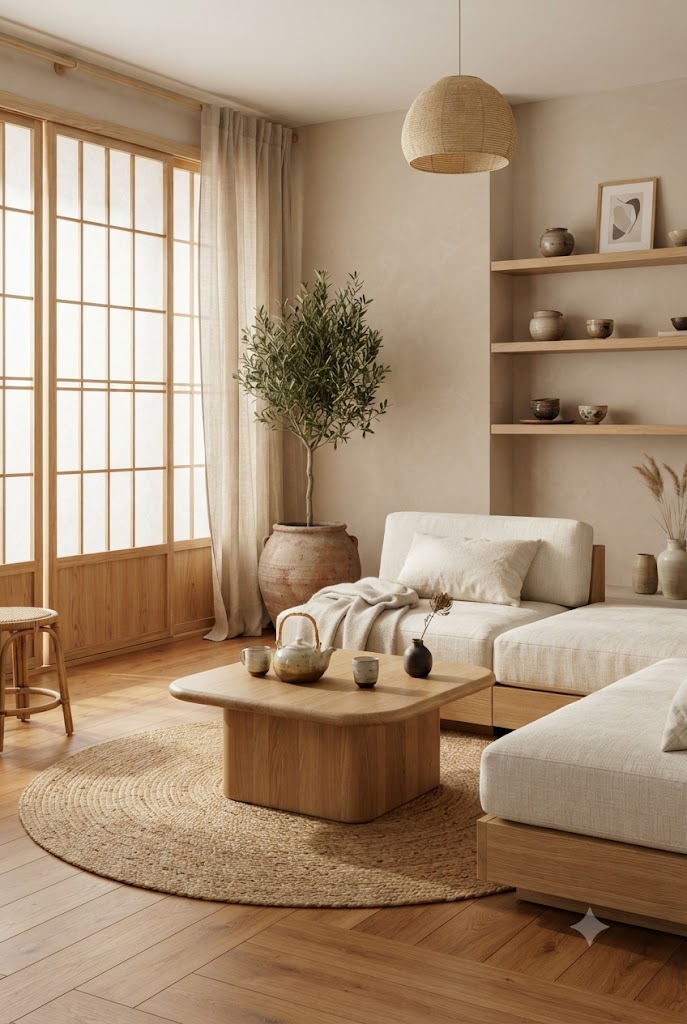
Japandi interiors emphasize organic materials to strengthen the connection with nature. Focus on light woods like oak or bamboo, linen and cotton textiles, stone, handmade ceramics, and woven elements that bring texture and warmth without clutter.

4. Embrace Minimalism with Purpose
Clutter is the enemy of Zen. In Japandi interiors, every item should have a function or bring joy. Choose multi-functional furniture, hide storage, and practice the “less is more” rule. The goal is to create open, breathable spaces that feel balanced.

5. Invest in Functional & Timeless Furniture
Opt for furniture with clean lines and low profiles. Think Scandinavian-style sofas in natural fabrics, low wooden coffee tables, Japanese floor cushions, and minimalist storage units. Always choose quality over quantity.
6. Bring in Natural Light
Japandi homes thrive in soft, natural light. Use sheer curtains, light-filtering bamboo blinds, and rice paper lamps to enhance the calm, airy feel of your space.
7. Add Zen-Inspired Greenery
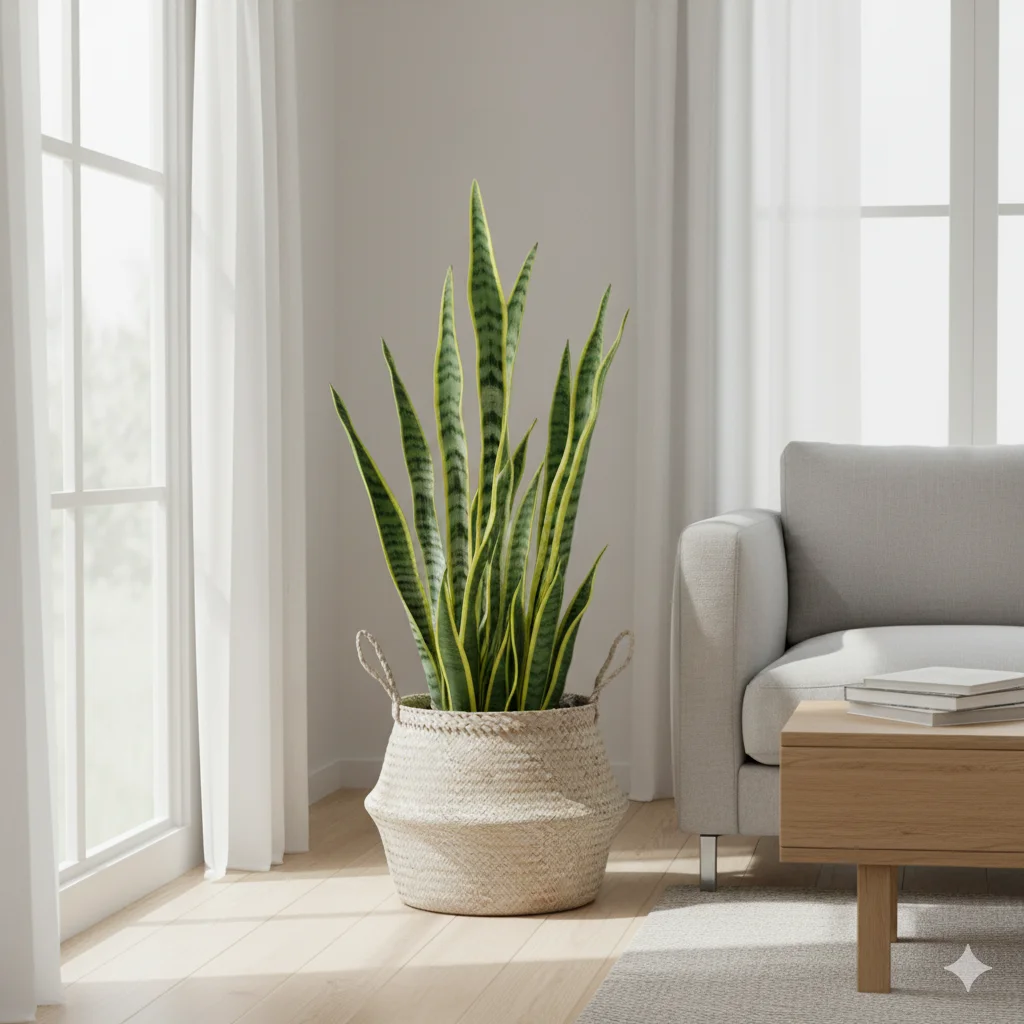
Plants bring life to a Japandi interior. Choose minimal, sculptural greenery such as:
- Snake plant
- ZZ plant
- Bonsai or Japanese maple
- Fiddle leaf fig
- Bamboo in simple vases
8. Curate with Meaningful Decor
Japandi decor is always intentional. Instead of cluttering shelves, include:
- A single ceramic vase
- Wabi-sabi pottery
- Wall art with calligraphy or nature motifs
- Linen throws or minimalist candle holders
Keep tones muted and forms organic to reflect harmony and nature.

9. Design with Flow and Function
Layout is essential in Japandi style interiors. Spaces should be open, symmetrical, and balanced. Define zones in open-plan areas and remove obstacles that interrupt flow. Every space should feel calm and cohesive.

10. Japandi Bedroom Styling Tips
- Platform or futon-style bed
- Linen bedding in soft, earthy tones
- Shoji screens or sliding doors
- Minimalist side table with soft lighting


11. Japandi Living Room Styling Tips:
- Low, clean-lined seating
- Neutral area rug with texture
- One statement art piece
- Layered lighting for ambiance

12. Japandi Kitchen Styling Ideas
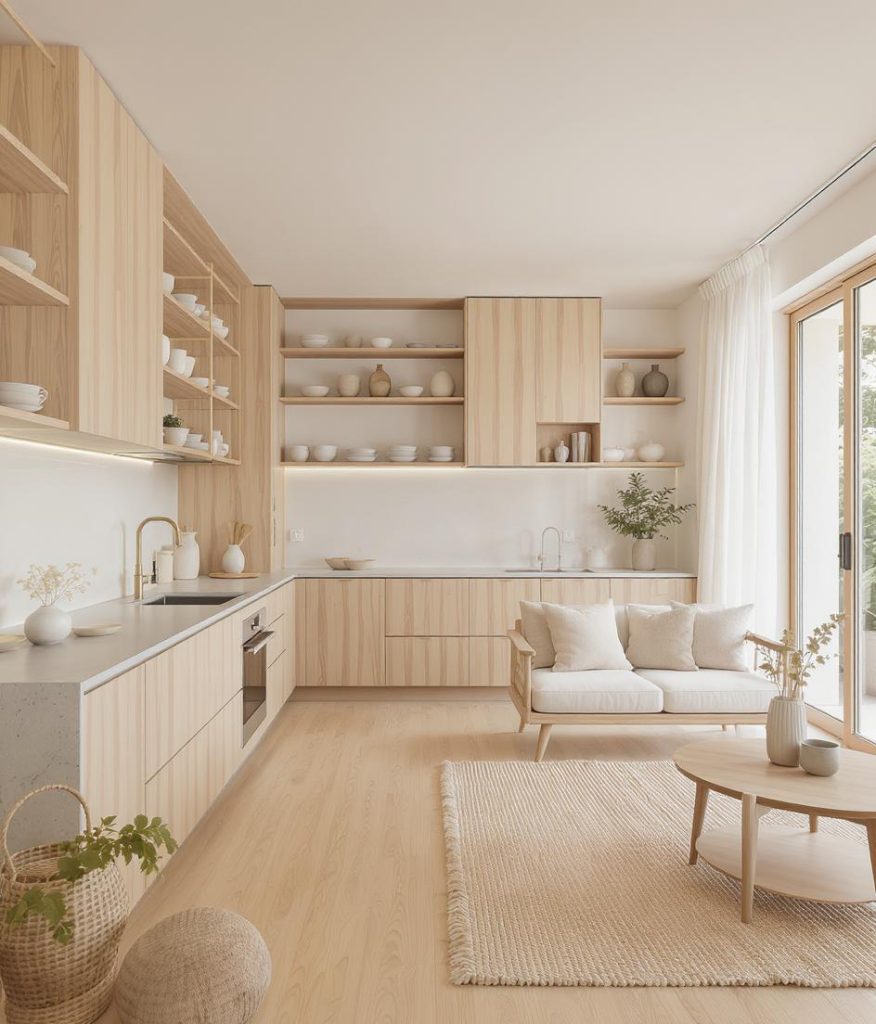
Even in the kitchen, Japandi design values minimalism and mindfulness. Keep the countertops clear, use open shelving for handmade ceramics or matte dinnerware, and choose cabinetry with clean wood finishes. Opt for natural stone countertops, and add small details like bamboo trays or a linen runner to bring warmth without visual clutter.

13. Japandi Entryway & Hallway Design
Your entryway sets the tone for a tranquil home. Create a calm and welcoming entry with a wooden bench, a mirror with clean lines, and a few well-placed baskets or hooks for organization. Keep the hallway neutral and airy with light-toned walls and discreet storage.

14. Japandi Reading Nook Design:

What I Learned When Decorating in Japandi Style
One of the biggest lessons many homeowners discover is that Japandi isn’t about making a room feel empty—it’s about making every piece feel intentional. Before buying new décor, try removing a few accessories from the room first. You’ll often notice that the furniture, natural light, and textures become the focal points without spending any money.
A simple wooden tray, a handmade ceramic vase, and one healthy plant usually create a stronger visual impact than several decorative accessories competing for attention.

Japandi vs. Scandinavian vs. Minimalist Design
| Feature | Japandi | Scandinavian | Minimalist |
|---|---|---|---|
| Color Palette | Warm earthy neutrals | Light whites and soft grays | Mainly monochrome |
| Furniture | Low-profile wood furniture | Functional modern furniture | Simple geometric forms |
| Decor | Handcrafted ceramics and natural materials | Cozy accessories and textiles | Very limited accessories |
| Overall Feeling | Peaceful and balanced | Warm and welcoming | Clean and uncluttered |
Creating a Japandi Home on Any Budget
You don’t need to replace every piece of furniture to achieve a Japandi look. Start with the biggest visual elements first.
- Replace colorful cushions with linen covers.
- Add one large indoor plant instead of several small accessories.
- Swap shiny décor for matte ceramic pieces.
- Choose natural woven baskets for storage.
- Use warm LED lighting to soften the room.
Making a few intentional updates often creates a stronger Japandi feel than buying an entirely new furniture set.
Common Japandi Decorating Mistakes to Avoid
- Using too many decorative accessories.
- Mixing bright neon colors with neutral palettes.
- Choosing glossy finishes instead of natural textures.
- Buying furniture that is oversized for the room.
- Ignoring natural light by using heavy curtains.
- Adding too many different wood tones without balance.
The 5 Styling Principles of Japandi Design
- Choose quality over quantity.
- Let natural materials become the main decoration.
- Create visual balance instead of symmetry.
- Leave empty space to allow the room to breathe.
- Decorate with pieces that are both beautiful and functional.
Refreshing Your Japandi Home Through the Seasons
One of the strengths of Japandi design is its timeless foundation. Instead of completely redecorating each season, make subtle updates.
- Spring: Fresh cherry blossom branches and light linen fabrics.
- Summer: Woven baskets, bamboo accessories, and airy cotton textiles.
- Autumn: Warm terracotta ceramics, dried grasses, and soft wool throws.
- Winter: Layer textured blankets, candles, and warm ambient lighting.

Frequently Asked Questions About Japandi Style
What is the main difference between Japandi and Scandinavian styles?
Scandinavian design leans more toward coziness and functional living, while Japanese design emphasizes natural elements and wabi-sabi aesthetics. Japandi combines both for a balanced, intentional style.
Can Japandi style work in small spaces?
Absolutely. The minimalist nature of Japandi is ideal for small apartments or studios. Use multi-purpose furniture and open layouts to maintain flow and function.
What are the best colors for Japandi interiors?
Stick with earth tones—creamy whites, sand, taupe, muted greens, and charcoal—with occasional contrast from black or natural wood tones.
Start Your Japandi Journey Today
Whether you’re updating one room or designing a whole home, Japandi interior design brings balance and beauty to everyday living. Let us know in the comments which space you’re styling first—or tag us on Pinterest with your Zen-inspired setup!
If you’re considering this look for your living room, here’s why now is the perfect time to embrace it. Japandi Living Room Ideas: Zen Minimalism with Scandinavian Coziness

Final Thoughts: Creating Your Japandi Zen Home
Japandi interior design is more than just a look—it’s a lifestyle rooted in intentional living, mindfulness, and beauty through simplicity. By blending Scandinavian functionality with Japanese elegance, you can create a space that is peaceful, purposeful, and timeless.
Looking for even more inspiration? Browse our interior design trends to discover seasonal styles, color palettes, and decorating ideas.
Related Posts:
- Boho Chic Living Room Ideas
- Upcycled Home Decor Ideas & Tips: Turn Everyday Items into Stylish DIY Decor