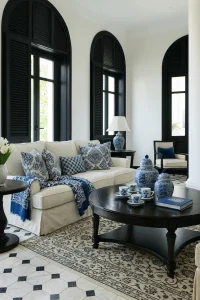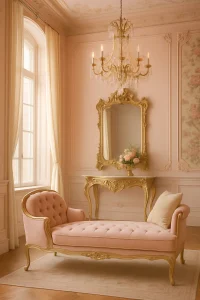
Colonial Style Interior Design: Timeless Elegance for Your Home
Colonial style interior design has stood the test of time, offering a perfect blend of tradition, craftsmanship, and understated sophistication. Rooted in the architectural influences of the 17th and 18th centuries, this design style is admired for its symmetry, classic furniture, and cozy yet refined atmosphere. Today, homeowners and interior enthusiasts are embracing Colonial style interiors for their ability to create spaces that feel both historic and timelessly stylish.
If you’re looking to bring a sense of heritage and charm into your home, this guide will walk you through the key elements of Colonial interior design, decorating tips, and modern adaptations.
Table of Contents
What Is Colonial Style Interior Design?
Colonial style interior design originated during America’s colonial period, heavily influenced by European settlers, particularly English, Dutch, and Spanish. It’s characterized by clean lines, wooden furniture, muted color palettes, and balanced symmetry. The style reflects practicality combined with elegance, creating interiors that feel welcoming yet sophisticated.
This design approach remains popular today because it allows homeowners to mix history with modern comfort. Whether you live in a historic house or a contemporary build, Colonial interiors can be adapted to suit modern lifestyles without losing their old-world charm.
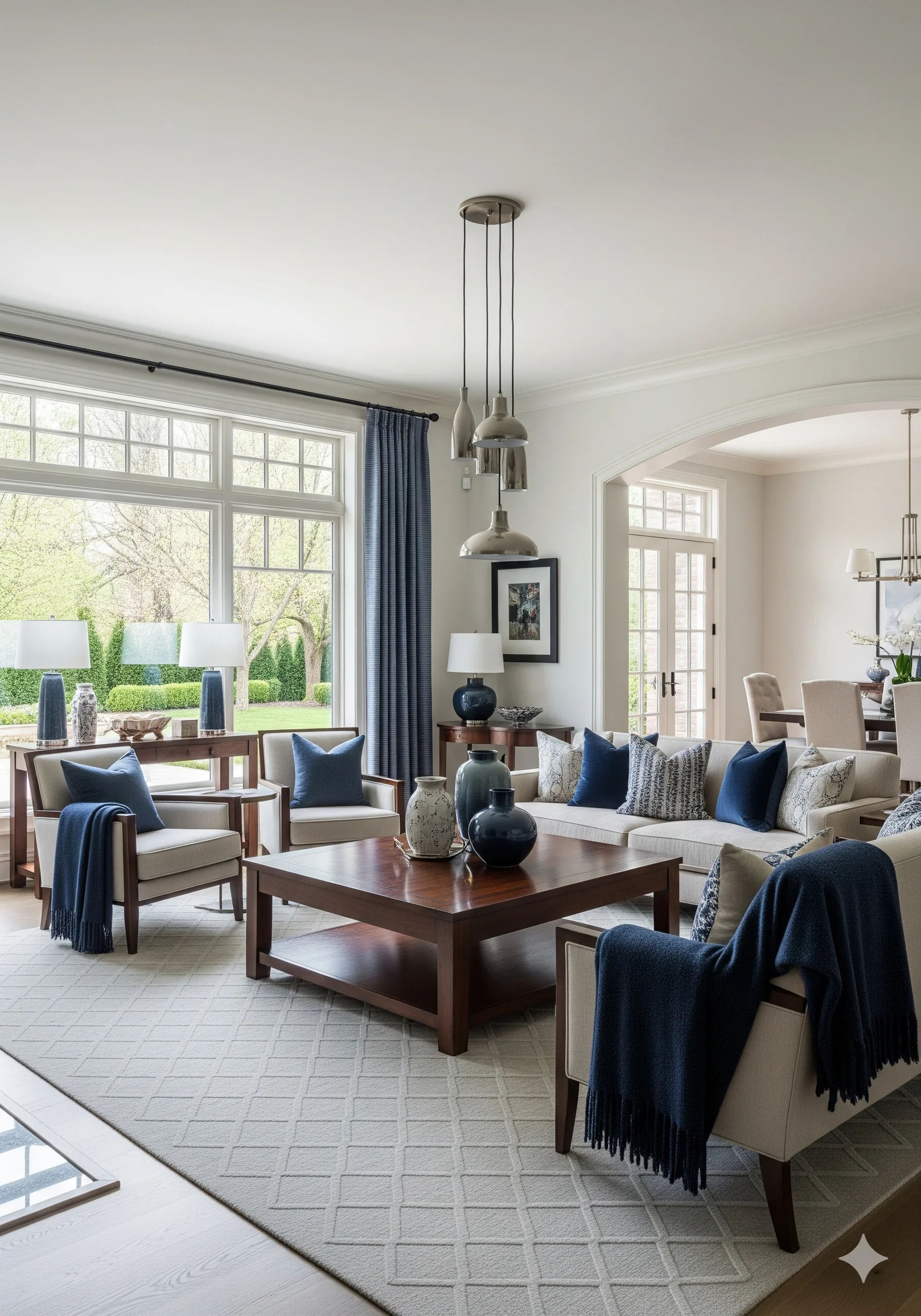
Key Features of Colonial Style Interiors
To capture the authentic Colonial look, focus on the following signature features:
1. Classic Symmetry
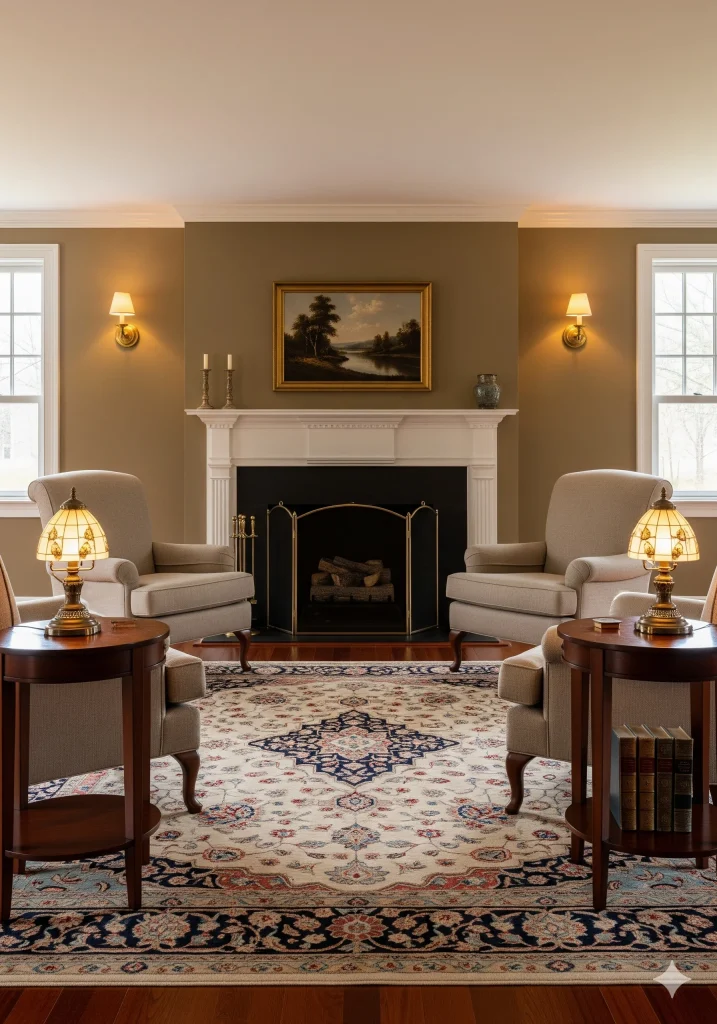
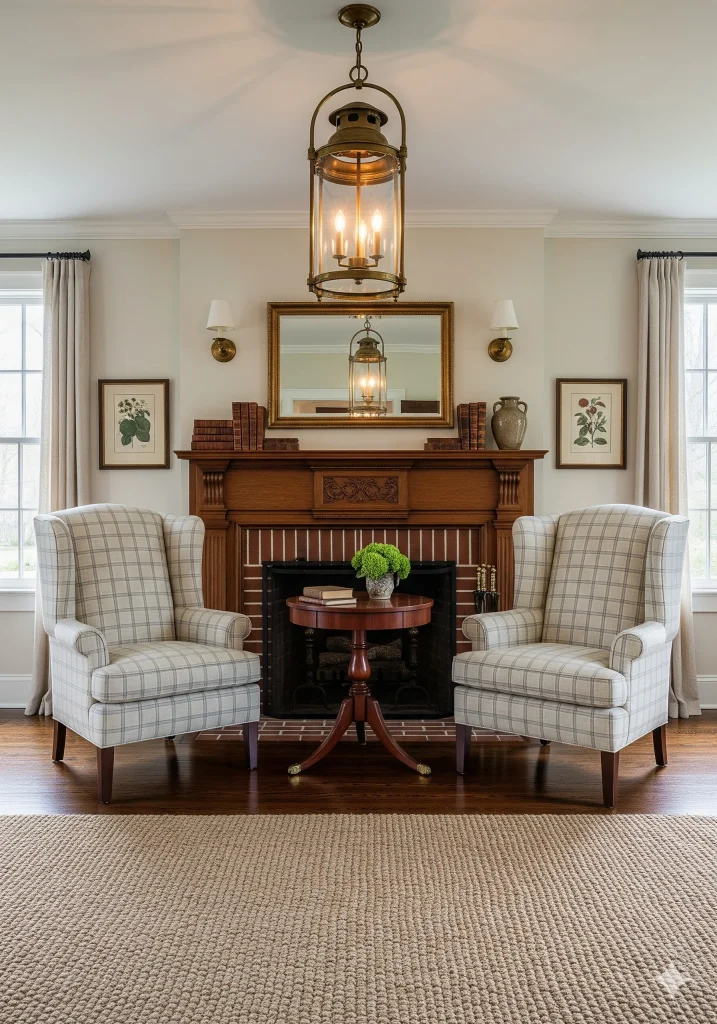
Colonial homes and interiors thrive on balance. Furniture is often arranged in pairs—two armchairs flanking a fireplace, matching side tables, or evenly spaced wall sconces. This symmetry creates a sense of order and calm.
2. Rich Wooden Furniture
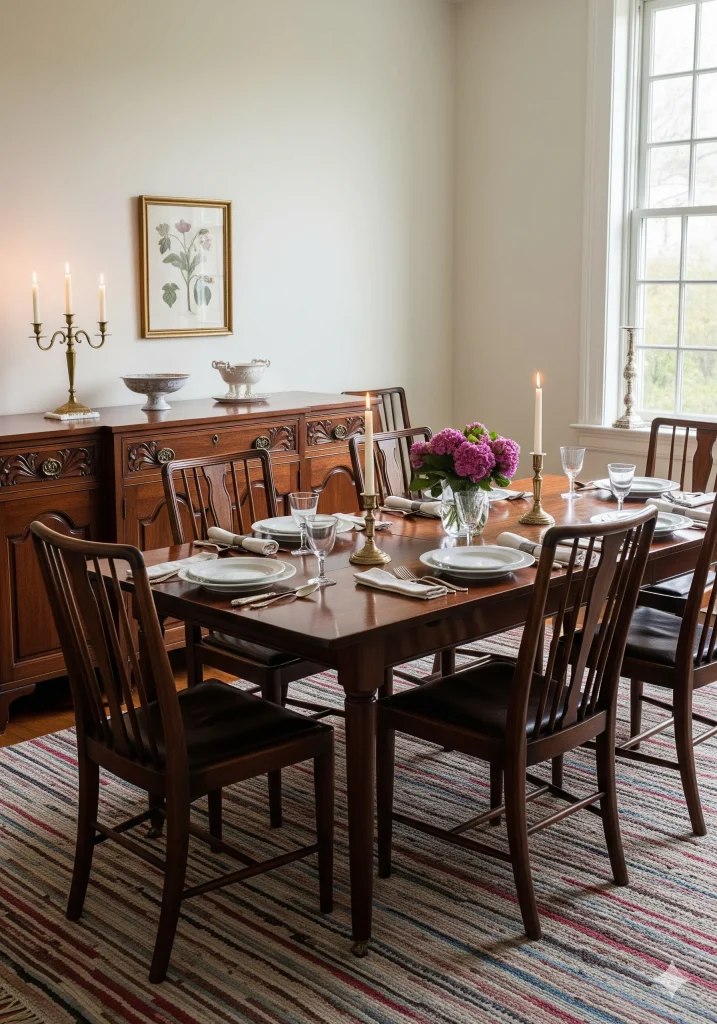
Furniture is the heart of Colonial design. Solid hardwoods such as mahogany, walnut, cherry, and oak dominate the style. Expect to see carved four-poster beds, spindle chairs, and dining tables with detailed craftsmanship.
3. Neutral & Earthy Color Palettes
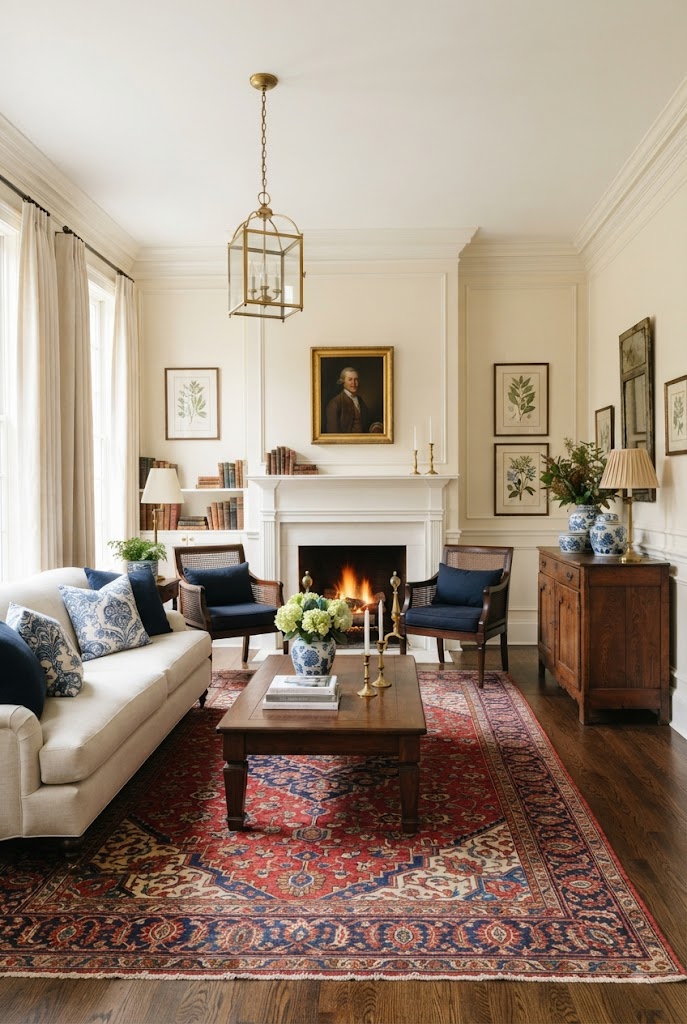
The Colonial color scheme leans toward muted shades inspired by natural pigments—warm creams, soft whites, muted blues, earthy browns, and deep greens. These tones create a cozy, inviting environment while emphasizing the natural beauty of wooden accents.

4. Fireplaces as Focal Points
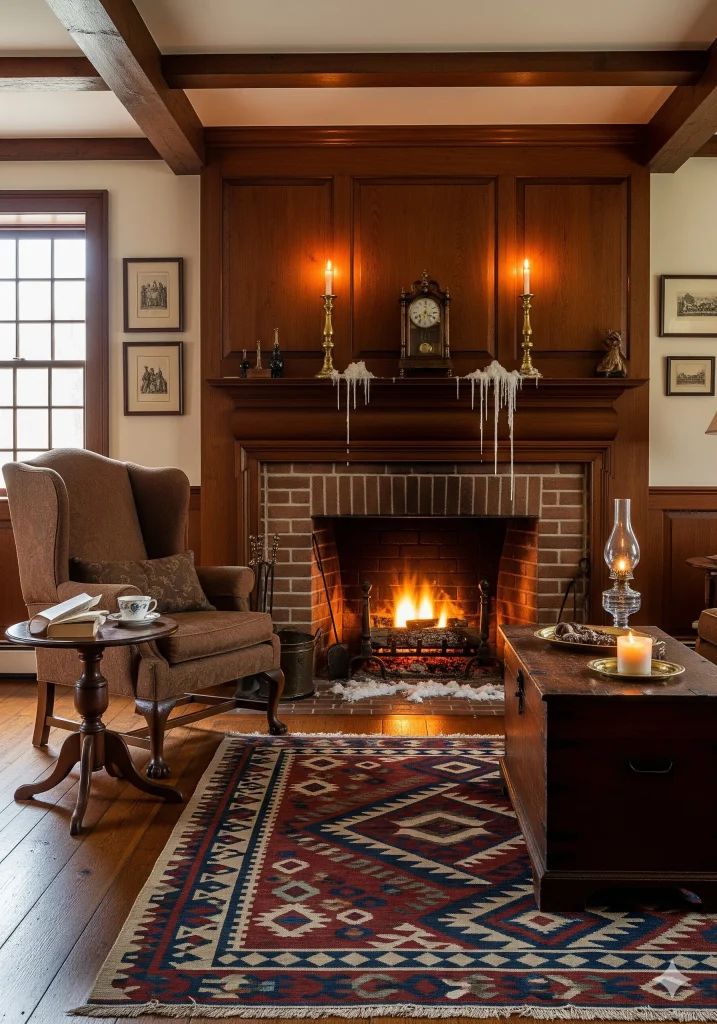
In traditional Colonial homes, fireplaces were both functional and decorative. Today, they remain a defining feature, often surrounded by wood paneling, brick, or stone. A Colonial living room feels incomplete without a central fireplace anchoring the space.
5. Decorative Accents & Textiles
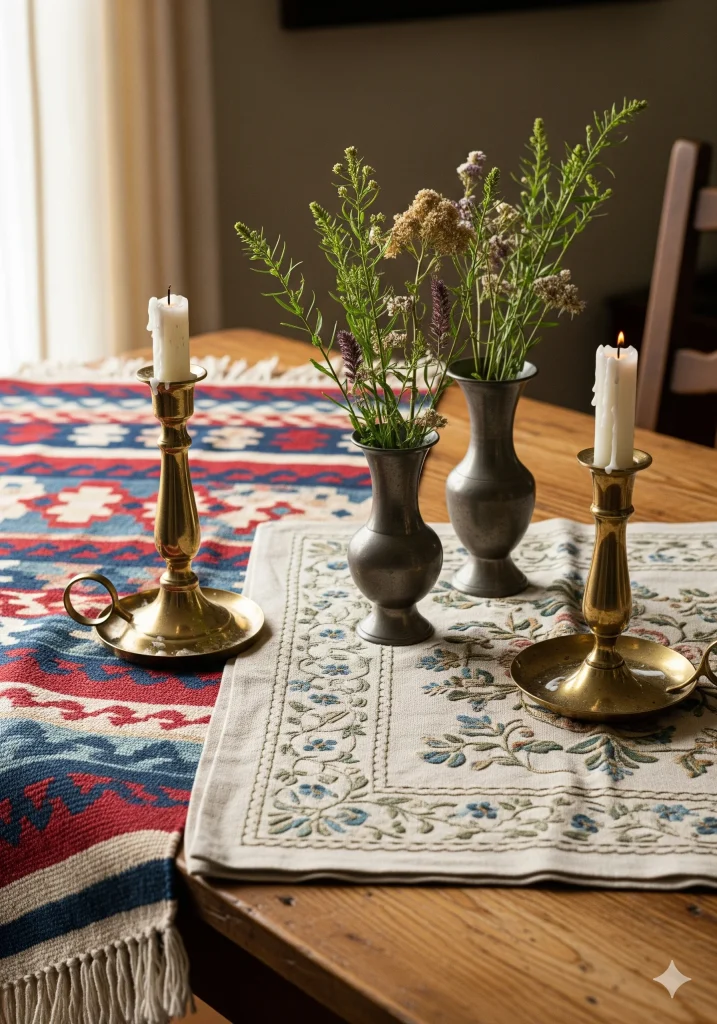
Woven rugs, embroidered fabrics, and candle-style lighting are common decorative touches. Brass fixtures, pewter accessories, and lanterns help capture the authentic Colonial atmosphere.
How to Incorporate Colonial Style Into Your Home
Adopting Colonial interior design doesn’t mean your home has to look like a museum. Here are some practical ways to bring this historic style into modern living:
- Invest in Quality Furniture: Choose solid wood pieces with traditional designs. Look for spindle-back chairs, farmhouse tables, or canopy beds that echo Colonial craftsmanship.
- Keep Walls Neutral: Paint walls in soft, natural tones like off-white, sage, or muted gray. This creates the perfect backdrop for wooden accents.
- Add Textural Warmth: Use area rugs with traditional patterns, linen drapes, and cotton upholstery to soften the look.
- Incorporate Antiques or Replicas: A vintage chest, writing desk, or candleholder can immediately add Colonial charm.
- Balance Old with New: Pair Colonial furniture with modern lighting or contemporary art to give your space a fresh update without losing character.
Modern Colonial Style Interior Design
Today’s Colonial interiors often blend traditional features with modern updates. For example:
- Open Layouts: Unlike early Colonial homes with smaller rooms, modern interpretations embrace open-plan living while maintaining symmetrical arrangements.
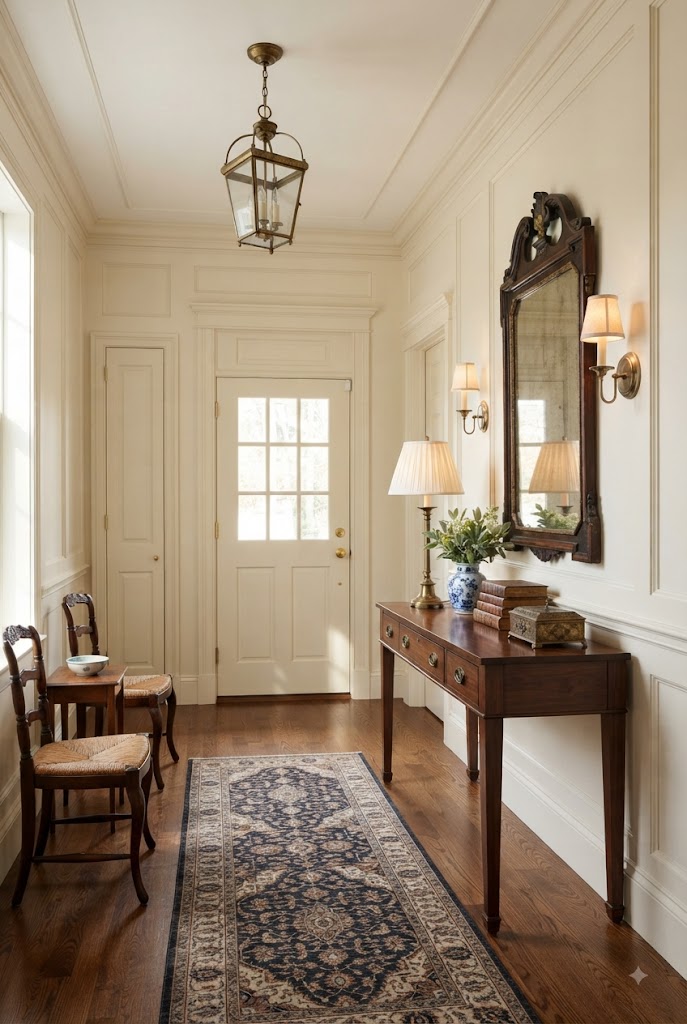
- Light Fixtures: Instead of solely using candles or lanterns, homeowners now opt for chandeliers or pendant lights inspired by Colonial forms.
- Updated Color Accents: While neutrals dominate, touches of bold navy, deep red, or mustard can add contemporary flair.
This modern take allows homeowners to enjoy the warmth of Colonial interiors without feeling outdated.
Why Choose Colonial Style Interiors?
- Timeless Appeal: Colonial style never goes out of fashion, making it a long-term investment for your home.
- Versatility: It works beautifully in both historic homes and newer builds.
- Comfort & Elegance: The balance between practicality and refinement creates a welcoming atmosphere.
- Durability: Solid wood furniture and natural materials ensure lasting quality.
If you love interiors that feel grounded in history yet adaptable to modern life, Colonial design is the perfect choice.
Final Thoughts
Colonial style interior design is more than just a nod to the past—it’s a way of creating timeless spaces that radiate comfort, symmetry, and elegance. By incorporating wooden furniture, earthy colors, and balanced layouts, you can transform your home into a classic yet contemporary retreat.
Whether you want to fully embrace traditional Colonial interiors or simply borrow a few design elements, this style offers endless inspiration for a home that feels both historic and timeless.
Looking for more decorating inspiration? Browse our Style collection for timeless interiors and beautiful design ideas.
Colonial Style on a Real Budget
Colonial style does not depend on spending heavily, because its character comes from shape, material, and restraint more than from price. Secondhand and vintage pieces suit the look naturally, since solid wood furniture with simple turned legs and honest construction was made to last and often costs less used than new flat-packed equivalents. One strong piece, such as a sturdy table or a well-made chair, anchors a room better than several lightweight imitations.
Textiles and paint carry much of the atmosphere for very little outlay. A warm neutral wall color, natural fiber curtains, and a simple woven rug echo the palette of the period without any single expensive purchase. Brass-look hardware, framed prints with wide mounts, and symmetrical arrangements of objects you already own all cost little, because the colonial effect often comes from placement and proportion rather than from the objects themselves.
Colonial Touches for Small Spaces
Small rooms suit colonial style better than many people expect, because the look favors order, symmetry, and a limited palette, all of which make a compact space feel calm rather than crowded. Choose fewer, well-proportioned pieces over many small ones, keep the color scheme to a few warm neutrals, and let one focal point, such as a mirror, a framed print, or a single wooden chair, carry the room.
Vertical space does much of the work. Tall, narrow bookcases, high-hung curtains, and pictures hung in a neat symmetrical pair draw the eye upward and suggest height. Natural textures add the period warmth without bulk: a woven basket, a linen cushion, a small brass lamp. Keep surfaces mostly clear, because colonial rooms read as composed and uncluttered, and in a small space that restraint is what keeps the style feeling generous rather than cramped.
Common Colonial Styling Mistakes to Avoid
The most common mistake is treating colonial style as a theme rather than a way of furnishing, filling a room with reproduction antiques until it feels like a museum or a film set. The look works when the pieces are useful, well made, and given room to breathe, and it falters when every surface carries an ornament. A related error is mixing too many dark woods at once, which turns the palette muddy and heavy.
Other pitfalls are mostly about restraint. Plastic or glossy finishes fight the honest materials the style depends on, so matte and natural surfaces nearly always sit better. Perfectly matched furniture sets flatten the character that collected, individual pieces create, and harsh cool lighting undoes the warmth the palette is built on. Finally, avoid pushing every piece against the walls: colonial rooms are arranged in balanced groupings, and a little symmetry does more for the style than any single purchase.
Looking After Wood, Brass and Natural Textiles
Colonial rooms lean on natural materials, and those materials ask for gentle, regular care rather than occasional rescue. Solid wood furniture stays at its best with dusting, protection from direct heat and strong sun, and an occasional feed with wax or oil suited to its finish. Water rings and spills are best wiped promptly, because finishes mark far more easily than the timber beneath them.
Brass needs little beyond a soft cloth for everyday shine; heavier polishing is a matter of taste, since many people value the soft patina that age brings. Natural textiles such as linen, cotton, and wool benefit from airing, gentle washing, and storage away from damp, and woven rugs keep their texture with regular shaking and turning so they wear evenly. Cared for this way, the materials deepen in character instead of simply wearing out, which is much of the point of the style.
Related
- Coastal Cottage Design
- Japandi Interior Design: How to Achieve the Perfect Zen Style
- Rococo Revival: Incorporating Whimsical and Fantastical Décor
- Step Into the Castlecore Aesthetic: Medieval Magic at Home
- 20 Victorian Farmhouse Décor Elements to Bring Vintage Elegance to Your Home!
- Set Sail at Home: Nautical Living Room Décor Inspired by the Sea