The Best Bullet Journal Supplies & Accessories You’ll Actually Use
Bullet journaling can be a beautiful, calming, and highly functional habit—but only if you have tools that make you want to open that page. You don’t need every fancy pen or accessory under the sun. What you do need are reliable, satisfying best bullet journal supplies that fit your style and help you stick with it. Here’s a curated list of the best supplies & accessories that many bujo-ers actually reach for—and keep using.
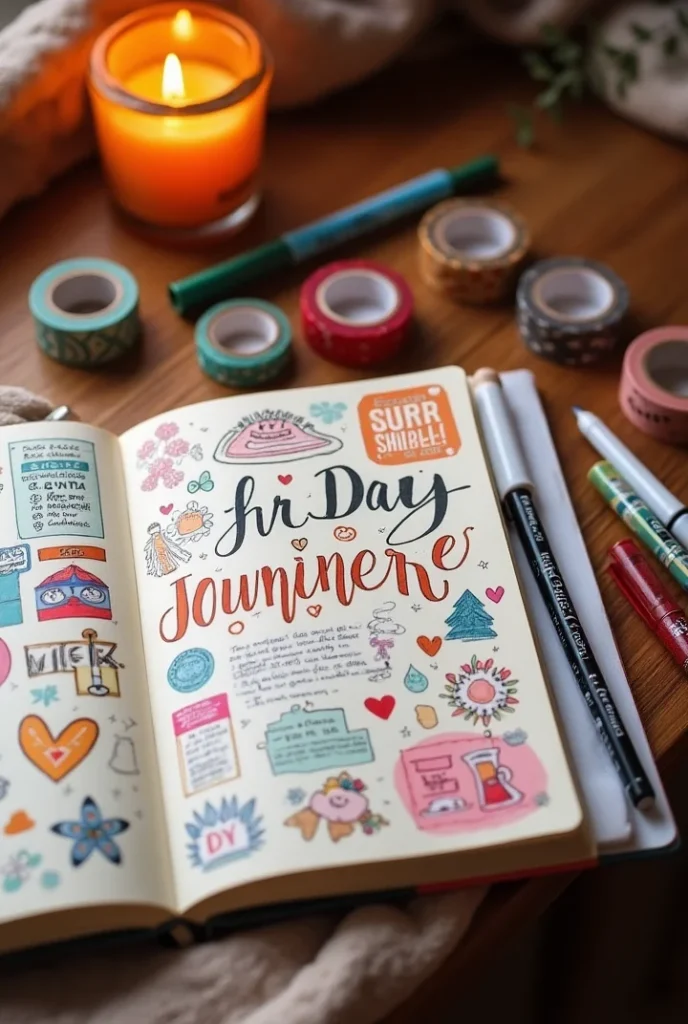
What to Think about Before Buying Bujo Supplies
Before you stock up, consider:
- Paper quality / thickness (GSM) — prevents bleed-through, feathering, ghosting.
- Size of notebook — portability vs space: A5 is popular; smaller sizes travel better.
- Grid style — dotted, grid, blank, lined. Dots give structure without being too rigid.
- Ink type — gel, rollerball, pigment, brush pens; dryness & smudge matters.
- What you’ll use regularly vs what’s just nice looks — avoid tools you’ll never pick up.
Must-Have Basics Bullet Journal Supplies & Accessories
These are foundational—your core tools you’ll use almost every session.
| Supply | Why It’s Useful | Key Features / What to Look For |
|---|---|---|
| Notebook / Journal | Your base. If the notebook is frustrating (paper too thin, binding fragile), you’ll avoid it. | Thick paper (80–120 gsm or more), dotted/grid format, durable cover, good binding, lay-flat spine. Brands like Leuchtturm1917, Archer & Olive, etc. |
| Black Pen (Fineliner / Pigment Liner / Gel Pen) | For writing, headers, everyday tasks. Clean, crisp lines help with clarity. | Water- or fade-resistant ink, quick-drying, fine tip (0.3–0.5 mm). Micron, Staedtler, Uni-ball etc. |
| Pencil + Eraser | Good for sketching layouts, drafts, planning margins, etc. Mistakes are inevitable. | Mechanical pencil or regular one (sharpens well), soft eraser that doesn’t smudge. |
| Ruler | For clean lines, headers, boxes, trackers. | At least 15 cm / 6 in., preferably with cork or non-slip backing so it doesn’t slide. |
| Highlighters / Mildliners / Dual-Tip Markers | To mark important tasks, color code, decorate. Gives visual hierarchy. | Test whether they bleed through your notebook paper; go for soft/muted tones if bright is too intense. Mildliners are a favorite. |
Extras That Many Bujo-Users Love
These aren’t strictly essential, but help add style, ease, or longevity.
- Brush pens / Calligraphy Pens: For headers, decorative elements. Brands like Tombow Dual Brush, Fudenosuke are well-loved.
- White Gel Pen / Correction / Opaque Ink Pen: For corrections, highlights, or writing on dark backgrounds.
- Stencils / Templates / Shape-makers: Circles, headers, habit trackers become so much easier and neater.
- Washi Tape & Stickers: For decoration, dividing sections, or hiding mistakes. But try not to hoard—use the ones you love.
- Watercolour Pencils / Paints (if you like art): Adds flair. Be sure the paper can handle it (thickness, absorbency).
- Portable Pencil Case / Pouch: Keeps pens, rulers etc together and avoids damage. Useful if you carry your bujo around.
Supplies to Use Sparingly (But Keep Around)
These are good, but can overwhelm or become clutter if over-collected:
- Too many colors / markers → decision fatigue. Best to have a palette you love, not every color under the sun.
- Bulk sticker / washi tape collections that rarely get used. If it doesn’t spark joy or inspire you to use it, it’s just junk.
- Heavy art supplies (e.g. full watercolor sets) unless you really use them. They add weight, expense, and sometimes just aren’t worth the extra work.
How to Build a “Useable” Bujo Kit
Here’s how to gradually build a kit you’ll actually use.
- Start with the basics: notebook + good black pen + pencil + ruler + basic highlighters.
- Try each extra once: borrow or get small sets of brush pens, white pen, stickers. See if you use them.
- Curate: every few months, go through your supplies. Remove what you didn’t use. Maybe trade, give away, or stop buying things that sit unused.
- Organize your supplies: having everything visible and easy to grab means you’re more likely to use them. Use a pouch or desk organizer.
My Recommended Bujo Supplies List (What I Use / What I’d Buy Again)
Here are the supplies that many people I know — myself included — come back to again and again. These are solid picks.
- Notebook: Leuchtturm1917 A5 dotted, or Archer & Olive dot-grid (good paper weight).
- Black Pen: Sakura Pigma Micron set, or Staedtler pigment liners.
- Colored Pens / Highlighters: Zebra Mildliner, Tombow Dual Brush set.
- Brush Pen: Tombow Fudenosuke soft/hard tip.
- White Gel Pen (opaque) for corrections / accents.
- Ruler, pencil, eraser.
- Washi Tape: 1-2 rolls in designs you love.
- Stickers: just a small stash you actually use.
Here are some of my affiliate products — if you buy them, I may earn a small commission:
- Hahnemuehle Travel Journal 140gsm 62 Sheets 9x14cm Portrait £12.50
- Zig Memory System Writer x4 colours
- ZIG Fudebiyori x8 Metallic 8 Colour Set
- Pilot V7 5Pk Black
- Zig Memory Scroll Brush x8 Set Scroll & Brush £25.35
- Ecoline Brush pen Set 10 £14.65
- Frixion Clicker Gel Pen 7 Pack £16.99
- Washi Tapes
- Ruler Dylusions Journaling Block £11.95
- Seasons Sticker Tablet £11.15
- Create Burren Box Easel _ storage box
- Elements Complete Mixed Media Box Easel Set £89.99
- DecoArt Dazzling Metallic Acrylic Paint x18 – Value Pack £37.30
- DecoArt – Americana Brights Acrylic Paint x16 – Value Pack £27.69
Where to Buy & What to Budget
- Local stationery stores are great to try pens first (see ink, flow, tip size).
- Online stores / Etsy: for specialty stuff (unique stickers, washi, artisanal notebooks).
- Price ranges: You can spend minimal — everything above can be done for modest cost. But quality often adds up (better paper, better ink). Decide what you’ll use often and invest there.
Final Thoughts
Bullet journaling isn’t about perfection. It’s about utility + creativity. Supplies should serve the journal, not the other way around. If you pick a few favorite, reliable tools—ones that feel good to use—you’ll find yourself opening your journal more, making it part of your routine rather than a project you avoid.
What matters most: consistency, clarity of what you want to track, and enjoying the process. All the fancy accessories are great icing ‒ but only icing. The cake is your intent and your writing.
Building Your Kit Gradually on a Budget
The most budget-friendly bullet journal kit is the one built slowly. Start with a single notebook and one pen you enjoy writing with, and use only those for the first month. The pages will quickly show what you actually miss: maybe a ruler for straight lines, or a second pen for headings. Those real needs, not starter-kit lists, should guide the next purchase.
Add one item at a time and live with it for a few weeks before buying anything else. A pencil case, a roll of washi tape, or a pack of sticky notes each earn their place when they solve a problem you have already met. A short wish list on the last page of the journal helps separate passing wants from genuine needs. This pace keeps costs low, avoids drawers of unused supplies, and means every tool in the kit is there for a reason.
Storing and Organizing Your Supplies
A small kit stays useful only if everything has a home. Keep the everyday tools together in one pencil case or pouch: the pens you reach for daily, a ruler, and a glue stick or tape. Supplies used less often can live in a single drawer, box, or basket nearby, so the whole collection stays visible at a glance. Loose papers, receipts, and stickers behave better in one envelope or folder tucked inside the back cover of the journal.
Review the kit every few months. Dried-out pens, cracked tape, and notebooks you will never finish only add clutter, so pass spares on to someone who will use them. Storing washi tapes upright in a small jar or tin keeps the patterns easy to see, and a simple label on each box saves hunting later. When storage matches the size of the kit, putting things away takes seconds.
Common Beginner Mistakes to Avoid
The most common beginner mistake is buying a full kit before writing a single page. Supplies feel exciting in the shop, but without a few weeks of journaling you cannot know which tools your style needs. Start plainly, learn your habits first, and let the kit follow the practice rather than the other way around.
Other frequent slips are simpler. Skipping the index page makes old entries hard to find, so fill it in as you go. Trying to copy elaborate spreads from social feeds often leads to pages that take longer to decorate than to use; neat and plain beats beautiful and abandoned. Finally, give a layout a fair trial of several days before judging it, because most systems feel awkward for the first week.