Thai Spa Garden: Relaxation & Zen Energy Inspired by Traditional Thai Wellness
A Thai spa garden is not just a beautiful outdoor space — it is a living wellness sanctuary designed to restore balance between body, mind, and nature. Rooted in ancient Thai healing traditions, Buddhist philosophy, and tropical ecology, these gardens are created to slow the breath, quiet the mind, and encourage deep relaxation.
Unlike decorative gardens that focus on visual impact alone, a Thai spa garden is experienced through all five senses. The sound of trickling water, the scent of jasmine at dusk, warm stone under bare feet, filtered sunlight through palms, and the gentle presence of spiritual symbols all work together to create a calming, immersive environment.
Whether you’re designing a backyard retreat, a meditation garden, or a spa-inspired outdoor corner, Thai spa garden principles can transform your space into a place of everyday ritual and restoration.
The Philosophy Behind a Thai Spa Garden

Thai spa gardens are deeply influenced by Thai Buddhism, Ayurvedic concepts, and traditional Thai massage culture. The goal is harmony — not symmetry, not perfection, but balance.
Key philosophical ideas include:
- Flow over form: Natural movement of water, air, and pathways
- Grounding energy: Earthy materials that connect the body to nature
- Mindful pauses: Spaces designed for stillness rather than activity
- Respect for nature: Plants are allowed to grow organically, not rigidly trimmed
This approach makes Thai spa gardens feel soothing and human, rather than styled or staged.
Fragrant & Healing Plants That Define Thai Spa Gardens

Scent is one of the most powerful elements in a Thai spa garden. Many traditional plants are chosen not just for beauty, but for their therapeutic and symbolic properties.
Jasmine (Dok Mali)
Jasmine is sacred in Thai culture and widely used in spas and temples. Its soft white blooms release a calming fragrance in the evening, making it ideal near seating or meditation areas.
Lotus & Water Lilies
Lotus flowers symbolize purity and spiritual awakening. Even a small pond or bowl with floating lotus plants instantly adds authenticity and tranquility.
Orchids
Rather than large floral beds, Thai gardens use orchids sparingly — mounted on trees, placed near shaded walls, or displayed in clay pots for a refined tropical touch.
Lemongrass & Herbal Plants
Lemongrass, kaffir lime, and Thai basil add a subtle herbal aroma and connect the garden to traditional Thai healing rituals.
Design tip: Allow plants to overlap and layer naturally, avoiding clean borders or geometric layouts.
Water Features: The Soul of a Thai Spa Garden

Water is essential in Thai spa garden design because it promotes mental calm and energetic flow.
Popular water elements include:
- Stone fountains with slow, gentle movement
- Reflecting pools that mirror greenery and sky
- Bamboo water spouts that create rhythmic sound
- Small cascading water walls for white-noise tranquility
Water should never feel dramatic or loud. The goal is a soft, continuous presence that encourages slower breathing and mindfulness.
Seating Areas Designed for Stillness, Not Socializing

Unlike outdoor entertaining gardens, Thai spa gardens prioritize restful solitude.
Ideal seating options include:
- Low bamboo loungers with neutral cushions
- Wooden daybeds draped in light cotton fabric
- Raised meditation platforms made of teak or stone
- Floor seating with woven mats and bolsters
Seating is often placed:
- Near water features
- Under partial shade
- Facing greenery rather than open views
This inward-facing layout supports meditation, yoga, breathwork, or Thai massage sessions.
Natural Materials That Create Grounded Energy

Material selection is key to achieving authentic Thai spa garden energy.
Use:
- Teak or reclaimed wood for warmth and durability
- Natural stone for pathways and platforms
- Terracotta and clay pots instead of glazed ceramics
- Bamboo fencing or screens for privacy and softness
Avoid:
- Shiny metals
- Polished concrete
- Synthetic furniture
- Overly modern finishes
The goal is a garden that feels touched by time, not newly installed.
Spiritual & Cultural Accents (Used with Intention)
Decorative accents in a Thai spa garden are symbolic, not ornamental.
Common elements include:
- Buddha statues placed thoughtfully, never as décor clutter
- Stone lanterns for soft evening illumination
- Prayer bowls or bells for gentle sound
- Hand-carved wooden panels with Thai motifs
Design rule: Fewer pieces, placed meaningfully, create deeper impact than many scattered accents.
Lighting for Evening Calm

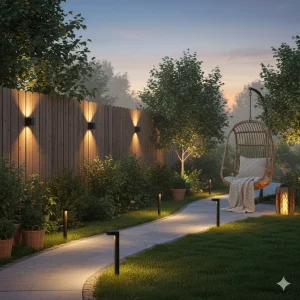
Thai spa gardens are especially magical after sunset. Lighting should be low, warm, and indirect.
Use:
- Solar lanterns tucked into foliage
- Candle niches along pathways
- Soft uplighting on trees or statues
- Floating candles in water bowls
Avoid bright overhead lights — shadows and contrast are part of the calming effect.
Creating a Thai Spa Garden in Small Spaces
You don’t need a large yard to create Thai spa energy.
For patios or balconies:
- Add a tabletop water bowl with floating flowers
- Use potted jasmine or orchids
- Hang bamboo screens for privacy
- Place a meditation cushion and lantern
Even a single corner designed intentionally can function as a personal spa retreat.
Why Thai Spa Gardens Feel So Restorative
What makes Thai spa gardens truly special is their ability to slow time. They invite you to pause, breathe, and reconnect — not just with nature, but with yourself.
In a world of constant stimulation, a Thai spa garden offers:
- Mental clarity
- Emotional calm
- Physical relaxation
- A daily ritual of stillness
It’s not about luxury. It’s about presence.
Simple Seasonal Care for a Thai Spa Garden
A spa garden should feel effortless, and that starts with a care routine that stays ahead of problems. Little, regular attention beats the occasional big overhaul — and it keeps the garden looking serene in every season.
A Gentle Year-Round Routine
Walk the garden once a week in the growing season with pruning shears in hand: deadhead spent blooms, trim bamboo runners, and scoop leaves from water bowls. In autumn, clear fallen foliage from gravel and decking before it stains, and give timber and stone a gentle wash. Winter is for structure work — repairing edging, refreshing mulch, and planning spring planting while the garden rests.
Keep water features running through the cold months if possible; moving water resists freezing and the gentle sound keeps the garden alive in winter. If you do drain a feature, clean it thoroughly first so algae and debris do not bake on. A monthly check of pump filters and a wipe of lantern glass keeps the details working.
Adapting Thai Spa Style to Cooler Climates
The Thai spa mood — stillness, fragrance, natural materials — translates to any climate with a few thoughtful swaps. The feeling matters more than exact botanical accuracy.
Use hardy stand-ins for tropical stars: ornamental grasses give the same swaying movement as bamboo clusters, hardy gingers and cannas deliver exotic foliage through summer, and fragrant plants like jasmine — grown in pots and overwintered indoors — bring the scent. Teak-look composite decking and weathered stone work anywhere, and a simple pergola with a retractable cover extends the season.
Shelter is the real secret: a walled corner or fence blocks wind and creates the enclosed calm a spa garden needs. Group tender plants near south-facing walls where masonry radiates stored warmth, and mulch beds deeply before the first frost. Add a heat source — a fire bowl or patio heater — and the garden becomes a year-round retreat.
Building a Thai Spa Garden on a Budget
Serenity does not require a big spend. The spa look is about restraint, which naturally favors the budget. Spend on structure first — paths, edges, and the seating spot — and let plants and accents arrive over time.
- Start with layout: define the space with gravel or bark paths and simple edging before buying a single plant.
- Hunt secondhand for teak-style benches, stone lanterns, and large pots — a coat of exterior paint unifies mismatched pieces.
- Grow fragrance cheaply: lemongrass, mint, and jasmine are inexpensive and fill the air quickly.
- Make one water feature the focal point — a simple bubbling urn has more impact than scattered small ornaments.
- Add lighting last: solar lanterns and a few well-placed uplights transform the garden after dark for very little.
Buy plants small and let them fill in — patience is the most budget-friendly tool of all, and a garden that grows in over a few seasons feels more natural than one bought fully mature.
Final Thought
A Thai spa garden is more than a trend — it’s a lifestyle rooted in ancient wisdom. By combining tropical plants, water, natural materials, and mindful design, you can create a sanctuary that supports wellness every single day.
If your goal is peace, grounding, and gentle restoration, a Thai spa garden is one of the most meaningful outdoor spaces you can create.
Explore More Exotic Garden Inspiration
If you’re drawn to serene outdoor spaces inspired by global design traditions, you may also love exploring our full guide on 7 Exotic and Tropical Garden Ideas.
This pillar post dives into a range of lush, immersive garden styles from around the world — perfect for discovering new inspiration and finding the exotic garden aesthetic that speaks to your lifestyle and climate.