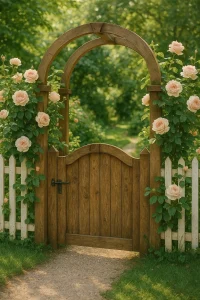
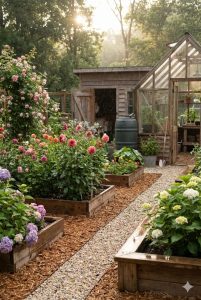
How to Build a DIY Garden Trellis That Will Transform Your Backyard
If you’re looking for a simple yet impactful way to upgrade your outdoor space, a DIY garden trellis is one of the best projects you can take on. Trellises are more than just plant supports — they add structure, charm, and visual height to your garden. Whether you want to create a romantic flower wall, support climbing vegetables, or design a rustic focal point, a backyard trellis can completely transform your landscape.
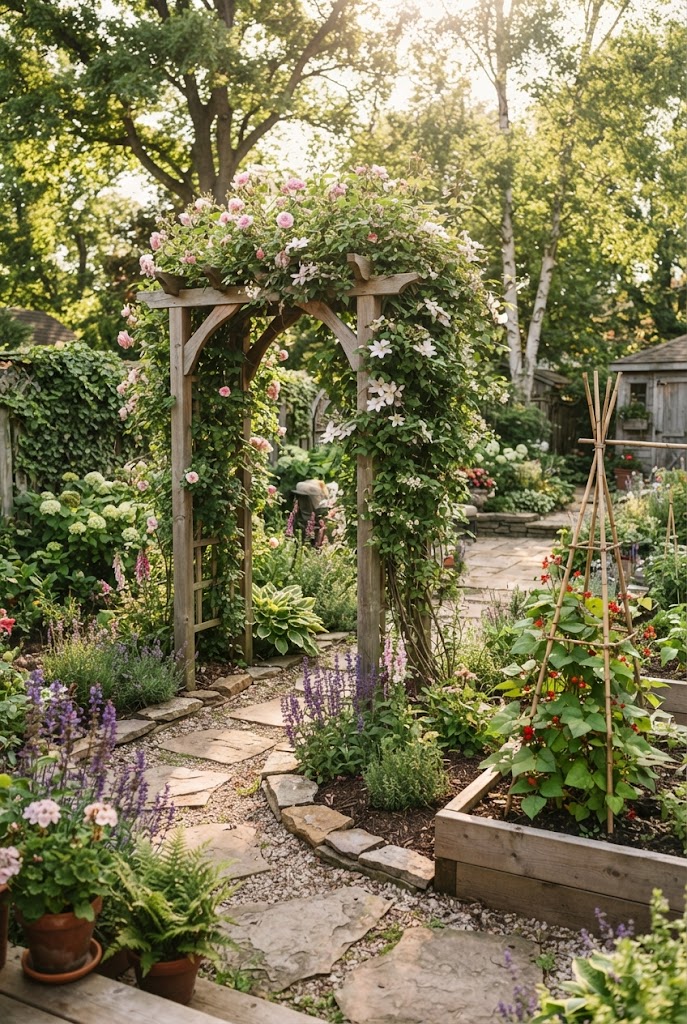
In this guide, we’ll walk through different types of DIY trellis ideas, materials you can use, and step-by-step inspiration to build one that suits your garden style.
Table of Contents
Why Build a DIY Garden Trellis?
A trellis is both functional and decorative. Here are a few reasons why homeowners love incorporating them:
- Supports climbing plants like roses, ivy, beans, cucumbers, and peas.
- Adds vertical space in small gardens, making your yard feel larger.
- Creates privacy screens or natural dividers in your backyard.
- Enhances curb appeal with rustic or modern designs.
- Budget-friendly décor you can build from wood, bamboo, or repurposed materials.
Building your own outdoor trellis means you can customize it to fit your garden’s size, plant needs, and personal style.
Popular Types of DIY Garden Trellises
1. Wooden Lattice Trellis

A classic lattice trellis is a go-to choice for many gardeners. Made from thin wooden strips arranged in a crisscross pattern, it’s ideal for supporting climbing roses, jasmine, or grapevines. You can attach it to a garden wall, fence, or even build it freestanding.
How to build it:
- Cut thin wooden slats to equal lengths.
- Arrange them in a diagonal crisscross design.
- Secure with nails or screws.
- Mount on posts or against a fence.
Best for: This cottage garden trellis is best for flowering vines and decorative privacy screens.
2. Bamboo Trellis

For a budget-friendly and eco-friendly option, bamboo is lightweight, durable, and naturally rustic. You can arrange bamboo poles into a teepee, fan shape, or simple vertical grid.
How to build it:
- Gather bamboo poles of equal size.
- Tie them together with garden twine or zip ties.
- Push the poles into the soil around your plants.
Best for: It is best for climbing plants like cucumbers, beans, and peas in a vegetable garden trellis.
Tutorial: Easy DIY Bamboo Trellises
3. A-Frame Trellis

An A-frame trellis looks like a tent or folding screen, making it great for vegetable gardens. It allows climbing plants to grow upward while keeping produce off the ground.
How to build a vegetable garden trellis:
- Create two wooden frames shaped like an “A.”
- Attach horizontal slats or wire mesh between them.
- Hinge the top so it folds like a sandwich board.
Best for: Tomatoes, melons, cucumbers, and squash.
Tutorial: DIY A-Frame Growing Trellis
4. Archway Trellis

If you want a romantic garden entrance, an archway trellis is perfect. Covered in climbing roses or wisteria, it creates a whimsical, cottage-style vibe.
How to build it:
- Use curved metal rods, PVC pipes, or bent wood.
- Anchor the ends securely into the ground.
- Train climbing plants to cover the structure.
Best for: Entryways, garden paths, and decorative backyard trellis ideas.
Tutorial: How to Build a Simple DIY Walkway Arch Trellis (With Plans)
5. Wire or String Trellis

For a minimalist and modern look, consider using wire or garden string to guide plants upward. This option is almost invisible once plants fill in, letting greenery take center stage.
How to build it:
- Secure hooks or nails into a wall or fence.
- Run stainless steel wire, fishing line, or garden twine in a vertical or diagonal pattern.
- Train vines to climb along the lines.
Best for: This outdoor trellis design is best for ivy, morning glories, and lightweight climbing flowers.
Tutorial: How to Make String Trellis
6. Repurposed Material Trellis

Want something unique? Use old ladders, bed frames, or pallets to create a rustic trellis with personality. Repurposed designs not only save money but also add charm.
How to build it:
- Sand and clean the old material.
- Paint or seal for durability.
- Secure it upright in your garden and let plants climb.
Best for: Rustic gardens, cottagecore-inspired yards, or sustainable living enthusiasts.
Tips for Building a Long-Lasting Trellis
- Choose durable materials like cedar wood or treated lumber for outdoor use.
- Anchor securely to withstand wind and heavy plant growth.
- Seal or paint wood to prevent rot.
- Plan for plant weight — vegetables like melons or squash need stronger structures.
- Match your garden style — modern, rustic, or cottage-inspired.
Final Thoughts: Transform Your Backyard with a DIY Trellis
Adding a DIY backyard trellis is one of the easiest ways to bring both beauty and function to your garden. From lattice panels for roses to A-frame trellises for vegetables, you can create a custom structure that enhances your outdoor space. Not only will your plants thrive, but your garden will feel more polished, cozy, and inviting.
Whether you’re a beginner gardener or a seasoned DIY enthusiast, building your own trellis is a rewarding project that instantly elevates your backyard. So gather your tools, pick your style, and start crafting your garden trellis today!
Choosing Materials That Weather Well
Material choice decides how long a trellis lasts and how much upkeep it needs. Timber is the traditional option and blends naturally into planting, but it weathers fastest where it meets damp soil, so lifting wood clear of the ground on metal post shoes or gravel boards extends its life. Preservative-treated softwood resists rot far longer than untreated wood, and dense hardwoods weather more slowly still.
Metal trellises trade the natural look for durability: galvanized or powder-coated steel shrugs off rain, while plain steel rusts and thin wire can distort under heavy plants. Plastic and composite panels never rot and need no sealing, though strong sun can make them brittle over time. Bamboo is light and inexpensive but is best treated as a short-lived option. Whatever the material, sound joints and rust-resistant fixings matter more than appearance alone.
Where to Place a Trellis: Sun, Wind and Access
Position matters as much as construction. Most climbing plants flower and fruit best with generous sun, so place the trellis where the plants get the light they need, and remember that a covered trellis casts shade of its own, which can suit shade-tolerant beds behind it. Against a wall, leave a small gap so air can circulate behind the foliage and the wall stays dry.
Wind is the other deciding factor: a trellis covered in leaves acts like a sail, so exposed spots call for stronger posts and deeper anchoring than sheltered corners. Finally, think about access. You need to reach both sides to tie in growth, pick crops, and prune, and the plants need room at the base for watering and feeding, so avoid wedging a trellis into a corner you cannot work around.
Training and Tying In Climbing Plants as They Grow
Climbers establish best when they are guided from the start rather than left to scramble. Tie young stems loosely with soft twine, garden tape, or reusable ties, looping the tie in a figure of eight so the stem is cushioned against the support and has room to thicken. Check ties through the season and slacken any that begin to bite into growing stems.
Spread stems out across the trellis instead of letting them bunch in the middle: even coverage flowers better, admits more air, and reduces the mildew that crowded, damp foliage invites. Some plants twine or grip with tendrils and need only a nudge in the right direction, while others must be tied in regularly as they grow. Prune out weak, crossing, or dead growth as you go, so the plant keeps its energy in the stems you want.
End-of-Season Care, Cleaning and Storage
A little attention at the end of the season keeps a trellis sound for the next one. Clear away dead stems and fallen leaves, which harbor pests and disease and hold moisture against the structure. Perennial climbers can be thinned or cut back as appropriate for the plant, with their main stems tied in securely before winter winds work them loose.
Wash panels and wires to remove algae and grime, then check joints, screws, and anchors for movement or rust, tightening or replacing anything loose. Timber benefits from a fresh coat of preservative or oil once it is clean and dry. Lightweight, removable trellises last longest stored under cover, laid flat or hung off damp ground. Starting spring with a clean, firm trellis makes planting the new season far easier.
Related
- 15 Stunning Front Yard Landscaping Ideas to Boost Curb Appeal
- 20 Outdoor Garden Décor Ideas: DIY Projects to Beautify Your Backyard
- 12 Charming Potting Shed Interior Ideas to Inspire Your Garden Sanctuary
- Charming Garden Arbor Ideas: Add Vintage Elegance to Your Backyard
- 12 Stunning Garden Water Feature Ideas to Transform Your Outdoor Space
- Stylish Garden Gate Ideas: Creative Garden Fence with Gate Designs for a Charming Outdoor Entrance