15 Stunning Front Yard Landscaping Ideas to Boost Curb Appeal
Your front yard is the very first impression visitors — and even potential buyers — will have of your home. With the right front yard landscaping ideas, you can transform even the simplest yard into a show-stopping outdoor space full of personality, charm, and natural beauty. Whether you’re looking for low-maintenance greenery, colorful flower beds, or hardscape features, the right landscaping plan can elevate your home’s curb appeal instantly.
Below are 15 landscaping ideas that blend creativity, functionality, and aesthetic appeal to help you design a front yard you’ll be proud of.
1. Create a Welcoming Walkway
A stone or brick pathway leading to your front door makes your yard feel inviting. Consider materials like flagstone, gravel, or pavers for a stylish touch. Edging the walkway with seasonal flowers or shrubs will add charm and guide guests toward your home.

2. Add a Statement Tree
A single ornamental tree, such as a Japanese maple, dogwood, or magnolia, serves as the centerpiece of your front yard. Trees not only enhance beauty but also provide shade and seasonal color.

3. Layer Flower Beds for Dimension
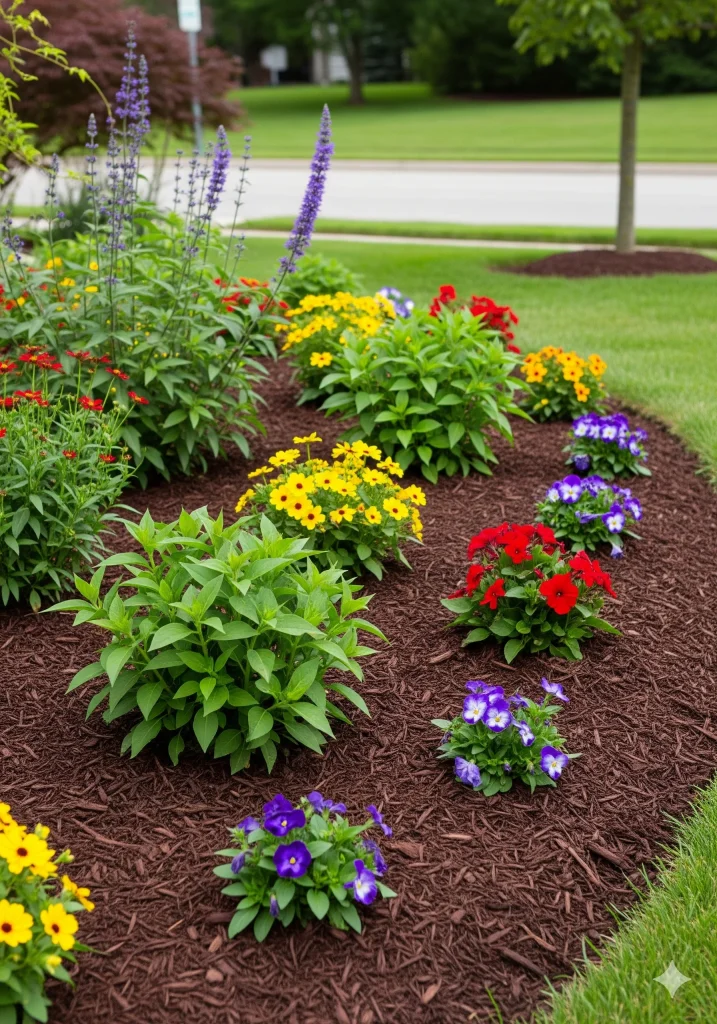
Front yards come alive with layered flower beds. Plant taller shrubs or perennials in the back and shorter blooms up front. This tiered arrangement creates depth, making your yard look lush and vibrant.


4. Install Outdoor Lighting
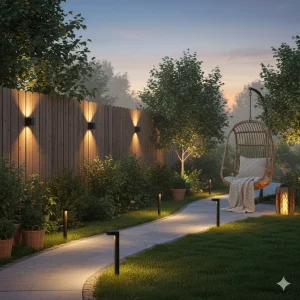
Landscape lighting is both practical and magical. Use solar-powered pathway lights, uplighting for trees, or spotlights for your home’s architecture. A well-lit front yard adds drama and safety at night.

5. Frame Your Entryway with Greenery
Plant symmetrical shrubs, potted plants, or climbing vines near your front door to frame the entrance. This landscaping idea instantly creates a warm and polished look for your home.

6. Use Mulch for a Polished Look
Mulch not only retains moisture but also keeps weeds at bay. Choose rich, dark mulch for a clean, manicured appearance in your flower beds and around trees.
7. Add Water Features
A small fountain or pond adds serenity to your front yard design. The sound of trickling water makes the space feel luxurious and calming while increasing curb appeal.

8. Plant Seasonal Flowers for Color
Switching up your flowers with the seasons ensures your front yard always looks fresh. Tulips and daffodils in spring, sunflowers in summer, chrysanthemums in fall, and evergreens in winter create year-round beauty.

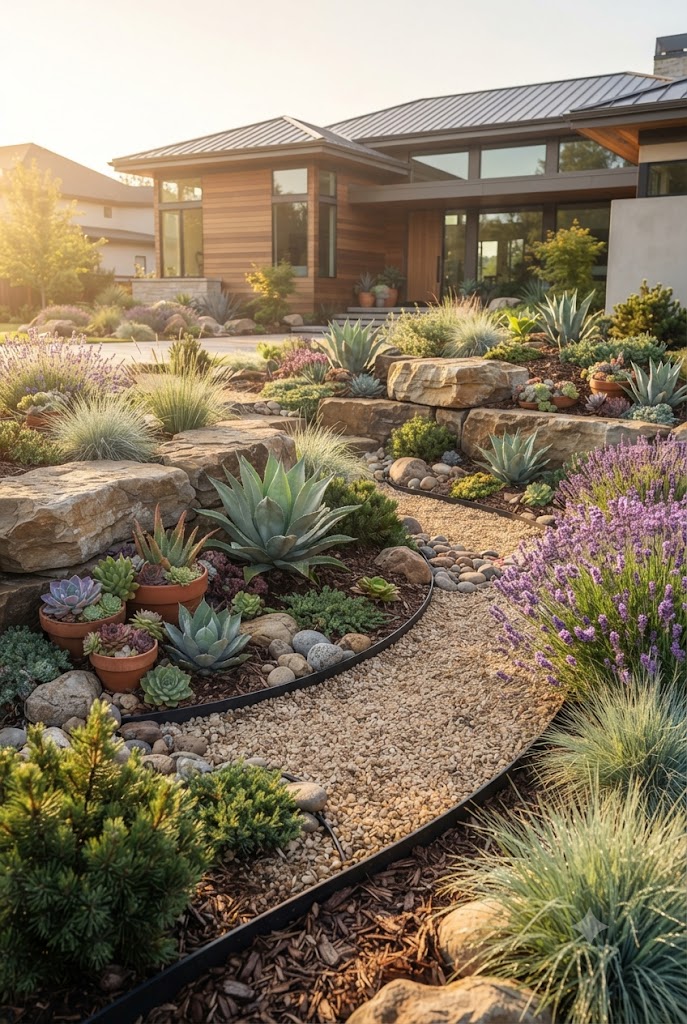
9. Build a Rock Garden
Rocks and pebbles add texture and contrast to front yard landscaping. Combine them with succulents, ornamental grasses, or drought-tolerant plants for a modern, low-maintenance design.
10. Add a Cozy Sitting Area
If your front yard has space, consider a small bench or bistro set. Surrounded by plants and flowers, it offers both curb appeal and a functional spot to relax.

11. Embrace Native Plants
Native plants thrive in your local climate, reducing maintenance while looking beautiful. They attract pollinators, require less water, and ensure your landscaping stays healthy year-round.

12. Design a Symmetrical Garden
Balance is key in landscaping. Planting matching shrubs, flowers, or trees on either side of your walkway or driveway creates a neat, organized look that enhances elegance.

13. Mix Hardscape and Softscape Elements
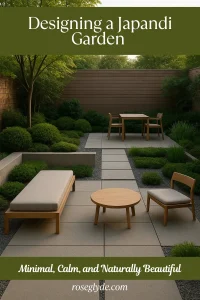
Combine natural greenery with hardscape features like stone borders, garden walls, or wooden fences. This mix of textures creates visual interest and defines spaces in your front yard.

14. Install a Flowering Hedge
Instead of a plain fence, opt for a hedge of flowering shrubs like hydrangeas, lilacs, or roses. Hedges provide privacy, structure, and bursts of seasonal color.

15. Add a Touch of Cottage Charm
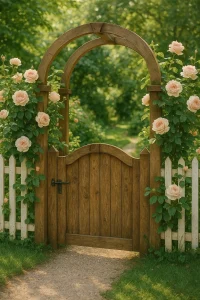
For a cozy vibe, plant climbing roses, lavender, and colorful perennials around a white picket fence. This timeless design creates a storybook look full of charm and warmth.

Choose Plants for Year-Round Interest
When planning your front yard landscaping, think beyond a single season. Combine spring bulbs, summer perennials, colorful fall foliage, and evergreen shrubs to keep your yard attractive all year long. This approach ensures your landscape never looks empty or neglected, regardless of the season.
Low-Maintenance Landscaping Tips
Not everyone has time for constant yard work. Select drought-tolerant plants, install mulch to reduce weeds, and use native species whenever possible. These simple choices can reduce maintenance while still creating a beautiful front yard landscape. A low-maintenance design saves time, water, and money over the long term.
Common Front Yard Landscaping Mistakes to Avoid
- Overcrowding flower beds with too many plants.
- Ignoring mature plant sizes.
- Choosing plants that don’t suit the local climate.
- Forgetting outdoor lighting.
- Using too many landscaping styles in one space.
Avoiding these mistakes will help create a balanced and professional-looking landscape.
Budget-Friendly Front Yard Landscaping Ideas
You don’t need a huge budget to improve your curb appeal. Consider dividing mature plants, adding fresh mulch, creating simple gravel pathways, or planting seasonal flowers. Small improvements often have the biggest visual impact and can transform the appearance of your home without major expenses.
Find Artwork for Your Space
Looking for artwork to complete your space? Visit Rose Glyde Studio to explore our collection of printable wall art, botanical designs, elegant illustrations, and nature-inspired artwork for creating a beautiful gallery wall at home.

Final Thoughts
These front yard landscaping ideas are designed to inspire you, whether you prefer a modern minimalist yard or a lush, cottage-style garden. By adding thoughtful touches like lighting, water features, and layered plantings, you can make your front yard not only beautiful but also functional and inviting.
With the right combination of plants, hardscape, and design features, your home’s curb appeal will flourish — leaving a lasting impression on every guest who walks by.
Planning the Layout Before You Plant
A front yard works best when the layout is settled before any planting begins. Start by standing at the street and at the front door, and note the views you want to keep, the views you want to soften, and the route visitors naturally take. Mark the sunny and shady areas at different times of day, and note where water collects after rain or runs off toward paths and beds.
Next, sketch the yard to a rough scale and divide it into simple zones for planting, grass or ground cover, paths, and open space. Leave clear access to doors, gates, meters, bins, and parked cars, and allow room for shrubs and trees at their mature size. A clear plan prevents crowding, reduces replanting, and helps each later choice fit the whole yard rather than competing with it.
Working With Slopes, Corners and Awkward Edges
Not every front yard is flat and rectangular, and awkward areas can still look intentional with a simple approach. On a slope, group plants in staggered rows or drifts that follow the contour, so the planting reads as one sweep rather than as scattered singles. Ground cover and mulch help the surface look finished between larger plants, and a defined edge at the bottom gives the slope a clear end point.
Corners and narrow strips benefit from restraint. Use one taller shrub or small tree to anchor a corner, then repeat a small number of lower plants along both sides so the turn feels connected. In narrow areas, choose upright or compact plants, keep paths fully clear, and use a single surface material so the space feels calm rather than cluttered.
Front Yard Privacy Without Blocking Light
Privacy in a front yard is usually about softening views rather than building a solid barrier. Staggered shrubs, a small tree with a high canopy, or a low fence combined with planting can interrupt a direct line of sight while daylight still reaches windows and paths. Placing the tallest plants near the source of the view, instead of in a straight row, often gives a more natural result.
Keep privacy planting in proportion to the house and the street. Leave gaps for entrances, driveways, and sightlines for drivers and pedestrians, and check local rules where they apply to fences and boundary planting. Prune lightly and regularly to keep plants dense at the lower level without letting them spill over paths. Done in layers, privacy planting can also frame the home rather than hide it.
Keeping a Front Yard Tidy in a Little Time Each Week
A front yard stays welcoming when small tasks are done little and often, before they build into a larger job. Walk the path and entrance with a short mental checklist: sweep hard surfaces, clear fallen leaves and litter, wipe marks from the front door area, and pull any weeds that stand out along edges and cracks.
Then look at the planting with the same quick eye. Deadhead spent flowers where it is easy to reach, trim growth that blocks the path or the house number, top up thin patches of mulch, and water pots and new plants when the soil is dry. Ending with a step back from the street helps you spot the one change that will make the biggest difference next.
Related
- 13 Cozy Garden Nook Ideas for the Ultimate Outdoor Escape
- 20 Outdoor Garden Décor Ideas: DIY Projects to Beautify Your Backyard
- 20 Stunning Backyard Patio Designs to Inspire You
- 12 Charming Potting Shed Interior Ideas to Inspire Your Garden Sanctuary
- 22 Cabana-Style Backyard Hut Ideas to Transform Your Outdoor Space
- How to Design the Perfect Backyard Cabana: Ideas for a Stylish Outdoor Escape