Butternut Squash Mac and Cheese: A Creamy, Cozy Twist on a Classic
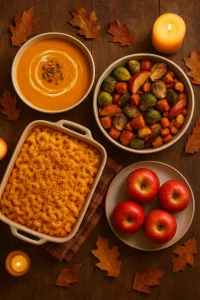
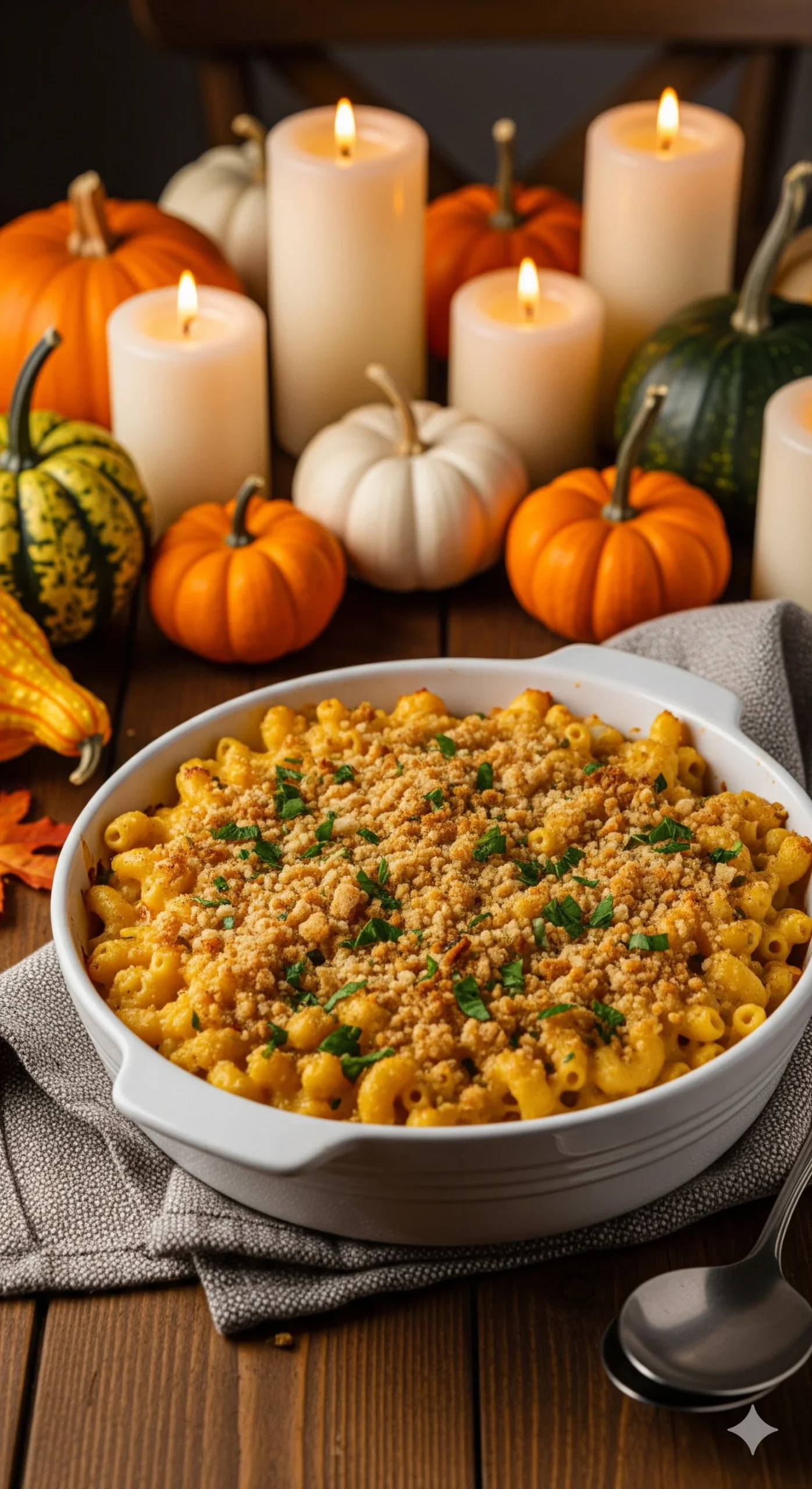
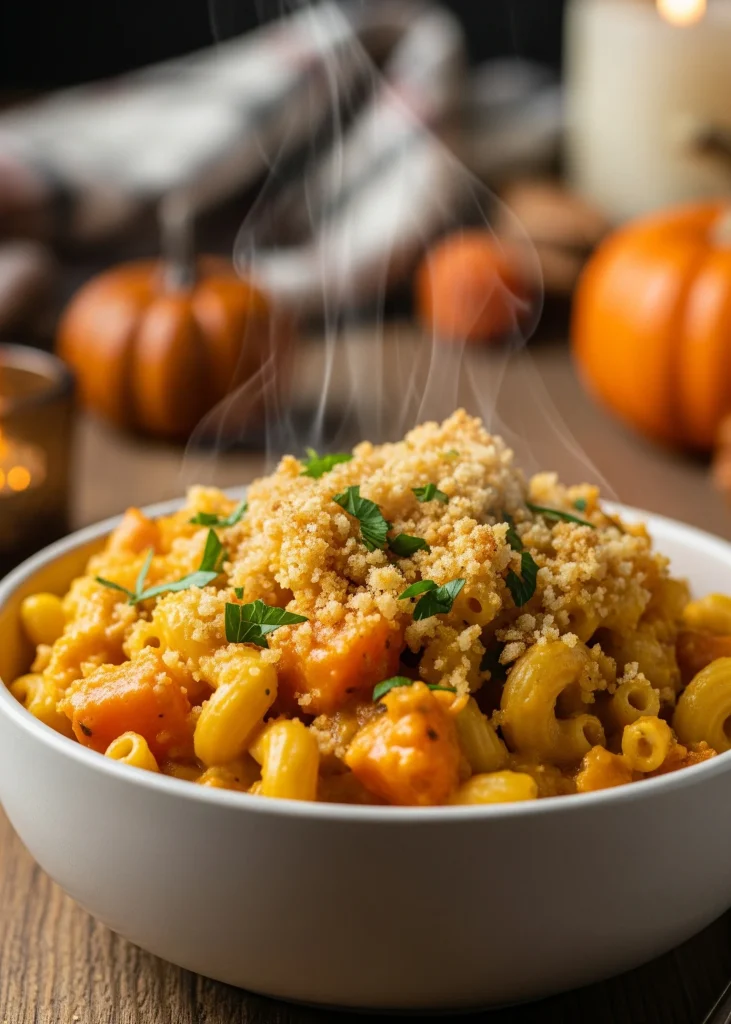
If you love mac and cheese but want to add a wholesome, seasonal spin, Butternut Squash Mac and Cheese is the ultimate comfort food recipe to try. Creamy, cheesy, and just slightly sweet, this dish blends the coziness of traditional mac with the nutrient boost of butternut squash. Perfect for fall dinners, Thanksgiving side dishes, or even a weeknight family meal, this recipe will quickly become a favorite.
Why You’ll Love This Butternut Squash Mac and Cheese
- Healthier than classic mac – Butternut squash adds vitamins A and C, fiber, and antioxidants.
- Creamy without heavy cream – The squash puree creates a velvety base naturally.
- Kid-friendly and picky-eater approved – The cheese masks the veggies, making it a clever way to sneak in nutrition.
- Perfect fall flavor – Sweet, nutty squash pairs beautifully with sharp cheddar and Parmesan.
Ingredients You’ll Need
Here’s what you’ll need to make this cozy dish (serves 4–6):
- 1 medium butternut squash (about 2 ½ cups cubed)
- 12 oz elbow macaroni (or pasta of choice)
- 2 tbsp butter
- 2 tbsp all-purpose flour
- 2 cups milk (whole or 2%)
- 1 cup vegetable broth (or chicken broth)
- 1 ½ cups shredded sharp cheddar cheese
- ½ cup Parmesan cheese, grated
- 1 tsp garlic powder
- ½ tsp ground nutmeg (optional, but adds warmth)
- Salt and black pepper to taste
- Optional topping: breadcrumbs mixed with butter for a crunchy finish
Step-by-Step Instructions
1. Cook the Squash
Peel and cube the butternut squash. Boil or steam until fork-tender (about 10–12 minutes). Drain and mash, or puree in a blender until smooth.
2. Cook the Pasta
While the squash cooks, boil the pasta in salted water until al dente. Drain and set aside.
3. Make the Squash Cheese Sauce
- In a saucepan, melt butter over medium heat.
- Whisk in flour and cook for 1 minute to form a roux.
- Slowly whisk in milk and broth until smooth.
- Stir in the squash puree, garlic powder, nutmeg, salt, and pepper.
- Add cheddar and Parmesan, stirring until melted and creamy.
4. Combine Pasta and Sauce
Add the cooked pasta into the sauce and stir until every noodle is coated in cheesy, golden goodness.
5. Optional Baked Version
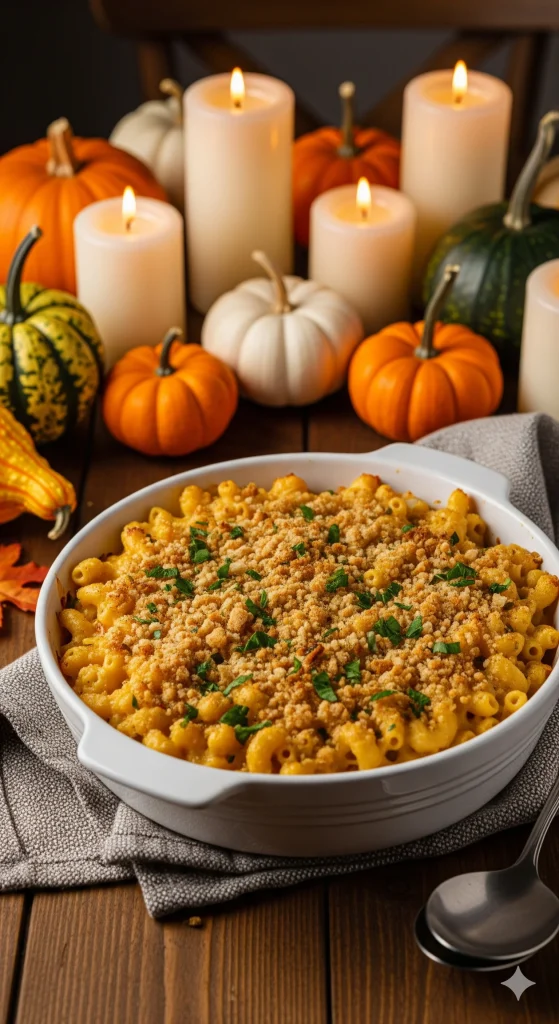
Transfer to a baking dish, sprinkle with buttered breadcrumbs, and bake at 375°F (190°C) for 20 minutes until bubbly and golden on top.
Tips & Variations
- Make it spicy: Add a pinch of cayenne or smoked paprika.
- Make it gluten-free: Use gluten-free pasta and flour.
- Add protein: Stir in shredded chicken, crispy bacon, or sautéed mushrooms.
- Dairy-free version: Use plant-based milk and vegan cheese.
Serving Ideas
- Serve as a main dish with a green salad.
- Add it to your holiday table as a rich, seasonal side.
- Pair with roasted veggies or grilled meats for a hearty dinner.
Preparing the Squash for a Smooth Sauce
The smoother the squash, the smoother the finished sauce, so this first step is worth a little care. Look for squash that feels heavy for its size, with firm skin and no soft spots. Peel it well, because even small pieces of skin can leave flecks in the sauce, then cut the flesh into even pieces so everything softens at the same pace and blends without stubborn lumps.
Roasting and simmering both work, and the choice comes down to flavor and convenience. Roasting deepens the natural sweetness and adds a gentle, caramelized edge, while simmering on the stove is quicker to watch and keeps the flavor mild and clean. Either way, cook the squash until it is completely tender and gives easily when pressed. Hard centers resist blending and can make the sauce feel coarse, while fully softened squash melts into a puree that carries the cheese beautifully and coats every piece of pasta. Let any extra cooking liquid drain away before blending, so the sauce stays rich rather than watery.
Choosing Cheeses That Melt Smoothly
A good cheese for this sauce should melt into the liquid rather than sit in it. Smooth melting cheeses with some moisture tend to blend in cleanly, while very dry or aged cheeses are better used in smaller amounts for flavor. A balanced mix works well: one cheese for body and melt, and another with a sharper or nuttier character to add depth, so the squash still tastes like itself instead of being hidden.
How the cheese is prepared matters just as much as which cheese you choose. Finely shredded cheese melts faster and more evenly than thick chunks, and it is less likely to clump when it meets the warm sauce. Cheese straight from a bag can behave differently from freshly shredded cheese because of the coatings that keep shreds separate, so fresh shreds are the safer choice when smoothness is the goal. Add the cheese gradually, stirring as each addition melts, and keep the sauce warm rather than boiling, because fierce heat can make melted cheese turn oily or stringy.
Blending a Silky Sauce and Fixing a Grainy One
Blend the cooked squash with some of its cooking liquid or with part of the sauce base until it looks completely smooth before the cheese goes in. Take your time at this stage, because tiny pieces left behind now will still be there at the end. A blender usually gives the silkiest result, while an immersion blender is convenient in the pot, and a food processor can leave a little more texture, which some cooks prefer.
If the finished sauce looks grainy, the cause is usually undercooked squash, cheese added too quickly, or heat that was too high. Warm the sauce gently and whisk steadily, and blend it again briefly if the grain comes from the squash. A small splash of warm milk can help the sauce come back together as you whisk. Prevention is easier than repair, though: soft squash, gradual cheese, and gentle heat will give you a smooth, glossy sauce in the first place.
Breadcrumb Toppings and How to Keep Them Crisp
A crisp topping is the contrast that makes a baked mac and cheese feel complete. The crumbs should be dry, coarse enough to stay distinct, and coated lightly with fat so they brown evenly instead of scorching in patches. Fine, powdery crumbs can disappear into the sauce, while larger crumbs keep their crunch and give each serving a golden, textured top that plays nicely against the creamy pasta underneath.
Timing keeps the topping crisp. Add the crumbs near the end of the preparation rather than letting them sit on wet sauce, because they soften as they absorb moisture. If the dish is baked, the topping should come out deeply golden and sound dry when tapped with a spoon. Leftovers lose that crunch as they rest in the refrigerator, so a short return to a hot oven restores the top better than gentle reheating, which tends to leave the crumbs soft.
Making Ahead, Storing and Reheating
This is a friendly dish to prepare in stages. The squash can be cooked and blended ahead, and the sauce can be made before the pasta, then combined when you are ready to serve or bake. If the whole dish is assembled in advance, expect the pasta to drink up some of the sauce as it rests, so the result will be a little thicker and more set than when it is freshly mixed.
Store leftovers covered in the refrigerator, and keep any extra topping separate when you can, so it stays crisp. Reheat the pasta gently with a small splash of milk stirred in to loosen the sauce, warming it gradually rather than blasting it with heat, which can make the cheese separate. A covered dish also helps the top stay moist while the center warms through. Stirring as it warms helps the sauce turn creamy again. Serve it as soon as it is hot and smooth, with fresh crumbs scattered over the top for contrast.
Choosing the Right Pasta Shape
Short pasta shapes suit this sauce best because they hold it in their curves and hollows. Tubes, shells, and spirals all catch the golden sauce and carry it in every bite, while long strands can let a thick sauce slide away and pool in the bowl. Shapes with ridges give the sauce even more to cling to, which helps each forkful taste balanced instead of alternating between plain pasta and loose sauce.
Whatever shape you choose, cook it until it is just tender with a little firmness left, because it will soften further when it meets the hot sauce and again if the dish is baked. Save some of the starchy pasta cooking water before draining. A splash of that water loosens a thick sauce, helps it cling, and keeps the finished dish glossy. Add it gradually, tossing the pasta through the sauce until everything is evenly coated and shining.
Final Thoughts
This Butternut Squash Mac and Cheese is everything you love about mac and cheese, but with a fall-inspired twist that makes it extra creamy and nutritious. Whether you’re cooking for family, friends, or just a cozy night in, this dish is guaranteed to bring warmth and comfort to your table.