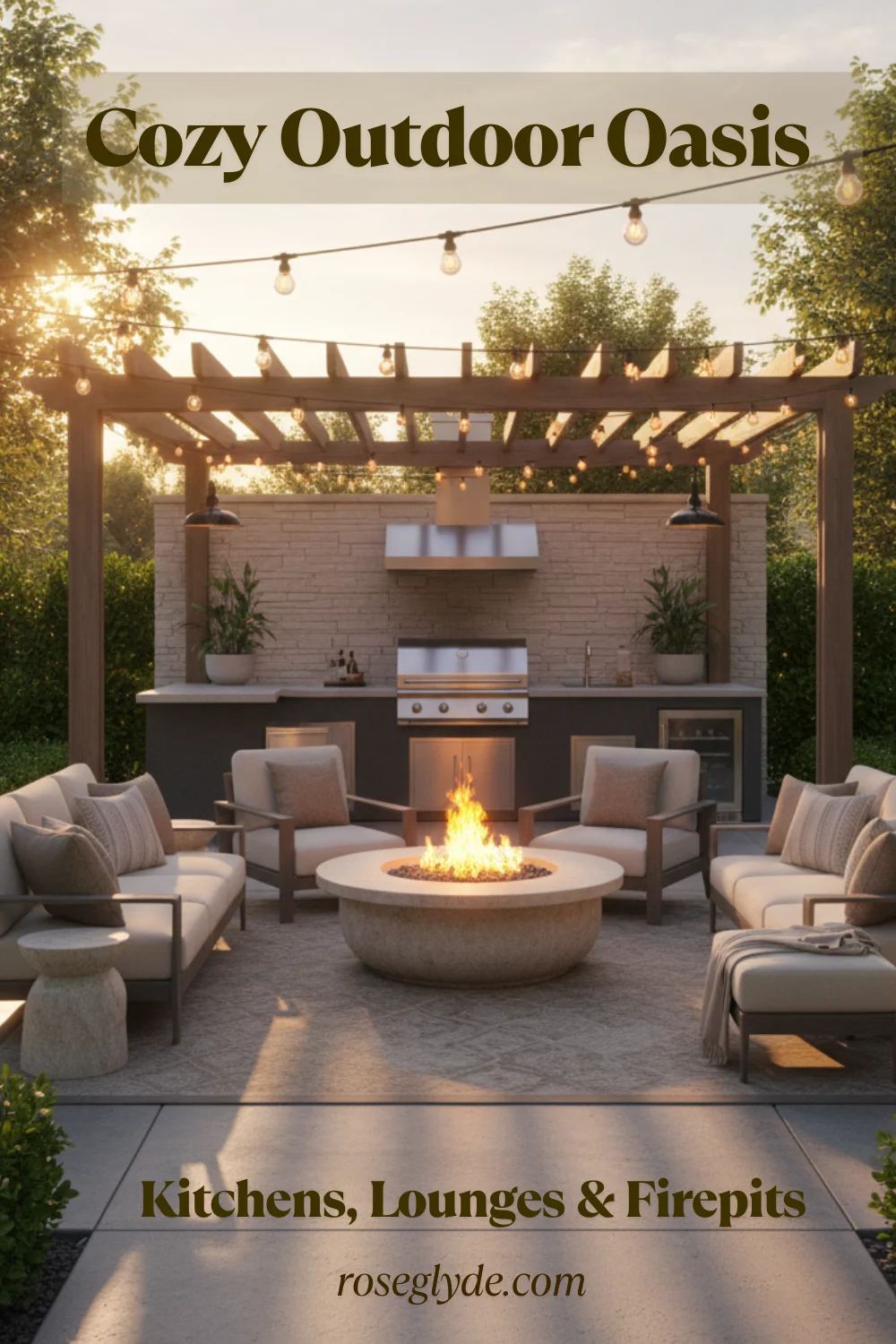
Outdoor Living Trends: Kitchens, Lounges & Firepits for the Perfect Garden
Outdoor living has transformed from a seasonal indulgence into a year-round lifestyle trend. More homeowners are blurring the lines between indoor and outdoor spaces, creating gardens that serve as extensions of their homes. Whether you dream of alfresco cooking, cozy lounge corners, or evenings spent around a glowing firepit, the latest outdoor living trends show how to design a garden that’s both stylish and functional.
In this guide, we’ll explore the rise of outdoor kitchens, garden lounges, and firepit areas—and how these elements can turn your backyard into the perfect retreat.
The Rise of Outdoor Kitchens
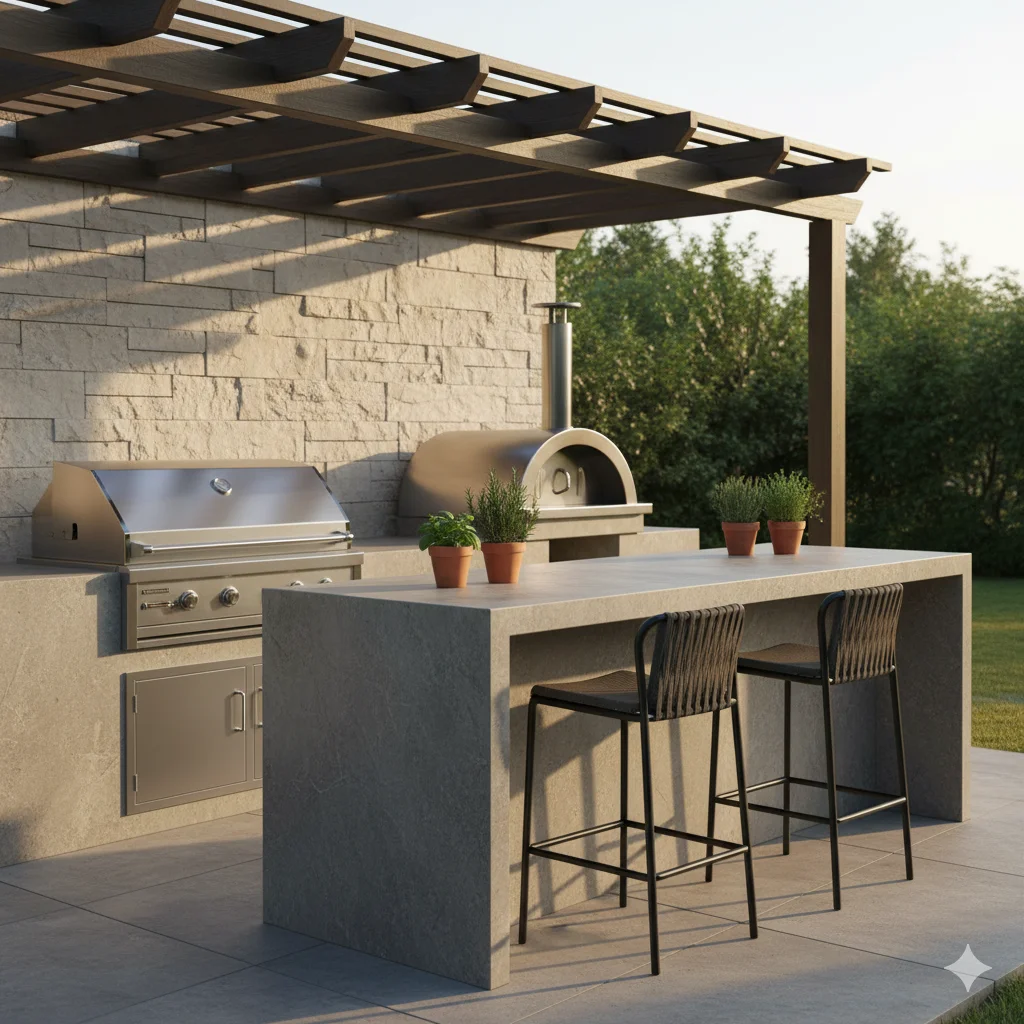
Gone are the days when a simple charcoal grill was the height of outdoor dining. Modern outdoor kitchens are now complete culinary hubs, featuring countertops, storage, sinks, and even pizza ovens.
Why Outdoor Kitchens Are Trending
- Year-Round Entertaining – With weather-resistant materials like stainless steel and stone, outdoor kitchens are designed to withstand the elements, allowing you to cook outside in every season.
- Social Cooking Spaces – Unlike indoor kitchens where the cook can feel isolated, outdoor kitchens create a shared experience. Guests can mingle, sip drinks, and watch meals being prepared.
- Healthy Lifestyle Choice – Cooking outdoors often encourages grilling fresh meats, vegetables, and seafood, making alfresco dining healthier.
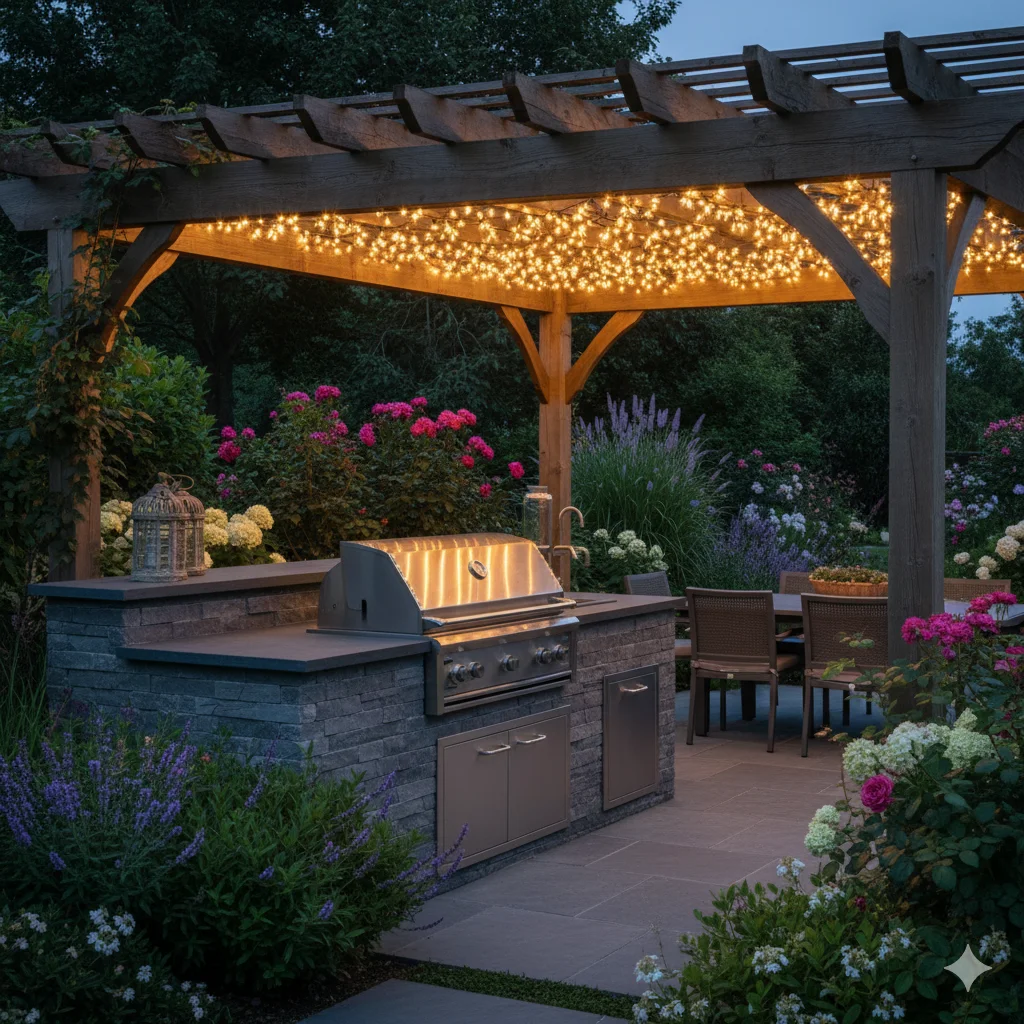
Outdoor Kitchen Ideas
- Compact Kitchenette: Perfect for smaller gardens, with a built-in grill, countertop, and a storage cabinet.
- Luxury Setup: Add a bar counter, a pizza oven, or even a wine fridge for high-end entertaining.
- Rustic Charm: Use reclaimed wood or stone to blend seamlessly with natural surroundings.
Pro Tip: Position your outdoor kitchen near your dining or lounge area so that moving food and drinks is convenient.
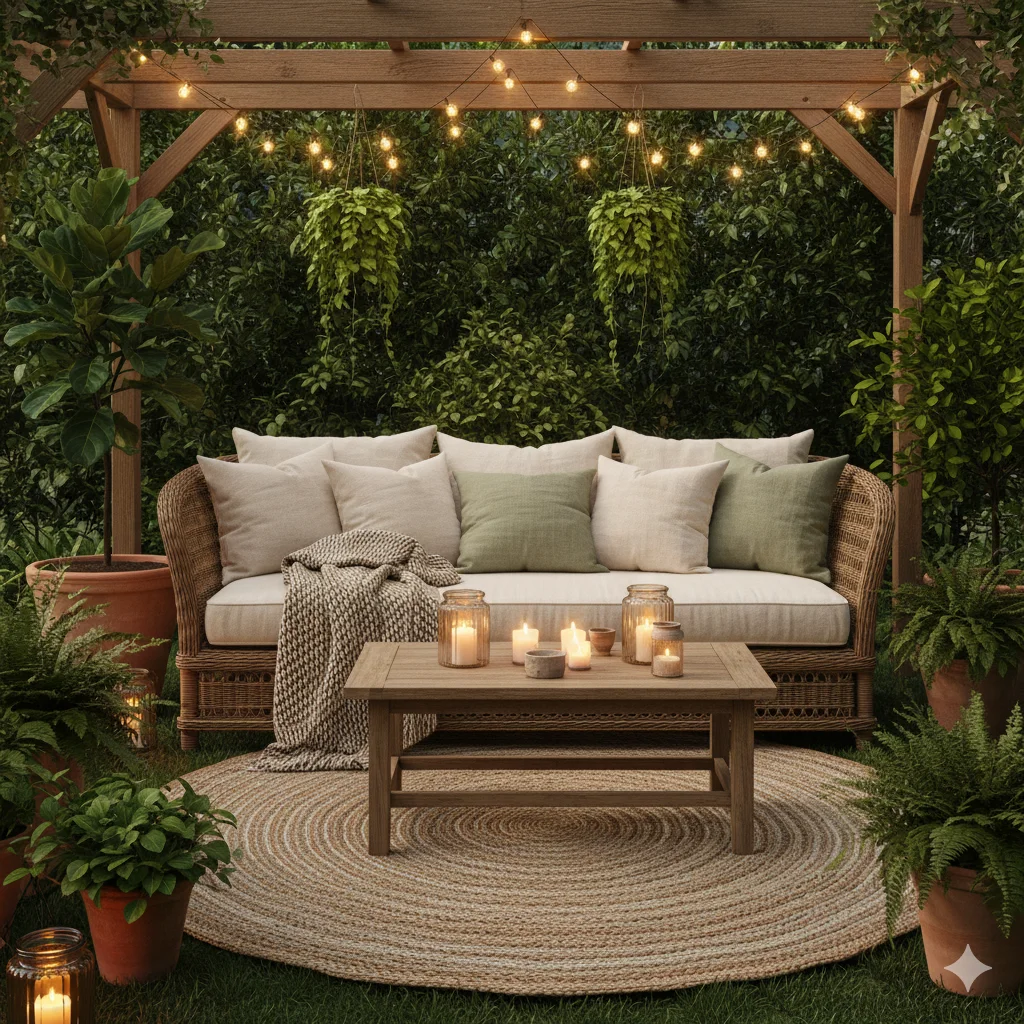
Outdoor Lounges: Creating a Garden Living Room
As people spend more time outside, garden lounges have become an essential feature. Think of them as outdoor living rooms where comfort meets nature.
What Makes a Great Outdoor Lounge?
- Comfortable Seating: Sofas, sectionals, and hanging egg chairs with weatherproof cushions create a relaxed vibe.
- Layered Textures: Rugs, throws, and cushions in natural fabrics like linen and jute add coziness.
- Lighting: String lights, lanterns, and solar lamps keep the space usable after sunset.
- Shade & Shelter: Pergolas, umbrellas, and retractable awnings provide relief from the sun and rain.
Style Inspiration for Garden Lounges
- Modern Minimalist – Clean-lined furniture in neutral tones, accented with sleek planters.
- Bohemian Chic – Mix-and-match seating, patterned cushions, and colorful rugs for a laid-back look.
- Mediterranean Vibes – Whitewashed walls, terracotta pots, and olive-green accents bring vacation energy to your backyard.
Pro Tip: Arrange furniture in a way that encourages conversation, with coffee tables or side tables for drinks and snacks.
Firepits: The Heart of Outdoor Living
Few things are as inviting as gathering around a fire on a cool evening. That’s why firepits remain one of the hottest outdoor living trends.
Why Firepits Are Essential
- All-Season Use – Perfect for chilly autumn nights, summer marshmallow roasts, or even winter gatherings.
- Focal Point – A firepit naturally draws people together and serves as a centerpiece in your garden.
- Ambience – The crackling fire and warm glow create a relaxing atmosphere no matter the occasion.

Firepit Styles to Consider
- Traditional Wood-Burning: Offers authentic crackle and warmth, ideal for rustic gardens.
- Gas or Propane Firepits: Cleaner and easier to light, great for modern designs.
- Table-Style Firepits: Combine seating, dining, and warmth in one multifunctional setup.
- Built-In Stone Designs: Add permanence and blend seamlessly into the landscape.
Pro Tip: Add built-in seating or circle your firepit with lounge chairs to make it the social heart of your outdoor space.
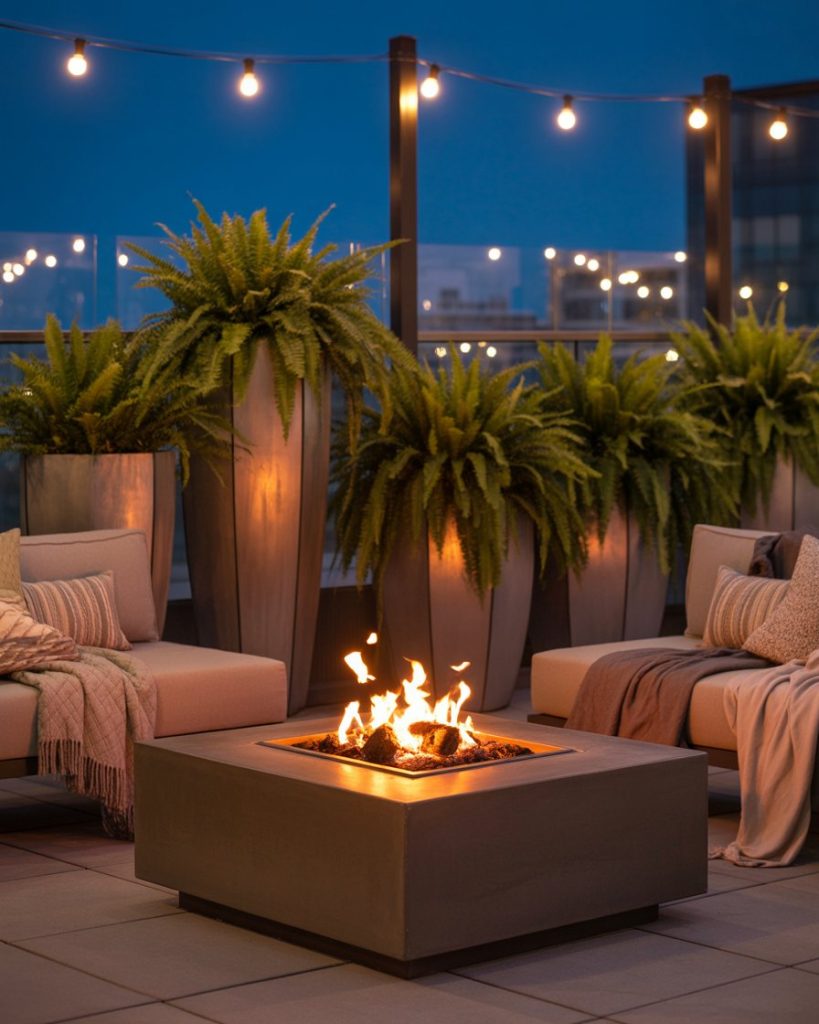
Designing the Perfect Outdoor Living Space
The magic happens when you combine kitchens, lounges, and firepits into a cohesive garden design. The key is balance—choosing the right layout and materials to create flow.
Practical Tips for a Harmonious Setup
- Zoning Your Garden – Divide your outdoor area into functional zones: cooking, dining, lounging, and firepit. Use pathways, planters, or decking to define each space.
- Material Cohesion – Choose a consistent palette (wood, stone, metal) to tie your spaces together.
- Greenery & Planting – Use container plants, hedges, or vertical gardens to soften hard edges and create privacy.
- Weatherproof Choices – Invest in furniture and fabrics that resist fading, mold, and rain.
- Smart Technology – Add outdoor speakers, lighting controls, and heating for modern convenience.
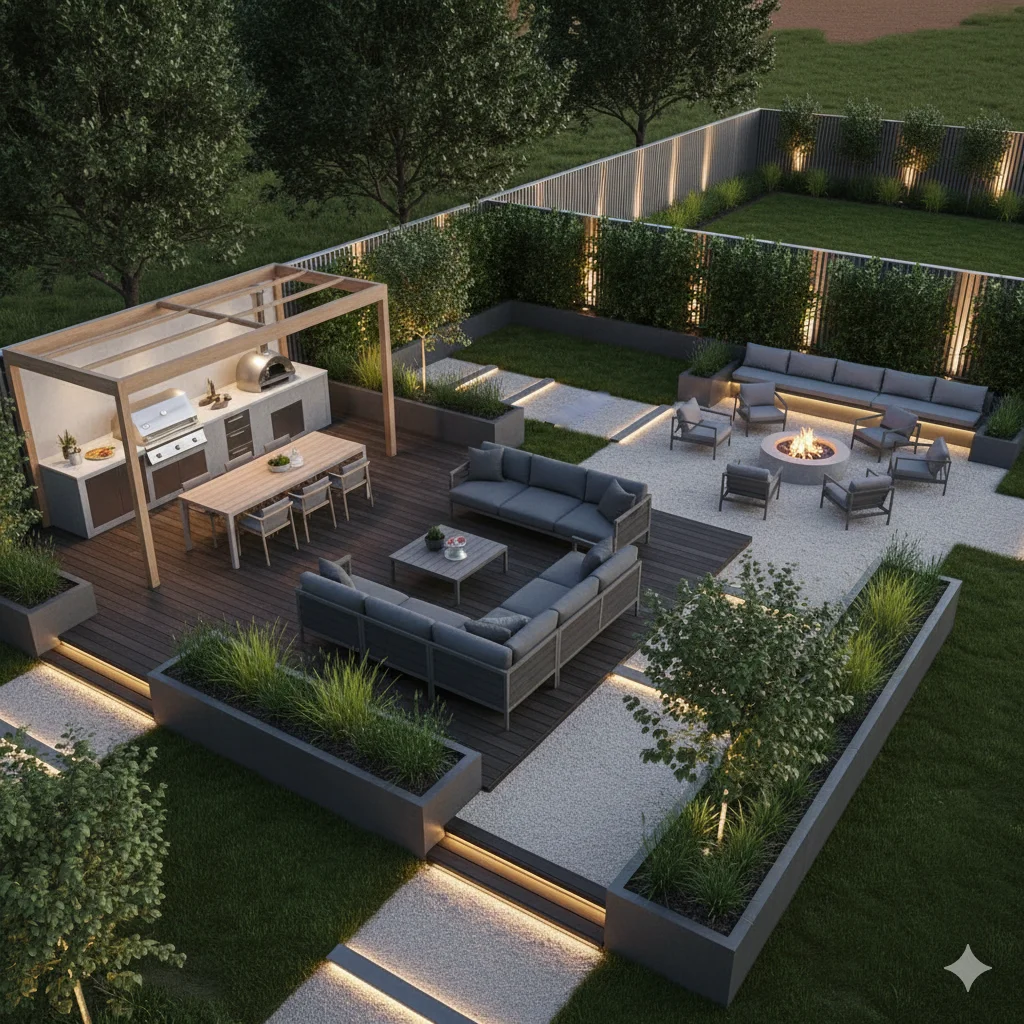
Outdoor Living Trends to Watch
Looking ahead, outdoor living trends are leaning toward sustainability, multi-functionality, and wellness.
- Eco-Friendly Materials: Bamboo furniture, recycled decking, and solar-powered lighting are rising in popularity.
- Year-Round Spaces: Firepits, heaters, and covered lounges make gardens usable beyond summer.
- Wellness Corners: Outdoor yoga decks, spa tubs, or meditation nooks complement kitchens and lounges.
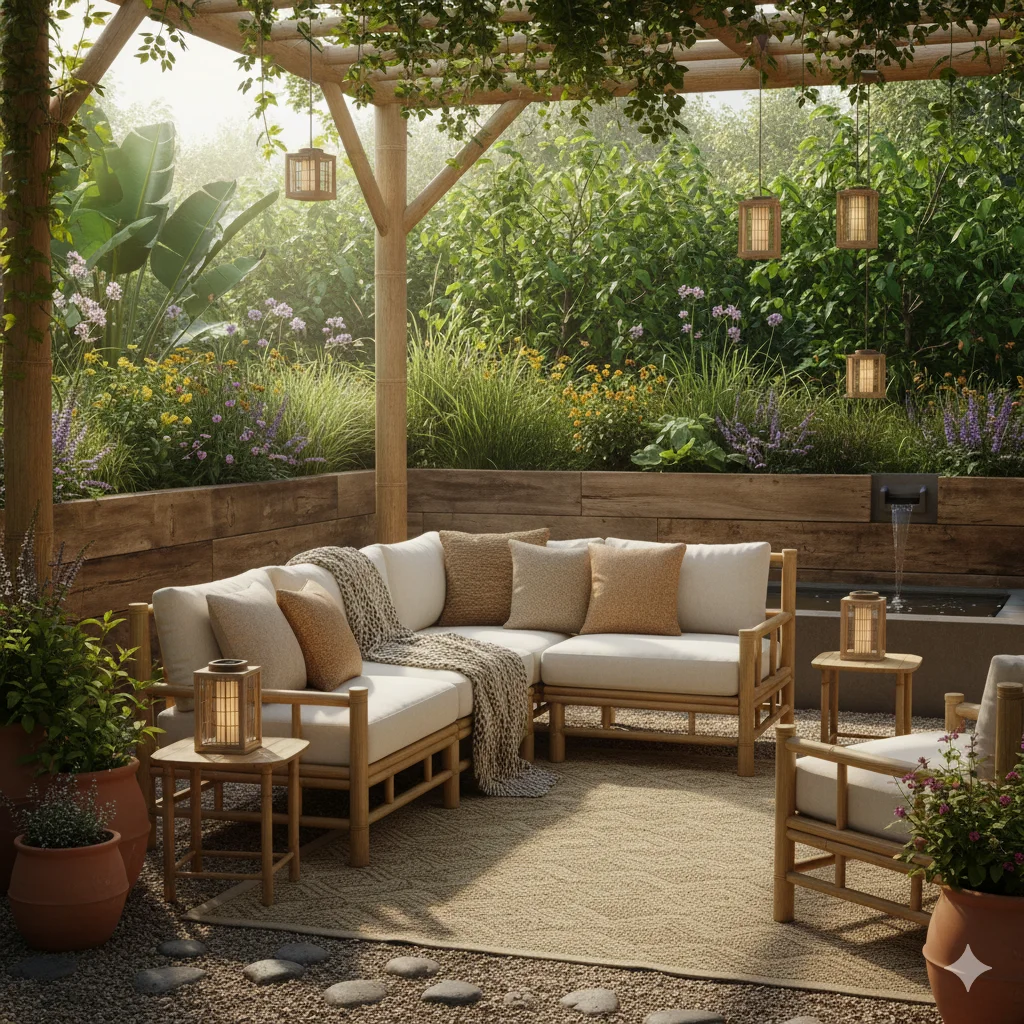
Zoning a Garden So Every Area Earns Its Place
Every zone in the garden should have one clear job. A cooking area, a dining spot, a quiet corner for reading, and a firepit gathering place all earn their space when each one serves a purpose nothing else in the garden provides. The best place to start is not the catalog but the calendar: think about how the garden will actually be used across a week and a season, then assign each zone to the moments it serves best. When two areas compete for the same job, one of them will sit empty while the other feels crowded.
Placement matters as much as purpose. Kitchens work best close to the house for easy access, lounges sit where the afternoon sun feels kindest, and firepits settle into a spot sheltered enough for the smoke to rise away from seating. Clear paths between zones keep the whole garden feeling connected, and a simple repeat of materials or planting from one area to the next ties them together. A garden planned this way feels generous even at a modest size, because no square of it is wasted.
Planning in Phases When the Budget Is Real
Few gardens arrive finished in a single season, and they do not need to. Phasing the work lets the budget breathe: the bones of the garden come first, meaning paths, main planting, and whatever makes the space usable day to day, while the extras wait their turn. It helps to sketch the whole plan up front, even the parts that will wait, so every purchase and every project moves toward the same finished picture instead of accidental purchases that need replacing later.
A sensible first phase is whatever removes the biggest frustration, often seating, shade, or a workable path. Each following phase can then answer the question the finished sections raise, such as where to add the firepit once the lounge is getting used, or which corner needs the storage that keeps the kitchen tidy. Costs stay spread across seasons, the garden stays enjoyable at every stage, and nothing gets ripped out because it was placed before the plan existed.
Seasonal Transitions Without Starting Over
A garden that works all year is not decorated twice; it is layered once with change in mind. The furniture, structures, and main planting stay put, while the soft layers shift with the weather: lighter cushions and open shade in the warm months, heavier throws, blankets, and wind protection when the evenings cool. Containers are the easiest vehicle for seasonal change, since a pot of bright annuals can become a pot of evergreens without moving a single stone.
Lighting and warmth extend the season more than anything else. String lights, lanterns, and well-placed path lighting make the garden inviting after dark, and a firepit or outdoor heater turns a crisp evening into a reason to go outside. The goal is a space that adapts rather than transforms, so the garden is ready whenever the weather allows instead of needing a full weekend of preparation before anyone can enjoy it.
Simple Maintenance That Protects the Whole Space
Outdoor spaces age gracefully when the small jobs happen on schedule. A seasonal walk-through is the simplest habit: check that furniture joints are sound, that cushions and covers are clean and dry, that surfaces drain properly, and that nothing has worked loose over winter. Catching these things early keeps one season of neglect from becoming a full replacement job the next.
The softer layers deserve the same care. Brushing down paths and decking, wiping lighting fixtures so they shine properly, and storing cushions during long wet spells all add years to the investment. Keeping containers watered and trimmed preserves the privacy they provide, and mulching beds protects roots through the cold months. None of this is complicated, and together it keeps the garden feeling welcoming every time the door opens.
Final Thoughts
The perfect outdoor living space combines comfort, functionality, and atmosphere. With a well-designed outdoor kitchen, a cozy garden lounge, and a glowing firepit, your backyard becomes more than just a garden—it becomes a lifestyle. Whether you’re entertaining friends, enjoying family meals, or unwinding under the stars, these outdoor living trends bring the best of indoor luxury into the fresh air.
Transform your garden into a sanctuary where every season feels like an invitation to step outside.