Hardscaping Ideas: Transform Your Outdoor Space with Lasting Beauty
When it comes to landscaping, most people think about lush lawns, vibrant flower beds, and tall trees swaying in the breeze. But the real backbone of any outdoor design lies in hardscaping. Hardscaping refers to the permanent, non-living elements of your yard—like patios, walkways, retaining walls, decks, pergolas, fire pits, and stone features—that provide structure, balance, and year-round appeal.
In this guide, we’ll dive into what hardscaping is, why it’s important, the most popular hardscape ideas, and how to design an outdoor space that looks stunning and functions beautifully.
Table of Contents
What is Hardscaping?
Hardscaping is a key component of landscape design that focuses on solid, man-made structures. Think of it as the architectural framework of your outdoor environment. While softscaping (plants, flowers, and grass) changes with the seasons, hardscaping provides durability, permanence, and form.
Examples of hardscape features include:
- Stone patios and paver pathways
- Wooden decks and pergolas
- Outdoor kitchens and BBQ stations
- Retaining walls and garden edging
- Water features like fountains or ponds
- Fire pits and fireplaces
Together, hardscape and softscape create balance—the hard edges and defined spaces of structures contrasting with the natural softness of greenery.
Benefits of Hardscaping
Adding hardscape features isn’t just about aesthetics. It provides practical benefits too:
- Low Maintenance – Unlike lawns that require mowing and watering, hardscaped areas like stone patios or gravel pathways are easy to maintain.
- Increased Home Value – Outdoor living spaces are highly desirable for buyers, and well-planned hardscaping can significantly boost curb appeal.
- Extended Living Space – With patios, decks, or outdoor kitchens, your backyard becomes an extension of your home.
- Erosion Control – Retaining walls and stone pathways help prevent soil erosion, especially on sloped yards.
- Durability – Stone, brick, and concrete stand the test of time, making them smart long-term investments.
- Year-Round Functionality – While flowers bloom seasonally, a stone fire pit or pergola provides beauty in every season.

Popular Hardscaping Ideas to Try
1. Patios and Paver Pathways
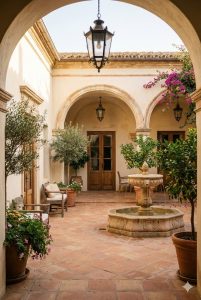
A stone patio is one of the most common and versatile hardscape features. Using natural stone, concrete pavers, or brick, you can design an outdoor seating area that’s perfect for dining, relaxing, or entertaining. Pair it with winding paver pathways that guide guests through your garden or connect different areas of your yard.

2. Outdoor Kitchens and Dining Areas
Take outdoor entertaining to the next level with a built-in grill, stone countertops, and even a pizza oven. Adding a dining pergola with string lights creates a cozy, restaurant-style atmosphere right at home.

3. Retaining Walls and Garden Borders
Retaining walls not only prevent erosion but also add depth and dimension to your garden. Use natural stone for a rustic look, or smooth concrete for a modern edge. Smaller garden borders can frame flower beds or define spaces.

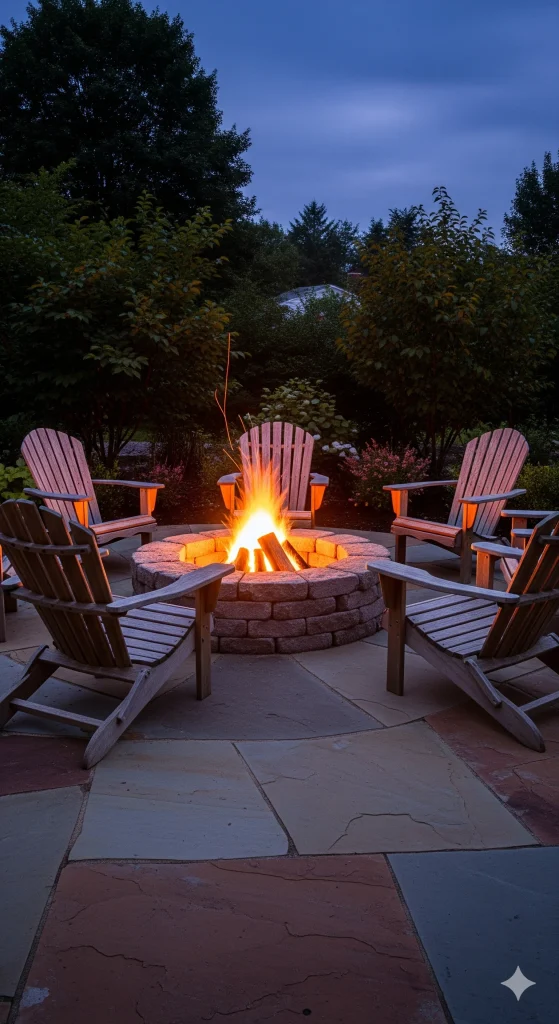
4. Fire Pits and Outdoor Fireplaces
A fire pit is the ultimate gathering spot for cool evenings. Choose a circular stone fire pit for casual seating or go bold with a built-in outdoor fireplace for dramatic impact.

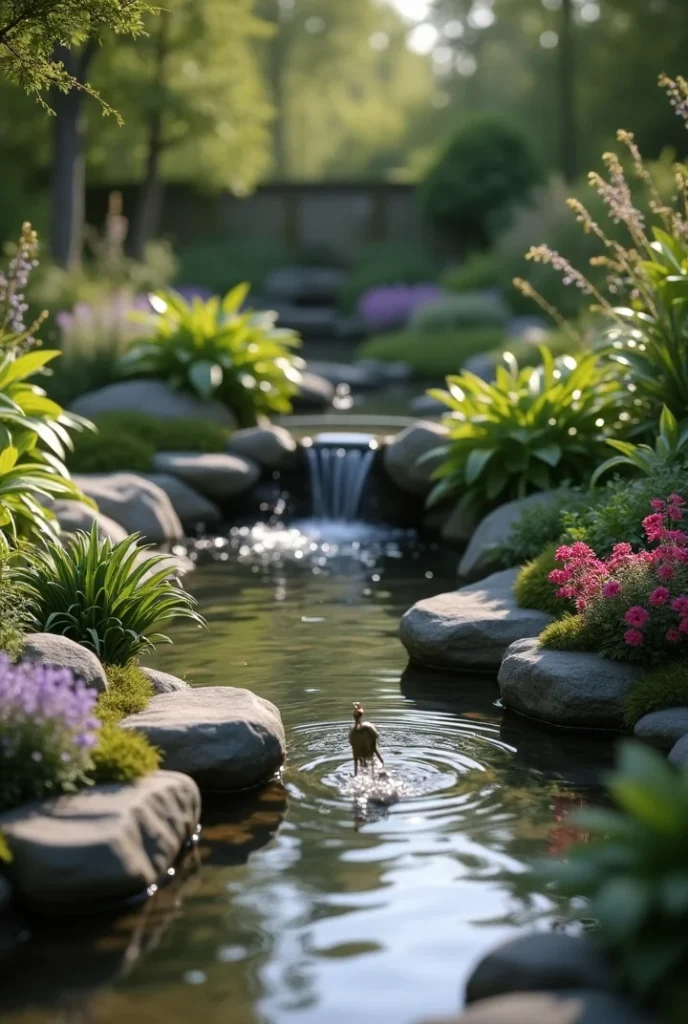
5. Water Features
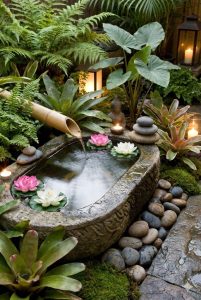
Hardscaping isn’t just stone and concrete. Incorporating fountains, reflecting pools, or even a pond edged with stone adds tranquility and a touch of luxury to your outdoor space.
6. Decks and Pergolas
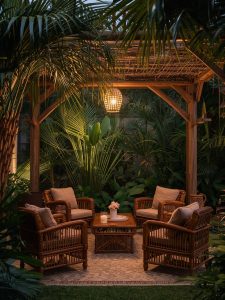
Wooden decks create elevated platforms for lounging or dining, while pergolas provide shade and architectural interest. You can drape vines or string lights for added charm.

7. Driveways and Courtyards
Your driveway doesn’t have to be plain concrete. Pavers, stamped concrete, or cobblestone designs turn a functional space into a stylish focal point. Courtyards with stone seating areas also add elegance.

Hardscaping Ideas Based on Your Yard
The right hardscape depends on your yard’s size, shape, drainage, budget, and how you plan to use the space. Instead of choosing a feature simply because it looks beautiful, start with the problem you want to solve.
1. For a Small Backyard
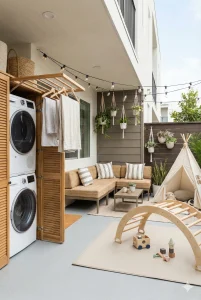
Best choices: Compact patio, narrow pathway, vertical pergola, or built-in seating.
A small yard usually benefits from fewer, better-defined features. Use one main hardscape area rather than dividing the space into several small zones.
Best materials: Concrete pavers, brick, gravel, or large-format stone.
Avoid: Too many paving patterns or different materials, which can make a small space feel cluttered.
2. For a Sloped Yard
Best choices: Retaining walls, terraced planting beds, steps, and tiered pathways.
Instead of fighting the natural slope, use hardscaping to turn different elevations into useful garden levels.
Best materials: Natural stone, retaining wall blocks, or brick.
Important: Drainage and structural stability should come before appearance. A retaining wall is more than a decorative feature.
3. For a Low-Maintenance Yard
Best choices: Paved patio, gravel pathway, stone edging, and smaller planting areas.
If you want to spend less time mowing, watering, and maintaining the yard, use hardscape to create clearly defined outdoor zones while keeping enough planting to soften the space.
Best materials: Pavers, gravel, concrete, and natural stone.
Best for: Busy homeowners or anyone creating a more drought-conscious landscape.
4. For an Outdoor Entertaining Area
Best choices: Large patio, outdoor kitchen, dining area, pergola, or fire pit.
Start with the activity you want to support. If outdoor dinners are the priority, design around a dining table first. If evening gatherings matter more, a fire pit or outdoor fireplace may become the focal point.
Best materials: Pavers, natural stone, brick, or porcelain.
Tip: Don’t underestimate circulation space. A patio that looks large when empty can feel cramped once furniture, a grill, and people are added.
5. For a Cottage-Style Garden
Best choices: Curved pathways, natural stone borders, rustic walls, and stepping stones.
Choose materials that look slightly weathered rather than perfectly uniform. The goal is to make the hardscape feel like it belongs naturally within the garden.
Best materials: Flagstone, weathered brick, natural stone, and gravel.
6. For a Modern Backyard
Best choices: Geometric patios, straight pathways, raised planters, and clean-edged retaining walls.
Modern hardscaping works best when the layout is simple and deliberate.
Best materials: Large-format concrete, porcelain pavers, smooth stone, and gravel.
Design tip: Stick to a restrained material palette rather than mixing several competing textures.
7. For a Budget-Friendly Project
Best choices: Gravel pathways, simple seating areas, garden edging, and small paver patios.
You don’t have to hardscape the entire backyard. Start with the area that will make the biggest practical difference.
Best materials: Gravel, crushed stone, and affordable concrete pavers.
Smart approach: Spend more on high-use areas and use inexpensive materials for secondary paths or decorative areas.
8. For a Rain-Prone Yard
Best choices: Permeable pavers, gravel pathways, carefully graded patios, and drainage-friendly landscaping.
In a yard that regularly collects water, appearance should come after drainage. Permeable surfaces can help manage runoff, but proper installation and grading are still important.
Best materials: Permeable pavers, gravel, and other appropriate porous surfaces.
How to Plan a Hardscaping Project
Instead of choosing features one by one, start with the way you want to use the space.
Step 1: Decide what the yard needs to do — dining, entertaining, gardening, relaxing, or improving access.
Step 2: Identify the most important area and design that first.
Step 3: Consider drainage, slopes, sunlight, and existing trees before choosing materials.
Step 4: Select one primary hardscape material and one complementary material.
Step 5: Add soft landscaping around the hardscape to prevent the space from feeling too rigid.
Step 6: Plan lighting, seating, and other accessories after the main structure is established.
Common Hardscaping Mistakes to Avoid
Using too many materials: Mixing stone, brick, gravel, concrete, and wood without a clear design can make a yard look visually busy. Two or three complementary materials are usually easier to coordinate.
Making the patio too small: A patio may look spacious when empty but feel cramped once you add chairs, a table, and walking space.
Ignoring drainage: Poor drainage can cause standing water, shifting pavers, erosion, and moisture problems near the house.
Choosing appearance over climate: A beautiful material isn’t necessarily the right material for your weather, soil, or level of maintenance you are willing to handle.
Hardscaping the entire yard: Too much paving can make an outdoor space feel harsh. Leave room for planting, trees, and other soft landscaping.
Forgetting future maintenance: Consider how the material will look after several years, not just on installation day.
What Affects the Cost of Hardscaping?
The final cost of a hardscaping project depends on the material, size of the area, site preparation, drainage, labor, and complexity of the design.
For example, a simple gravel pathway is generally less involved than a professionally installed stone patio. A retaining wall on a slope can also require considerably more preparation than decorative garden edging.
To control your budget:
- Spend more on surfaces you use every day.
- Use expensive stone as an accent instead of covering the entire yard.
- Keep the layout simple if installation costs are a concern.
- Phase a large project rather than completing everything at once.
- Don’t sacrifice drainage or foundation preparation to save money.
Hardscaping Design Tips
To make your hardscape design successful, keep these tips in mind:
- Balance Hardscape and Softscape: Too much hardscaping can make your yard feel cold and uninviting. Use plants and greenery to soften stone edges.
- Plan for Functionality: Think about how you’ll use your outdoor space. Do you want a spot for entertaining, a quiet nook for reading, or a place for family gatherings?
- Choose Durable Materials: Opt for weather-resistant stone, brick, or treated wood that will withstand your local climate.
- Consider Drainage: Improper hardscape installation can lead to water pooling. Work with slopes and add drains where needed.
- Stay Cohesive: Match the style of your hardscape to your home’s architecture. A rustic stone fire pit pairs beautifully with a farmhouse-style home, while sleek concrete patios fit modern designs.
Don’t choose the surface before considering water. Watch where rainwater naturally collects in your yard. Patios and pathways should be properly graded so water moves away from your home rather than toward the foundation. In areas prone to runoff, permeable pavers or gravel may be worth considering.
Hardscaping Materials to Explore
When choosing hardscape materials, think about both aesthetics and durability:
- Natural Stone – Rustic and timeless, great for patios and walls.
- Brick – Classic and charming, perfect for pathways or edging.
- Concrete Pavers – Affordable, durable, and available in endless designs.
- Wood – Ideal for decks and pergolas, adding warmth and natural appeal.
- Gravel & Crushed Stone – Low-cost options for walkways or driveways.
Sustainable Hardscaping
With eco-friendly landscaping becoming a trend, many homeowners are turning to sustainable hardscaping. Permeable pavers allow rainwater to filter back into the ground, reducing runoff. Recycled materials like reclaimed wood or repurposed stone are also stylish and environmentally conscious choices.
Final Thoughts on Hardscaping
Hardscaping is more than just stone patios and garden walls—it’s the foundation of a beautiful, functional, and long-lasting outdoor space. Whether you want to create a cozy fire pit for family gatherings, a serene water feature for relaxation, or a full outdoor kitchen for entertaining, hardscaping transforms your backyard into a true outdoor oasis.
When done right, hardscaping balances perfectly with greenery, creating harmony between nature and structure. It’s an investment that not only enhances curb appeal but also increases your home’s value and usability.
So, if you’re ready to elevate your yard, start planning your hardscaping project today—and enjoy a backyard that’s as beautiful as it is practical, all year long.
Related
- The Ultimate Stone Guide for Patio and Garden Hardscaping
- 10 Stunning Backyard Patio Designs to Inspire You
- 15 Stunning Front Yard Landscaping Ideas to Boost Curb Appeal
- Ultimate Retractable Roof for Porch And Patio: 7 Stylish Shade Solutions
- Monochrome Modern Gardens: Sleek, Minimal Outdoor Spaces That Feel Timeless