How to Choose Winter-Hardy Plants That Keep Your Garden Alive
Winter-Hardy Plants Without Compromising Beauty
When frost glistens on garden beds and most flowers have retreated for the season, your garden doesn’t have to disappear into a dull, colorless landscape. Winter can be a time of structure, texture, and subtle beauty—if you know which plants to choose. Winter-hardy plants and foliage can provide interest through evergreen leaves, colorful berries, textured bark, and intriguing forms. In this guide, we’ll explore how to create a winter garden that’s alive, visually appealing, and low-maintenance.
Why Winter-Hardy Plants Matter
Many gardeners think of winter as “off-season,” but a thoughtful planting plan can make your garden inviting all year round. Evergreen shrubs, textured foliage, and plants with striking bark can form the backbone of a winter landscape. These plants not only provide aesthetic appeal but also shelter wildlife and protect soil from erosion. Using winter-hardy plants allows you to enjoy garden structure and color even when the flowers are gone.
1. Evergreen Foliage for Year-Round Interest

Evergreen plants are the stars of the winter garden because they retain their leaves when everything else has dropped. Some top choices include:
- Holly (Ilex spp.): Known for its glossy green leaves and bright red berries, holly brings instant holiday cheer. Birds love the berries, which provide winter food.
- Boxwood (Buxus spp.): Its compact form is perfect for topiary or structured borders. Boxwood keeps gardens neat and visually strong through winter.
- Evergreen Ferns: Varieties like the Christmas fern (Polystichum acrostichoides) survive harsh winters and add feathery texture.
Planting a mix of evergreen foliage adds depth and contrast to your winter garden. Consider layering different greens for a natural, flowing effect.
2. Bark and Stem Texture

When leaves drop, bark and stems take center stage. Winter-hardy plants with distinctive bark provide visual interest and structural beauty. Examples include:
- Birch Trees (Betula spp.): Their white peeling bark stands out dramatically against a snowy backdrop.
- Dogwood (Cornus spp.): Many dogwoods have brilliant red or yellow stems that glow in winter sunlight.
- Maple and Hornbeam: Their twisting branches and textured bark add sculptural interest to any garden.
For a more dramatic effect, plant bark-focused trees in groups or clusters, creating natural patterns and rhythm in your winter landscape.
3. Plants With Winter Berries
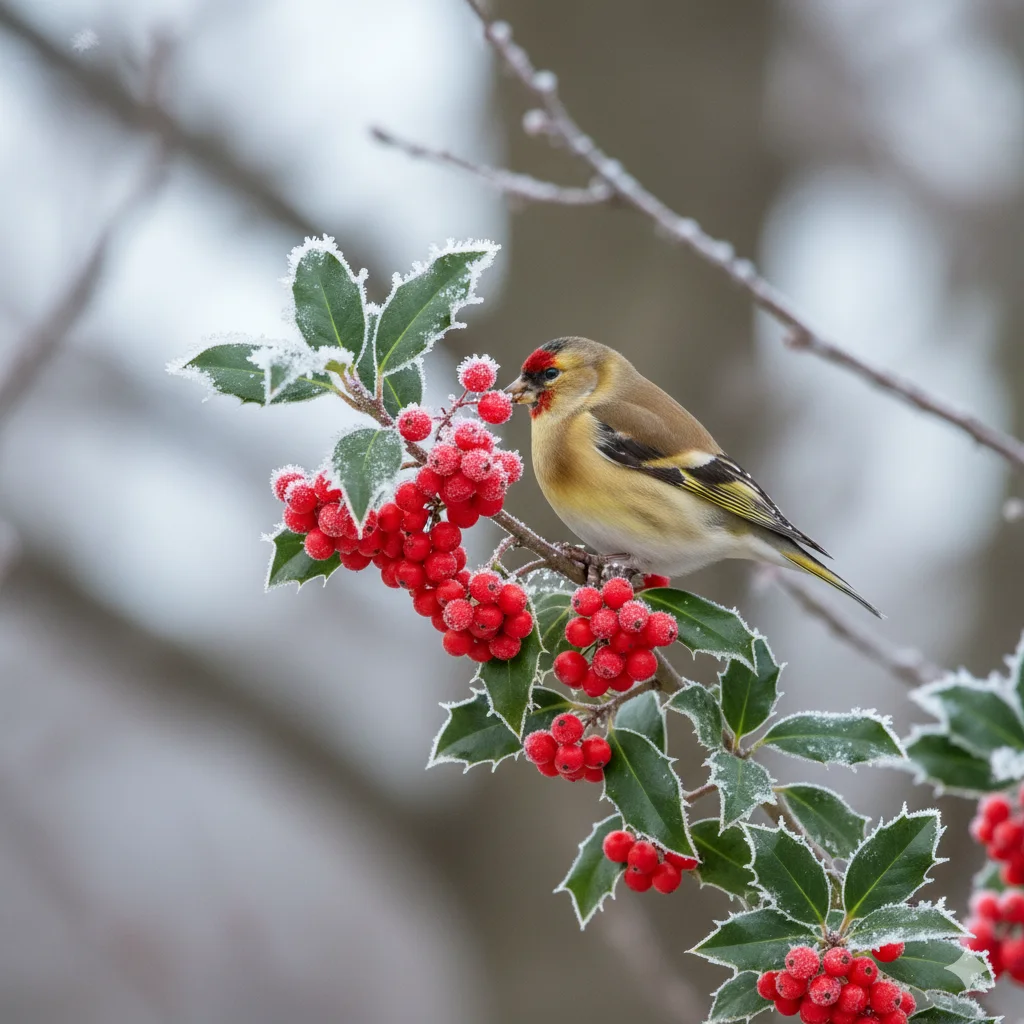
Winter berries bring color and life to an otherwise muted garden. They also attract birds, which adds movement and liveliness. Consider these options:
- Winterberry Holly (Ilex verticillata): Bright red berries shine against bare branches.
- Cotoneaster: This low-growing shrub produces clusters of orange or red berries throughout winter.
- Snowberry (Symphoricarpos albus): White berries give a frosty, magical look that complements evergreens.
Mixing berry-bearing plants with textured bark and evergreen shrubs creates a garden that’s visually stimulating and ecologically supportive.
4. Ornamental Grasses and Textured Foliage
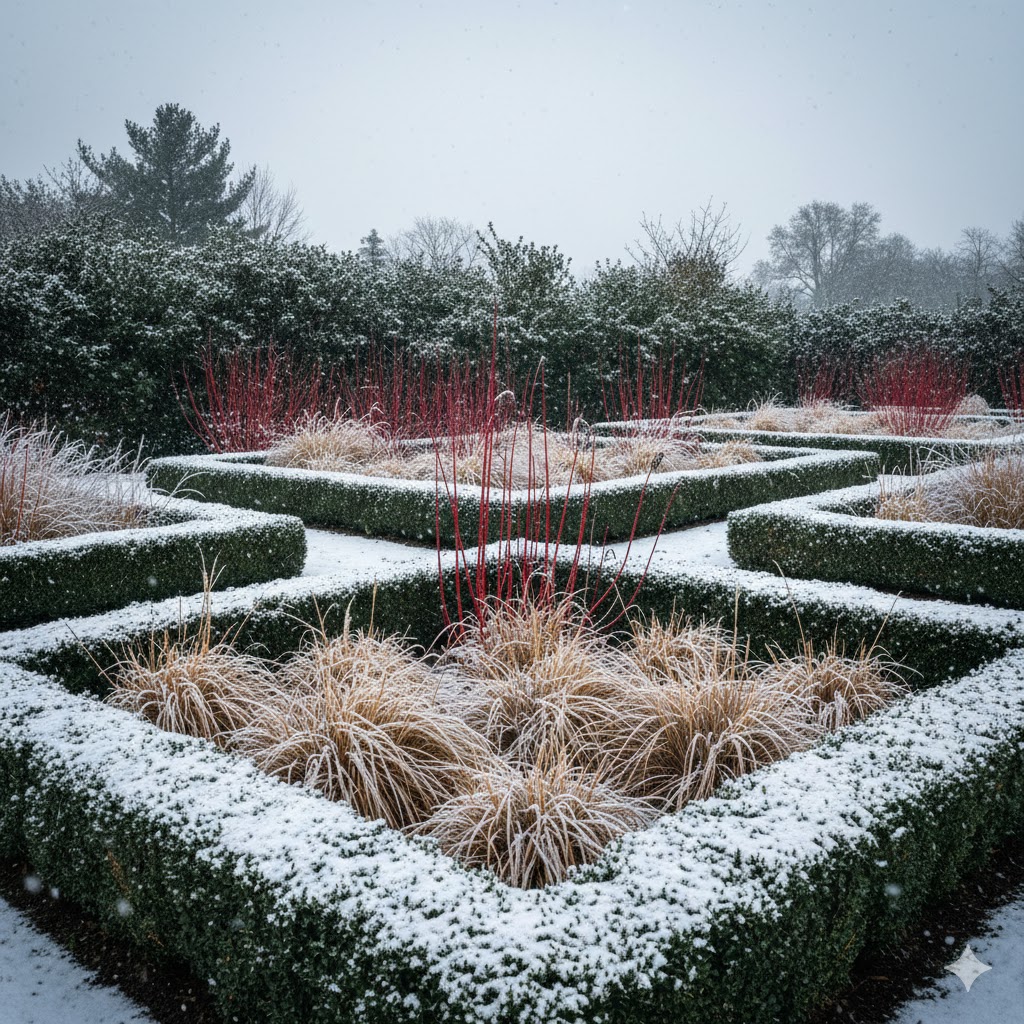
Grasses and textured perennials can survive winter and add movement and softness to your landscape. Frost can enhance their colors, turning them from green to gold, bronze, or deep brown. Top choices include:
- Miscanthus (Maiden Grass): Feathery plumes remain upright through snow and frost, creating gentle motion.
- Carex (Sedge): Offers fine-textured leaves that contrast beautifully with evergreen shrubs.
- Ornamental Bamboo: Cold-hardy varieties provide vertical interest and privacy.
Layering grasses in front of evergreen shrubs or along pathways provides year-round texture and movement in your winter garden.
5. Structural Shrubs and Small Trees
In winter, shape and form become the main attraction. These plants maintain garden structure while offering subtle color and texture:
- Evergreen Magnolia: Glossy leaves and large buds promise spring blooms, while adding green presence in winter.
- Hellebores: Often called Christmas rose, they bloom in late winter with pale pink, white, or purple flowers.
- Camellias: Provide glossy leaves and flowers that can withstand frost in milder climates.
These plants allow your garden to retain a sense of rhythm and focal points, even during dormant months.
6. Designing a Winter Garden
Creating a garden that thrives in winter involves layering different plant types: evergreens for structure, bark and stems for contrast, berries for color, and grasses for movement. Here are tips to make your winter garden visually appealing:
- Contrast Colors: Pair dark green evergreens with red or orange berries.
- Play With Texture: Combine smooth leaves with feathery grasses or rough bark.
- Use Focal Points: Plant one or two trees with striking bark as visual anchors.
- Plan for Wildlife: Berries and dense shrubs provide food and shelter.
Remember, winter gardens are all about subtlety and contrast—even without flowers, you can create a beautiful, layered landscape.
Choosing Plants by Hardiness Zone and Microclimate
The single most useful tool for choosing winter-hardy plants is your hardiness zone. In the United States, the USDA Hardiness Zone Map divides the country into zones based on average annual minimum winter temperatures, and most plant labels list the zones a plant can tolerate. As a rule of thumb, choose plants rated for your zone or a colder one — a plant hardy to Zone 4 will generally sail through a Zone 6 winter, while a Zone 7 plant in a Zone 5 garden is a gamble.
Yet zones only tell part of the story. Every garden contains microclimates — small pockets where conditions differ from the surrounding area. A south-facing wall absorbs heat during the day and radiates it at night, creating a sheltered spot that may behave a full zone warmer. Low-lying areas, on the other hand, collect cold air and become frost pockets where tender plants struggle. Wind exposure matters too: a site blasted by winter winds dries out evergreens far faster than a sheltered corner.
How to Match Plants to Your Conditions
- Confirm your zone: Check a current hardiness zone map for your ZIP code before you shop.
- Observe your garden: Note which spots thaw first, where snow lingers, and where wind hits hardest.
- Test drainage: Many so-called tender plants survive cold just fine if their roots never sit in wet soil.
- Start with proven performers: Plants that already thrive in neighboring gardens are the safest bet.
When you fall in love with a plant rated one zone warmer than yours, try it in your most sheltered microclimate first — against a south-facing wall, under an eave, or in a courtyard. Gardeners have been cheating zones this way for generations, and thoughtful placement often succeeds where the label suggests it should not.
Winter Care: Mulching, Watering, and Protecting Containers
Winter-hardy does not mean maintenance-free. A little autumn preparation goes a long way toward helping plants emerge healthy in spring. Mulching is the highest-impact task: after the ground freezes, spread two to three inches of shredded bark, straw, or leaf mulch around perennials and shrubs. Applied at the right time, mulch insulates roots against the damaging freeze-and-thaw cycles that heave plants out of the ground. Keep mulch a few inches away from stems and trunks, where trapped moisture can invite rot.
Watering matters just as much. Plants — especially evergreens — continue to lose moisture through winter, and they cannot replace it from frozen soil. Give trees, shrubs, and perennials a deep soaking in late autumn before the ground freezes solid. If winter brings a thaw with dry soil, water again on a mild afternoon so roots can drink before the next freeze.
Protecting Containers and Raised Beds
Plants in pots face winter with one hand tied behind their backs: their roots are exposed to cold air on all sides, with none of the ground’s insulation. Group containers together against a sheltered wall, wrap pots in burlap or bubble wrap, and raise them on pot feet so water drains freely instead of freezing around the roots. In the coldest regions, move prized pots into an unheated garage or shed for the worst of winter — cool and dark beats frozen solid every time.
Choose frost-proof containers made from thick stone, concrete, or fiberglass rather than thin terracotta, which can crack as wet soil expands. And remember that small pots freeze faster than large ones, so size up when planting for year-round display.
Preventing Common Winter Damage
Even the hardiest plants can suffer when winter turns extreme. Knowing what to watch for — and how to prevent it — saves you from spring surprises.
- Frost heave: Repeated freezing and thawing pushes shallow-rooted plants out of the soil. Prevent it with timely mulching and by planting at the correct depth.
- Winter burn: Evergreens lose water through their leaves faster than frozen roots can replace it, turning foliage brown. A deep autumn watering and a windbreak of burlap on exposed sites help.
- Sunscald: Bright winter sun warms bark on the south side of young trees, which then cracks when temperatures plunge at night. Wrap young trunks with tree guards for the first few winters.
- Salt damage: De-icing salt sprayed near paths burns foliage and poisons soil. Shield nearby plants with burlap screens and choose salt-tolerant species for exposed edges.
- Animal browsing: Hungry deer and rabbits prune shrubs in lean months. Fencing or repellent sprays applied before the first snow protect vulnerable plants.
- Snow breakage: Heavy, wet snow snaps branches. Gently brush it off with an upward sweep of a broom — never shake frozen branches.
Walk your garden in late winter with pruners in hand. Remove broken branches with clean cuts, pull back mulch that has matted against crowns, and note which plants sailed through untouched — those are the varieties to plant more of. Winter damage is information; use it to garden smarter next year.
Conclusion
A winter-hardy garden is far from dull. By selecting plants with evergreen foliage, textured bark, colorful berries, and interesting forms, you can create a landscape that delights year-round. Whether it’s a compact city garden or a sprawling country yard, focusing on structure, color, and texture ensures your garden never truly sleeps. Embrace the magic of winter, and let your garden tell a story even in frost and snow.