Wildlife-Friendly Garden in Fall and Winter: A Seasonal Guide
When the crisp air of fall settles in and winter approaches, many gardeners pack away their tools and assume the garden will rest until spring. But your outdoor space can be just as lively and purposeful during the colder months if you choose to make it a wildlife-friendly garden. Creating a welcoming garden for birds, bees, butterflies, and small mammals through fall and winter not only supports biodiversity but also brings beauty and movement to your yard when it might otherwise feel still and bare.
Here’s how to transform your garden into a wildlife-friendly haven during the colder seasons.
Why Fall and Winter Wildlife Gardens Matter
Wildlife faces its toughest challenges during fall and winter. Food becomes scarce, natural shelter declines, and the drop in temperature makes survival difficult. By planning your garden to provide food, water, and shelter during these months, you’re giving local species a fighting chance. In return, you get a garden alive with activity, from birds darting among branches to squirrels stashing acorns, making the colder months feel vibrant.
A wildlife-friendly garden also creates balance. Birds, for instance, help manage pest populations, while pollinators overwintering in your yard will return stronger in spring to help your plants thrive.
1. Food Sources for Fall and Winter Wildlife
One of the most important ways to attract and support wildlife is by providing a steady food supply.
Native Plants and Berries
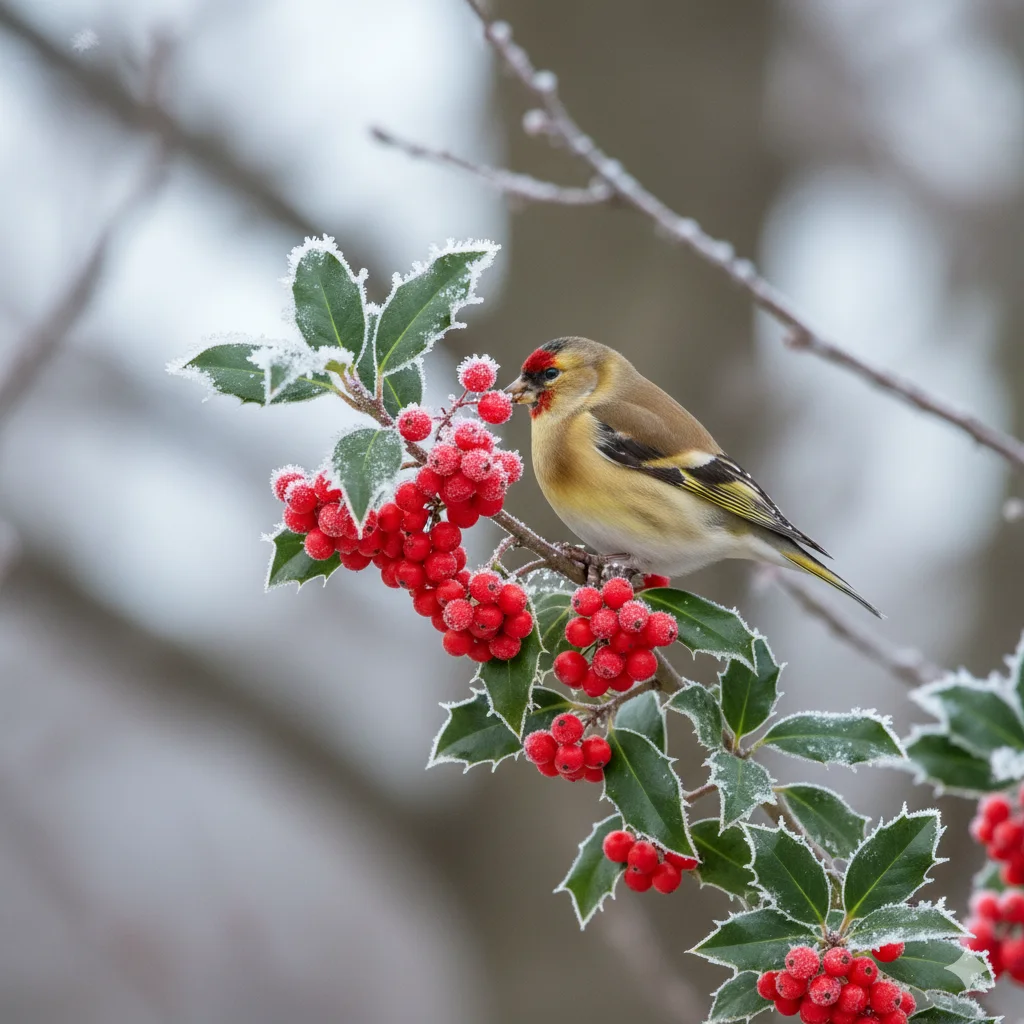
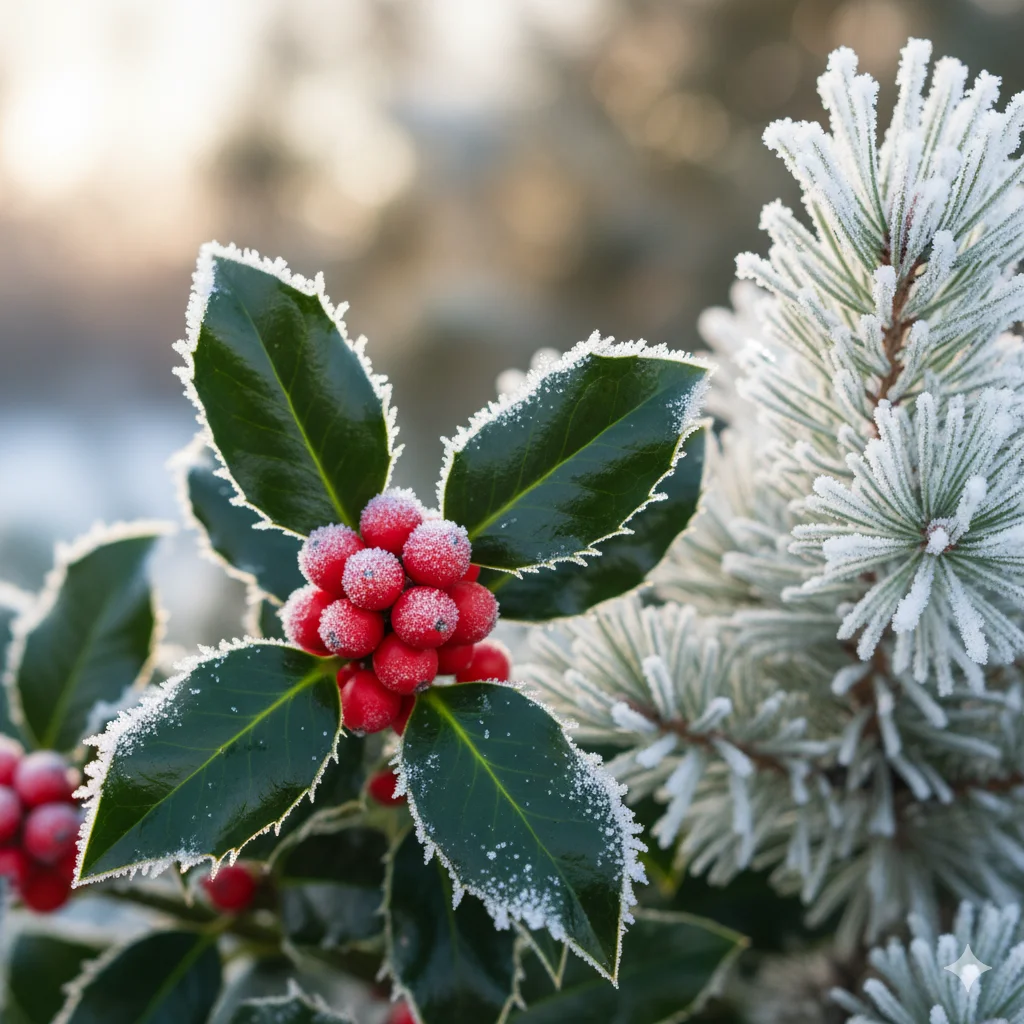
Plant native shrubs and trees that bear fruit into late fall and winter. Options like holly, crabapple, winterberry, and hawthorn not only brighten the garden with their berries but also provide a nutritious food source for birds.
Seed Heads and Grasses
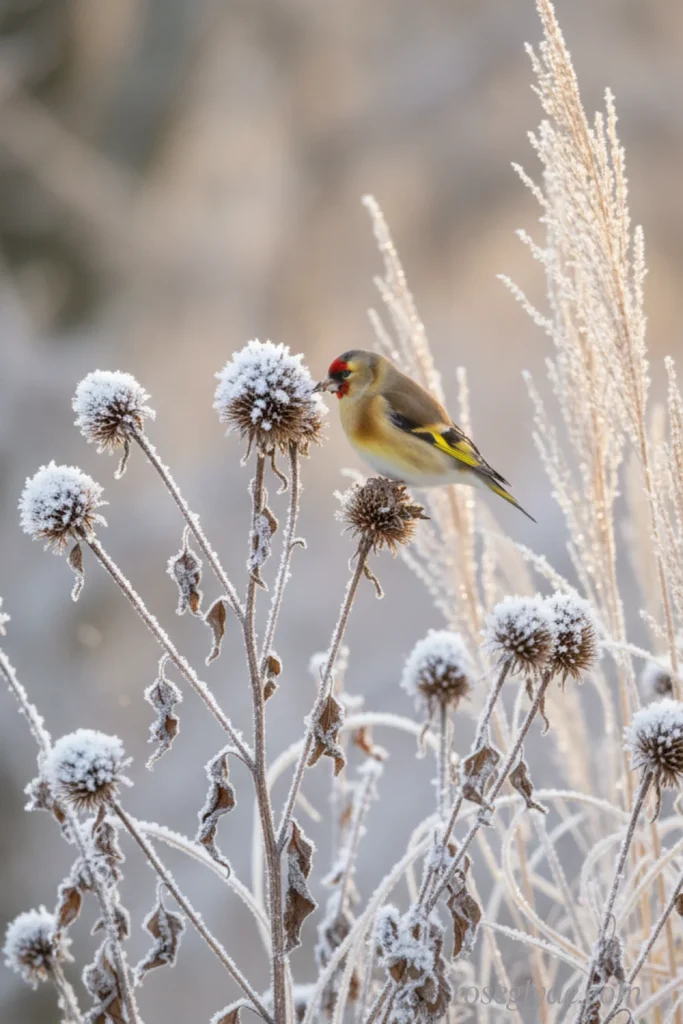
Resist the urge to cut back all your perennials and ornamental grasses. Coneflowers, black-eyed Susans, sunflowers, and switchgrass all produce seed heads that birds rely on in the cold months. Their dried silhouettes also add winter beauty to the landscape.
Feeders for Birds
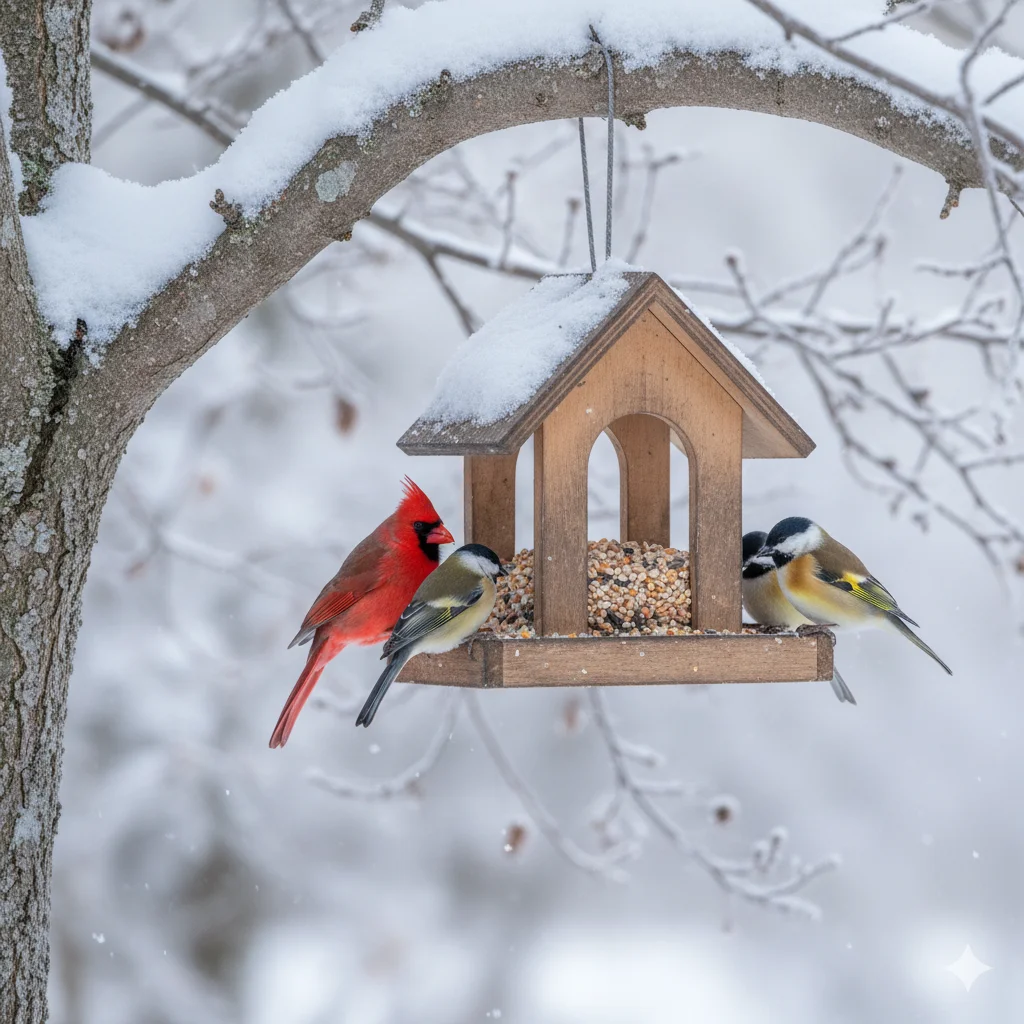
Supplement natural food with bird feeders. Choose a mix of suet, sunflower seeds, peanuts, and nyjer seed to attract a variety of species. Place feeders in sheltered spots to protect birds from harsh winds and predators.
2. Providing Shelter and Habitat
When temperatures plummet, wildlife needs warm, safe places to rest and hide.
Leave the Leaves
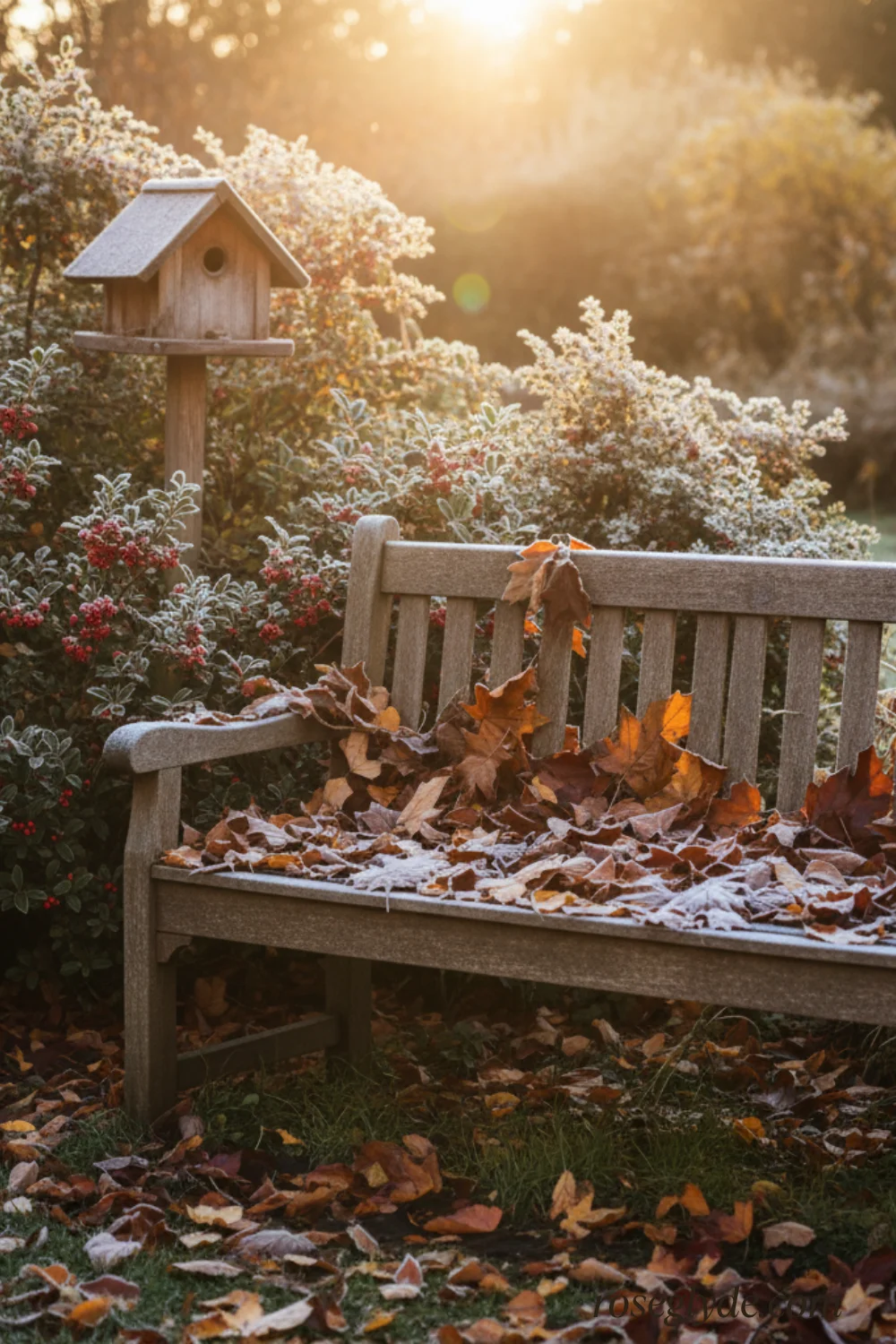
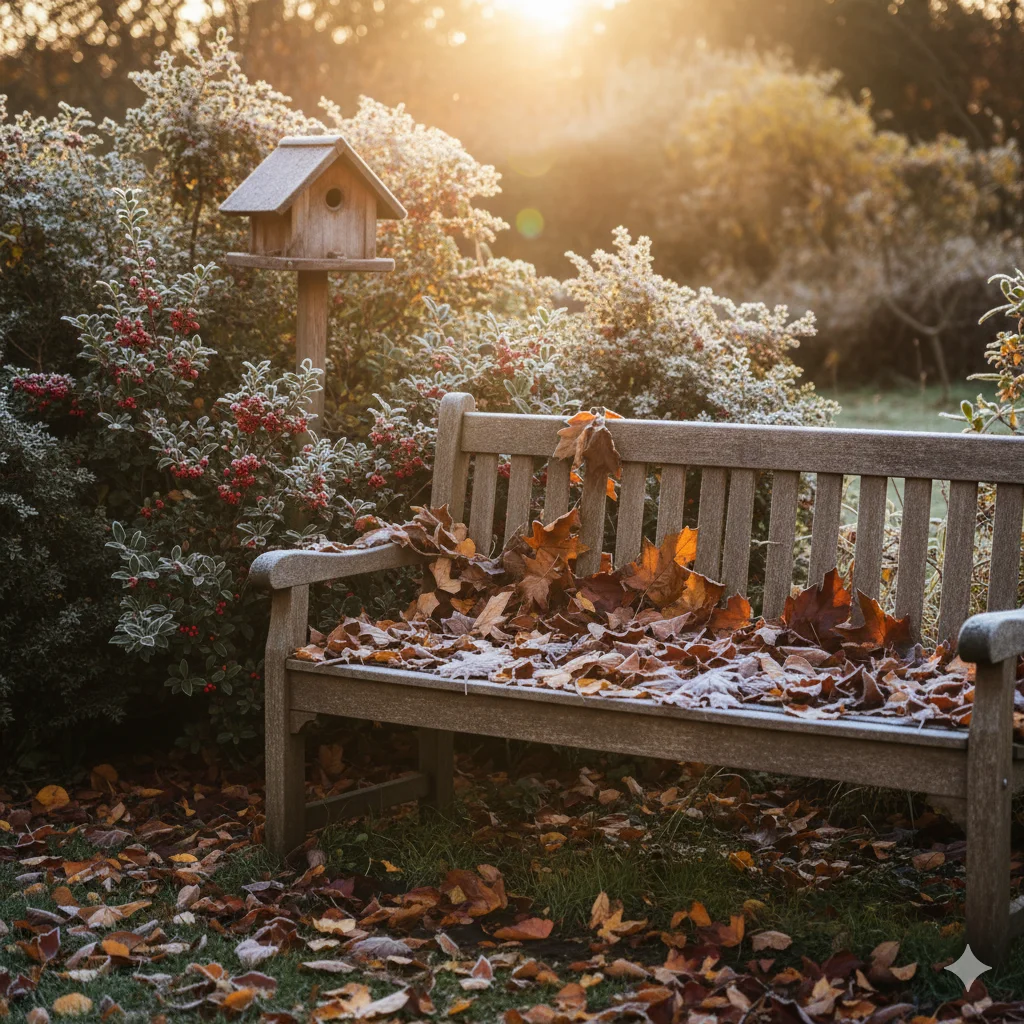
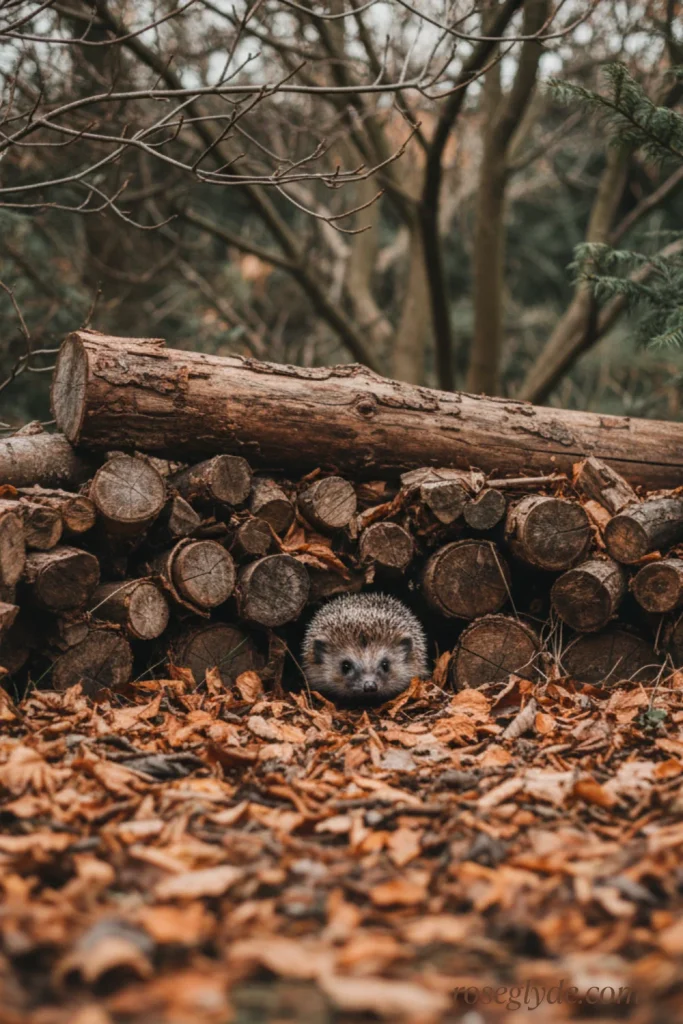
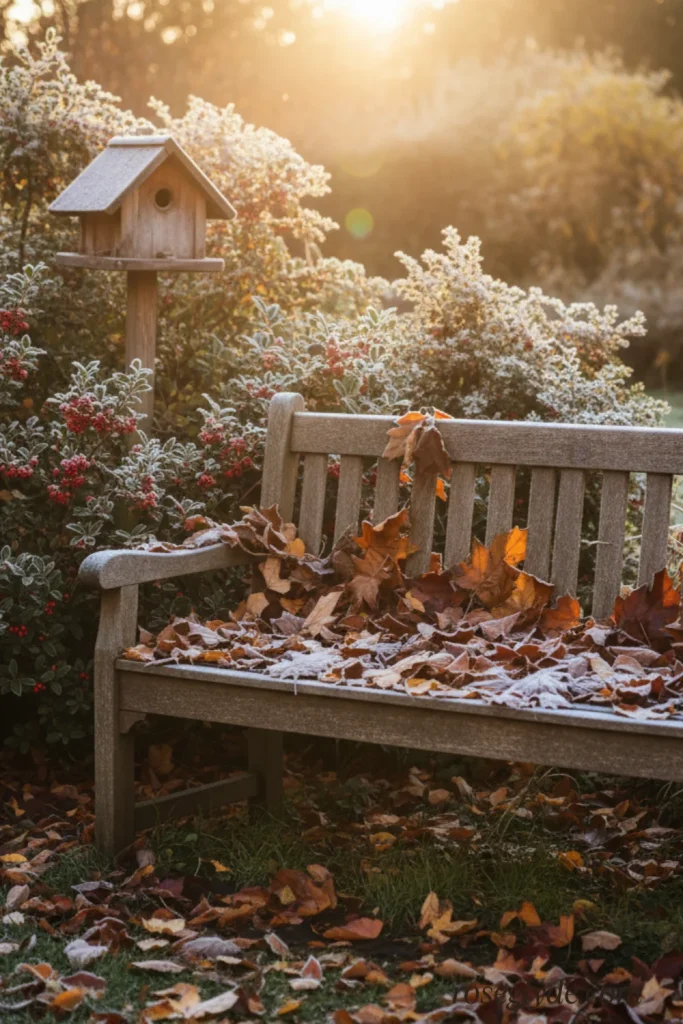
Instead of raking up every fallen leaf, allow some to remain in garden beds or under shrubs. Leaf litter provides insulation for overwintering insects, toads, and hedgehogs. It’s also a natural mulch that protects soil.
Log Piles and Brush Heaps
Stack fallen branches or logs in a quiet corner of your garden. These create microhabitats for insects, amphibians, and small mammals. They also serve as foraging areas for birds searching for hidden bugs.
Evergreen Plants
Planting evergreens like junipers, pines, or hollies gives birds year-round shelter from cold winds and predators. Their dense foliage creates a safe haven during snowstorms.
3. Water: The Essential Element
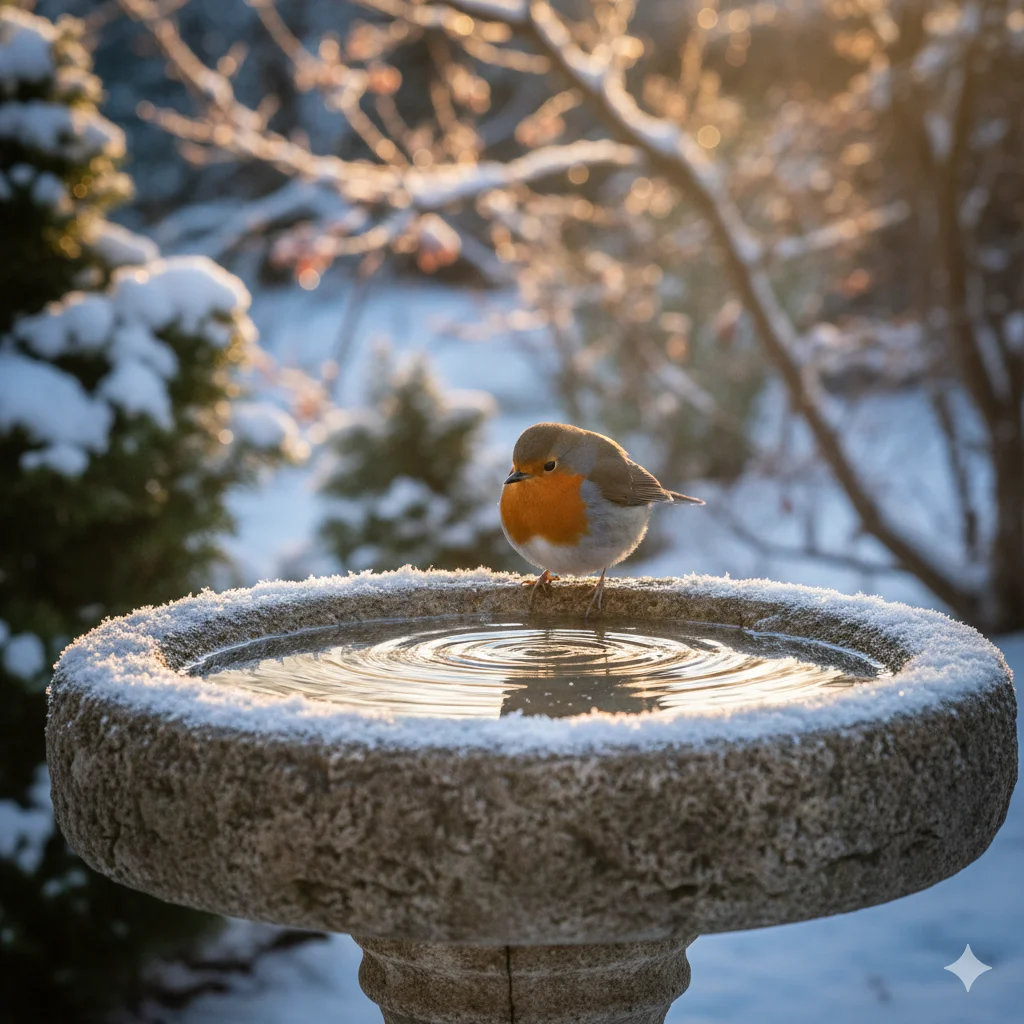
It’s easy to forget that wildlife needs fresh water even more during the winter. Natural sources often freeze, so providing a small birdbath or shallow dish of water can make your garden a lifeline.
- Use a heated birdbath or place a small heater in a water feature to prevent freezing.
- Place water sources near shrubs or trees for cover.
- Refill regularly to ensure it remains clean and unfrozen.
A reliable water source will draw in everything from chickadees and robins to squirrels and foxes, depending on your location.
4. Rethinking Garden Clean-Up
Traditional fall cleanup involves clearing away leaves, cutting back plants, and leaving bare soil. While tidy, this approach eliminates much of the habitat wildlife depends on. Instead:
- Leave seed heads standing until spring.
- Delay cutting back perennials so insects can overwinter in stems.
- Keep some piles of leaves where beneficial insects, butterflies, and small mammals can shelter.
A slightly wilder look is not only more beneficial but also creates a cozy, natural aesthetic in your yard.
5. Attracting Birds and Pollinators
Bird Boxes
Install nesting boxes for species like chickadees, wrens, and nuthatches. Even in winter, these boxes provide roosting sites where birds can huddle together for warmth.
Pollinator Hotels
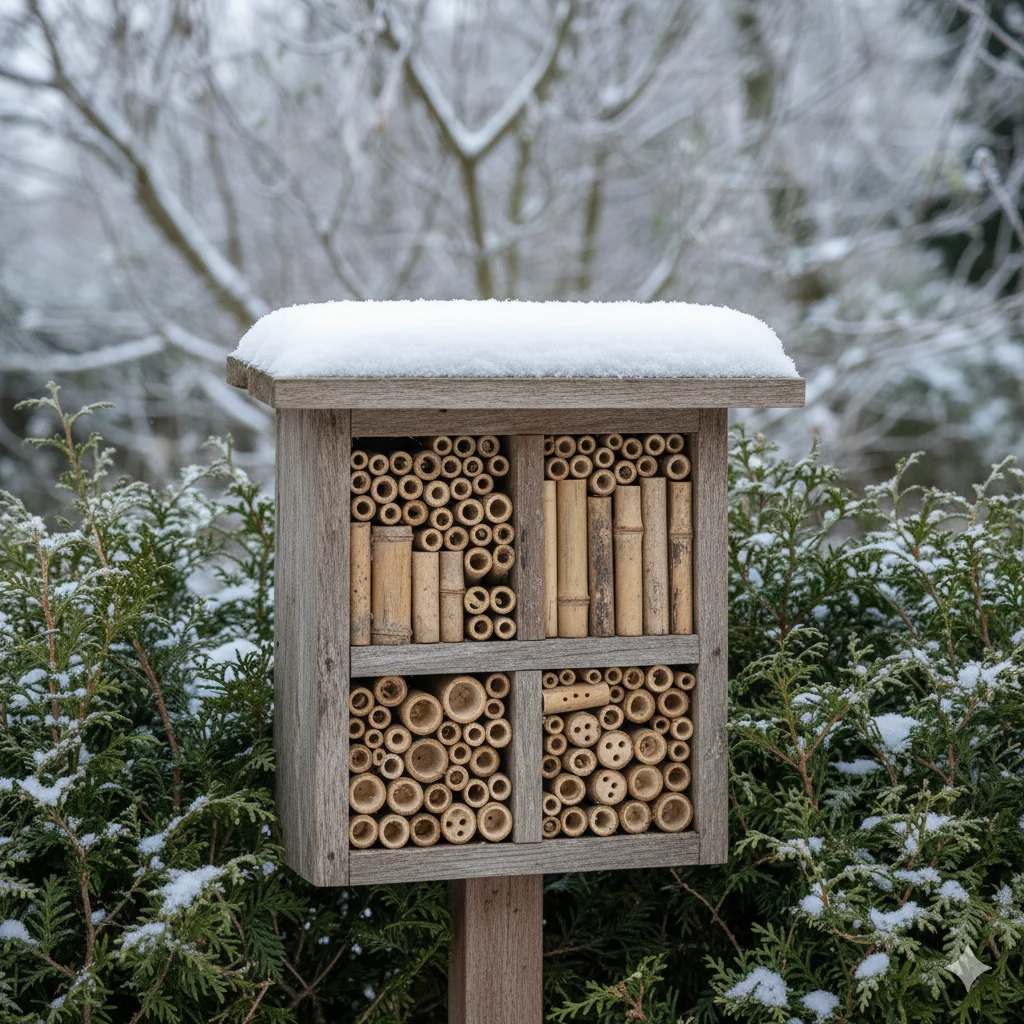
Create bee hotels or leave bundles of hollow stems for solitary bees to overwinter. Though bees are less active in winter, many species rely on garden structures to survive until spring.
6. Seasonal Plants for Fall and Winter Interest
Choosing plants that provide both beauty and function ensures your garden looks alive even in winter.
- Holly, winterberry, and pyracantha for colorful berries.
- Evergreens for structure and shelter.
- Witch hazel for winter flowers that still attract pollinators on mild days.
- Native grasses for movement and seed availability.
These plants not only serve wildlife but also ensure your garden remains visually engaging year-round.
7. Benefits Beyond Wildlife
A wildlife-friendly garden is rewarding for you, too. Watching birds, squirrels, and butterflies adds joy during the darker months. The sounds and activity bring life to an otherwise quiet season, reducing the sense of dormancy in the landscape.
Gardens designed this way also encourage children and visitors to connect with nature, teaching them about the importance of biodiversity and seasonal cycles.
Final Thoughts
Creating a wildlife-friendly garden in fall and winter is about balance—meeting the needs of local species while enjoying a thriving, beautiful landscape year-round. By offering food, shelter, and water, you transform your outdoor space into a sanctuary for animals who struggle most in colder months.
The payoff? A garden that never sleeps, a constant reminder of the interconnectedness between humans and nature, and a celebration of life in every season.
Wildlife-friendly garden explained by Professor Justin Dillon
Common Mistakes That Drive Wildlife Away
A few common habits can quietly undo the good work of a wildlife garden. Tidying too thoroughly is the most frequent one: clearing every fallen leaf, dead stem, and log removes the shelter and food that insects, birds, and small mammals depend on through the cold months. Cutting back all seed heads at once has the same effect, so leave some standing until spring.
Bright outdoor lighting left on all night can disturb feeding and resting patterns, and very short, bare lawn edges offer nothing to eat or hide in. Windows near feeders can also be a hazard for birds, so place feeders either very close to the glass or well away from it. Small changes in routine usually fix most of these problems.
Starting a Wildlife Corner on a Small Budget
A wildlife corner does not need a big budget. Start with what the garden already offers: a pile of prunings in a shady spot, a patch of leaves left where they fell, and a shallow dish of water on the ground. These cost nothing and help right away, because shelter, leaf litter, and water are what most visitors need first.
Spend money only where it stretches furthest. A few packets of native flower and herb seeds, left to self-sow, give seasons of food for pollinators, and a simple bird feeder can be filled with modest seed mixes. Offcuts of untreated wood and secondhand pots from neighbors or community swaps can become edging, planters, and insect shelters for very little. Add one thing at a time, watch what uses it, and let the corner grow slowly from there.
Involving Children in a Wildlife Garden
Children are natural wildlife watchers, and a fall and winter garden gives them plenty to look for. Simple jobs suit small hands: scattering seeds for the birds, refilling the water dish, and carrying leaves to the wildlife corner. Short, regular visits work better than long sessions, and warm layers keep everyone happy in cold weather.
Keep activities gentle and supervised. Looking under logs is fine as long as each log is lowered back into place, and watching from a little distance teaches patience as well as respect for the animals. A magnifying glass, a pair of child-sized binoculars if you have them, and a patch of garden they can call their own make the corner feel special.
Keeping a Simple Wildlife Journal
A simple wildlife journal turns casual watching into a small seasonal record. Any notebook will do: note the date, the weather, and what you saw, even if it is only a robin on the fence or fresh tracks in the frost. Short entries are enough, and a quick sketch counts as much as neat handwriting.
Over a season, patterns begin to show. You may notice which plants hold berries longest, when the first frog returns to the pond, or which corner the hedgehog prefers. Those notes make next year easier, because you can protect what worked and improve what did not. The journal also becomes a pleasant reminder of how much life a quiet garden can hold.