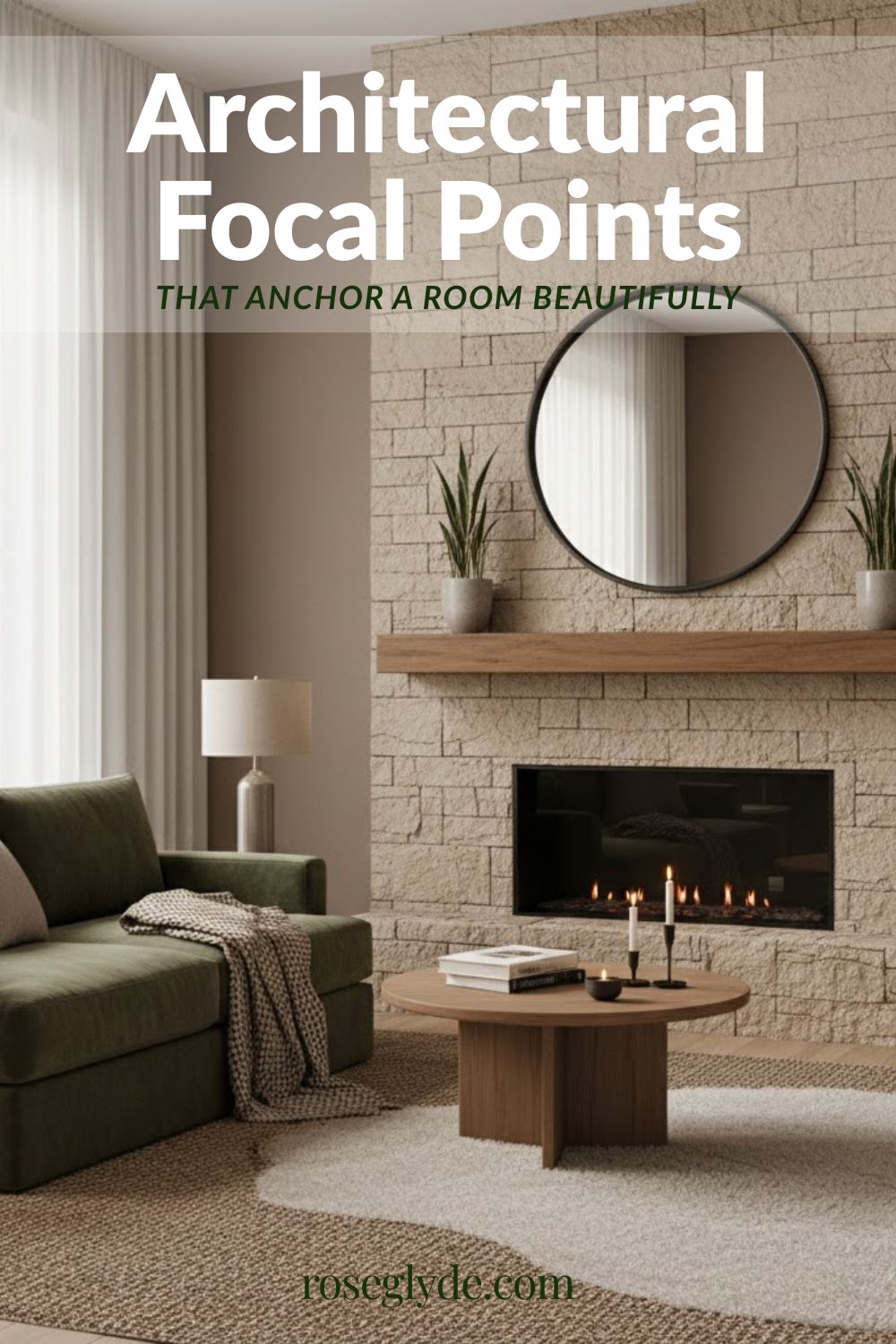
The Importance of Interior Design Focal Point (and What’s In — What’s Out today)
When it comes to interior design, one of the most powerful — yet often overlooked — tools you have is the focal points. A well-chosen Interior Design focal point can transform any room from bland and disjointed into a cohesive, inviting space that both feels intentional and tells a story. In this post, we’ll explore what a focal point really is, why it matters, and how to use it effectively. We’ll also dive into which design trends are elevating focal-point thinking today— and which outdated habits are fading away.
What Is a Focal Point (in Interior Design)?
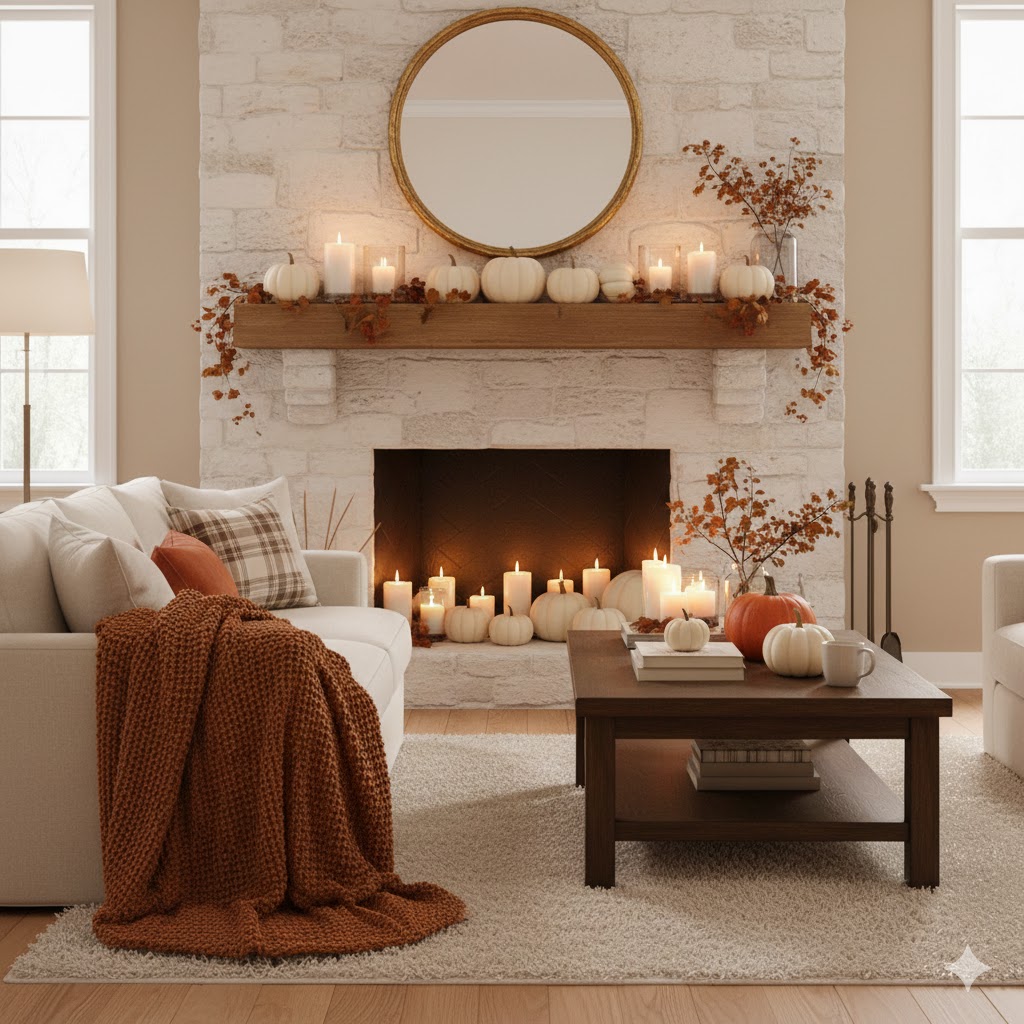
In interior design terms, a focal point is the primary visual anchor in a room — the element that catches your eye when you first walk in and gives the space a sense of purpose and personality.
Focal points can take many forms:
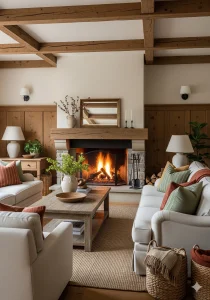
- Architectural features — like a fireplace, a large window, built-in shelving, or a dramatically textured wall.
- Statement furniture or décor — a bold sofa, a sculptural chair, an oversized rug, or a dramatic piece of art.
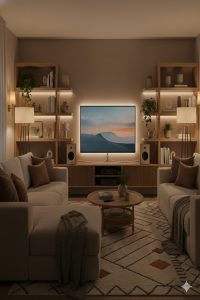
- Lighting and décor accents — such as a striking chandelier, a pendant light, or a wall‑mounted art piece illuminated with spotlighting.
- Color or texture shifts — a richly textured wall, an accent wall painted or wallpapered in a contrasting hue, or a dramatic change in material or finish that draws the eye.
In short: the focal point is the “star” of the room — everything else should support it, not compete with it.
Why Focal Points Matter: More Than Just Pretty
• Creates Visual Harmony and Focus
Without a focal point, a room can feel chaotic or aimless — like a collection of random objects without coordination. A strong focal point gives order and hierarchy. It helps your eyes rest, makes the space feel intentional, and ensures the room doesn’t feel like a jumble of competing decorations.
• Shapes Spatial Flow and Functionality
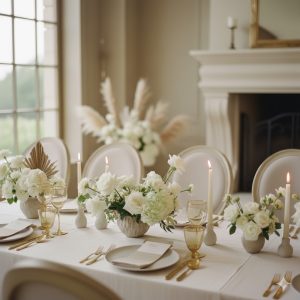
Focal points help define the function of a room. In a living room, a fireplace or media wall might anchor seating; in a dining room, a statement table or chandelier might draw the eye. This anchoring helps guide furniture placement, circulation, and even social interactions.
• Reinforces Style and Mood
Whether you’re going for modern minimalist, cozy farmhouse, vintage eclectic, or something else — your focal point communicates that style intentionally. A bold abstract painting may signal a contemporary vibe; a stone hearth or wooden wall might evoke rustic warmth; a velvet sofa could point to luxe maximalism.
• Adds Personality and Emotional Impact
A focal point doesn’t just anchor a room visually — it can also anchor it emotionally. A meaningful piece of art, a vintage family heirloom, or a striking handcrafted décor item becomes a conversation starter and gives the space soul. It’s where function meets feeling.
According to design inspiration platforms like Houzz, creating a strong focal point is one of the most effective ways to bring balance and visual harmony into a room.
What’s “In” ( Trends That Work Beautifully with Focal Points)
As interior design evolves, certain trends naturally emphasize the power of focal points more than others. Here are some of the biggest ready trends that play well with focal‑point thinking — especially relevant to your cozy, aesthetic home‑décor blog.
– Warm Minimalism & Textured Simplicity
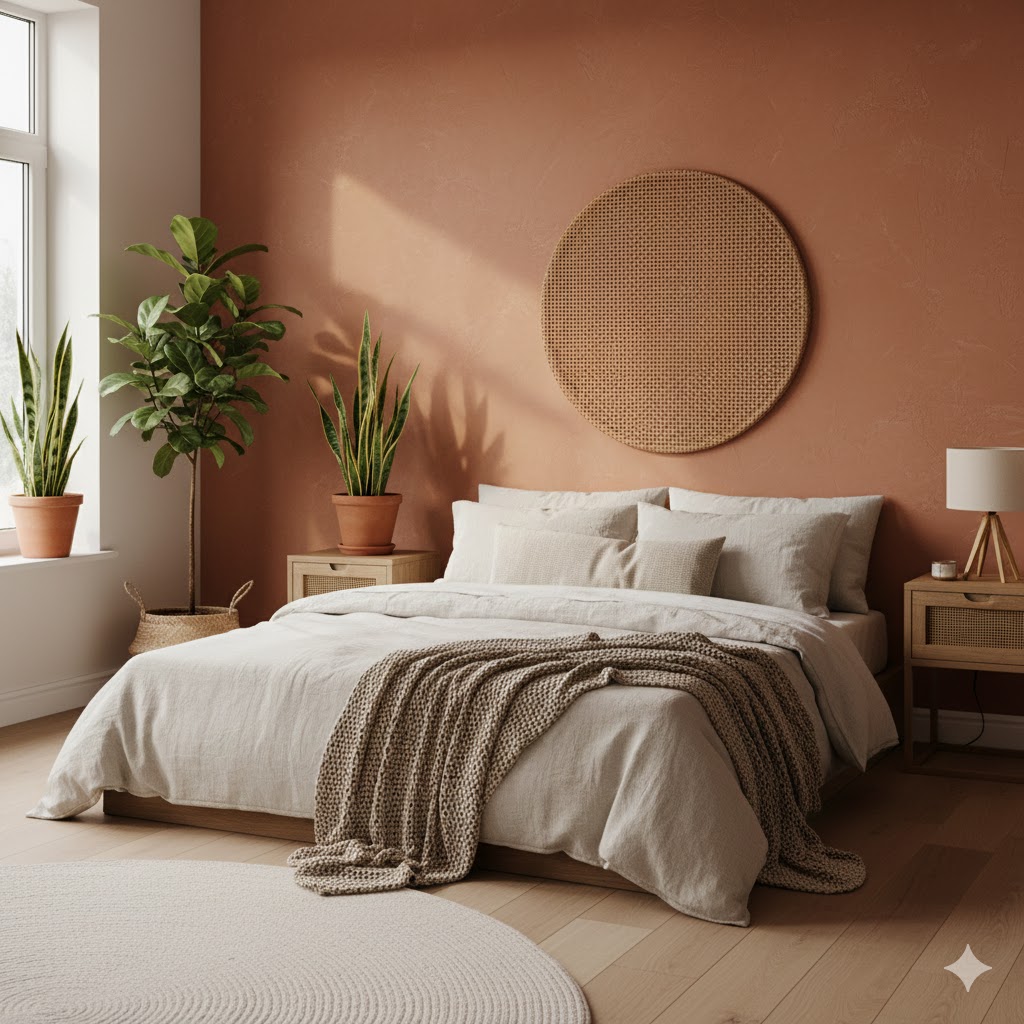
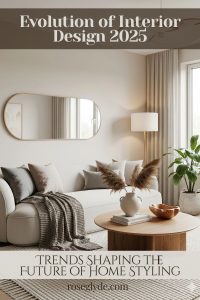
Minimalism isn’t disappearing — but the era of cold, stark, ultra‑white minimalism is fading. The trend is now toward warm minimalism: neutral and earthy tones like beiges, taupes, terracottas, and textured surfaces (wood, limewash, clay, etc.) that welcome the eye and the body. This soft backdrop allows a single focal point — like a sculptural lamp, a statement rug, or a textured accent wall — to shine.
– Bold Statement Pieces & Maximalist Accents
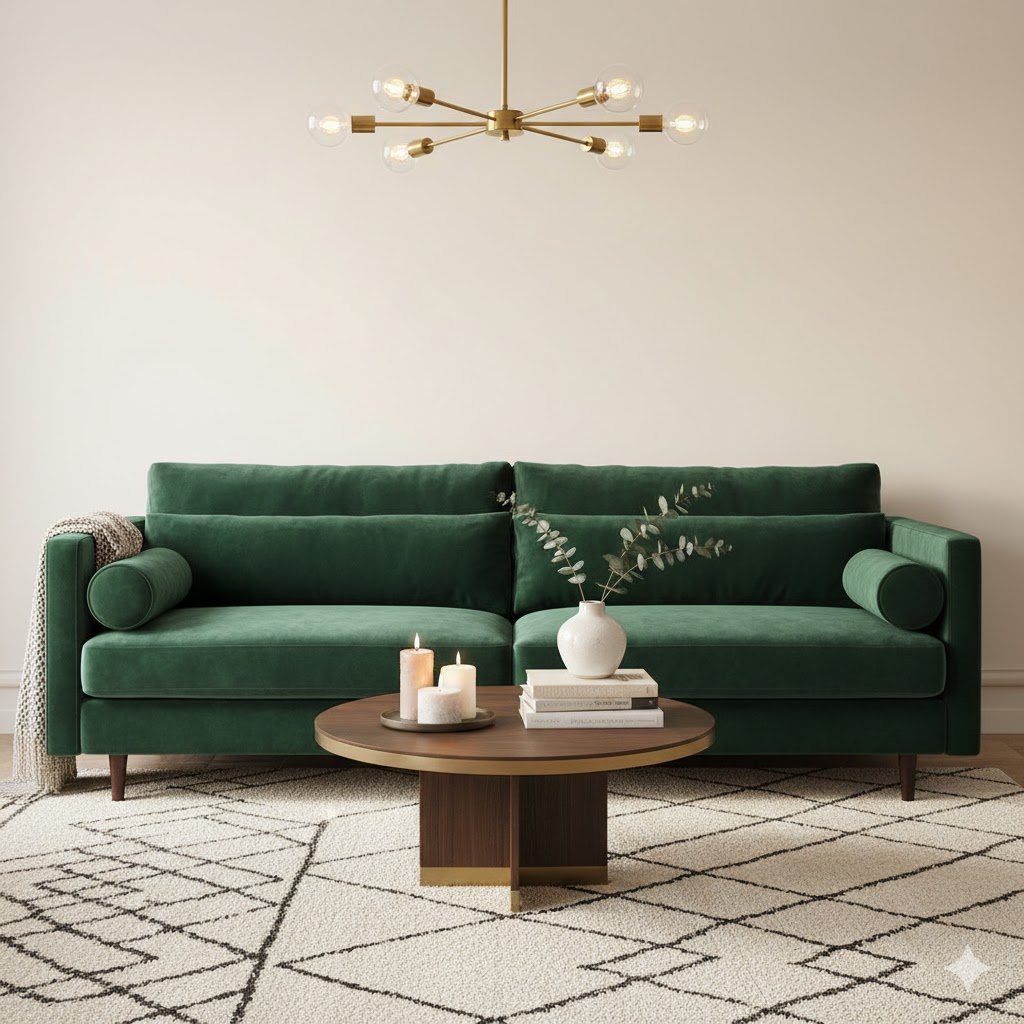
Maximalism and eclectic design are rising again, giving room to bold sofas, vibrant textile patterns, rich color palettes (deep jewel tones, warm earthy hues), and oversized statement furniture. In these styles, focal points are often dramatic — a curvy vintage armchair, a richly upholstered sofa, or a gallery of large‑scale art.
– Biophilic & Natural Materials as Anchors
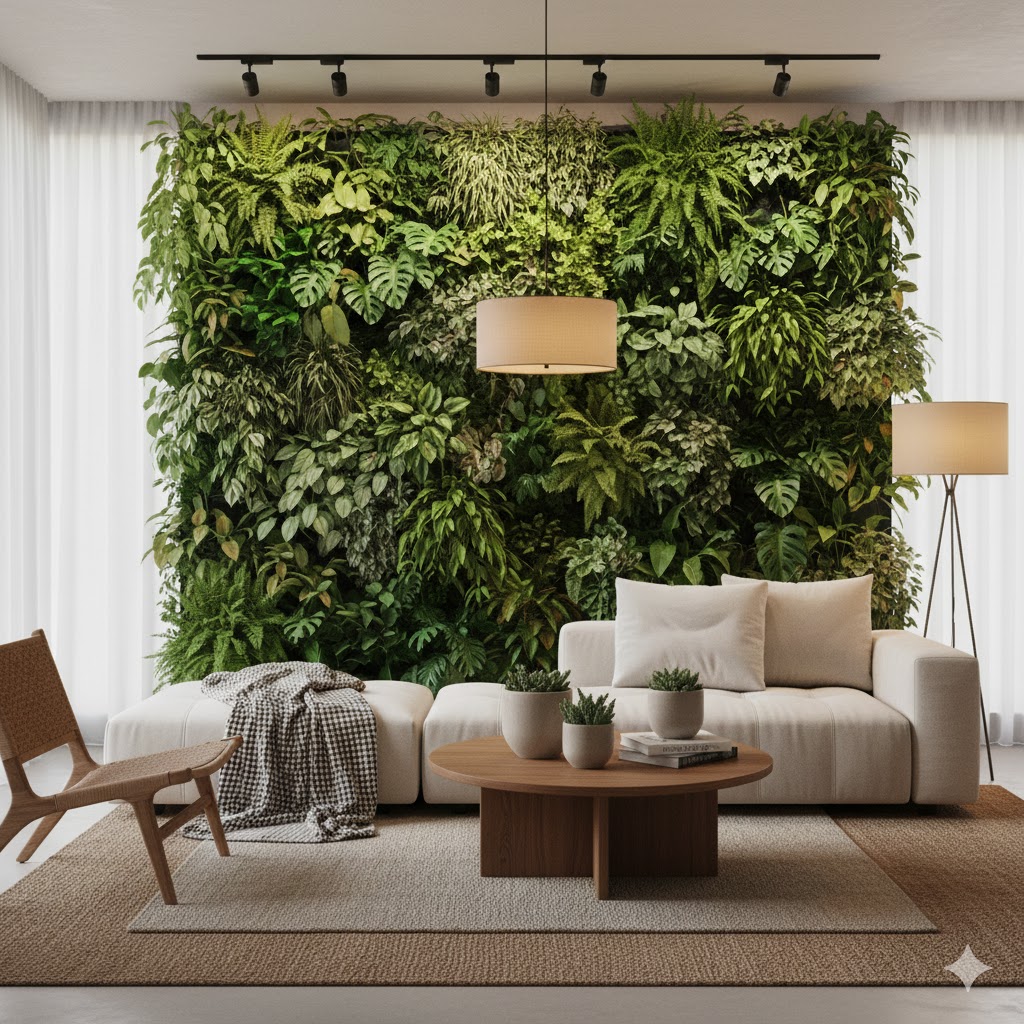
Biophilic Interior Design Ideas for Natural Focal Points with renewed interest in sustainability and well‑being, natural materials — wood, stone, rattan, clay — are becoming central to interiors. A reclaimed wood fireplace, a stone accent wall, or a lush indoor plant placed thoughtfully can serve as powerful focal points that also bring warmth and a connection to nature.
– Lighting & Sculptural Features
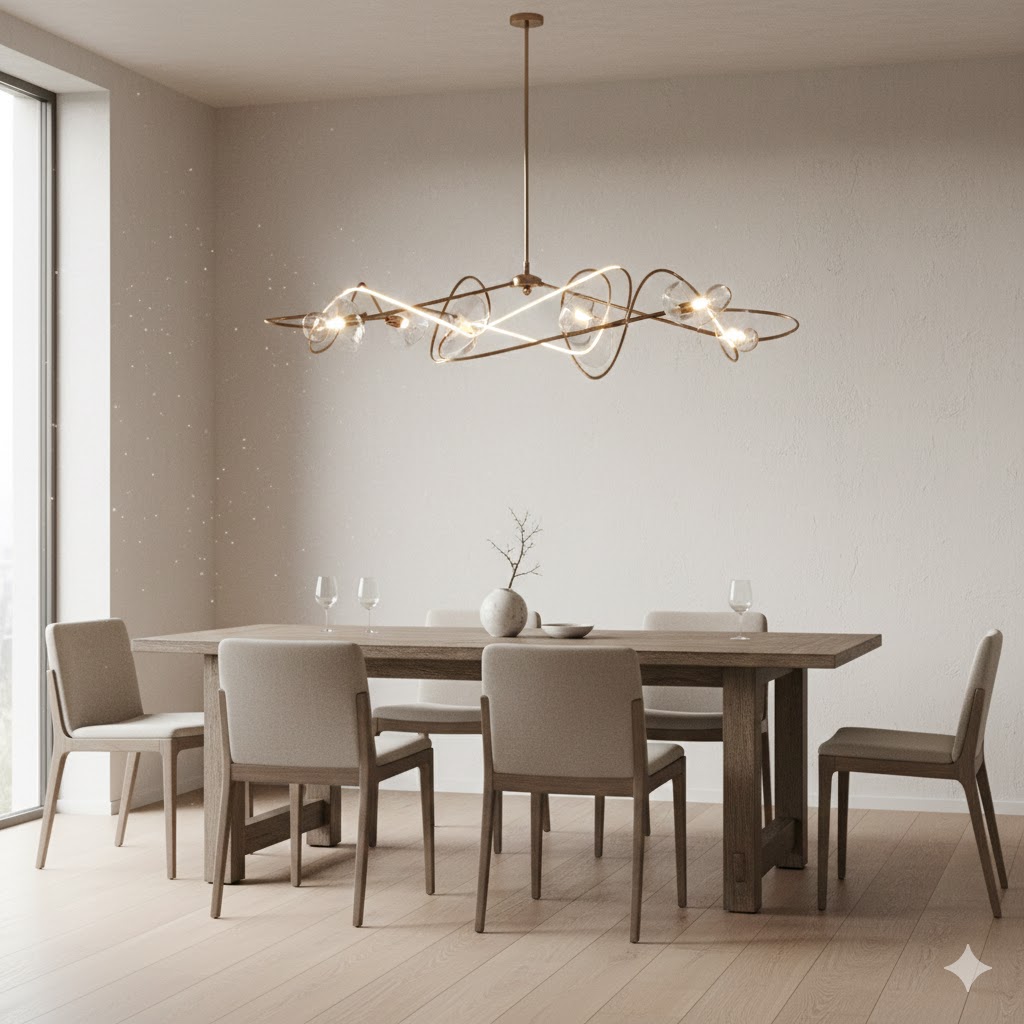
Lighting is no longer just functional — it’s part of the décor. Lighting as a Focal Point is a modern interior design trend. Statement chandeliers, pendant lights, sculptural lamps, or accent lighting over art or architectural features punctuate rooms elegantly. Lighting often becomes the focal point itself or enhances the impact of existing ones.
– Color Drenching & Bold Accent Walls
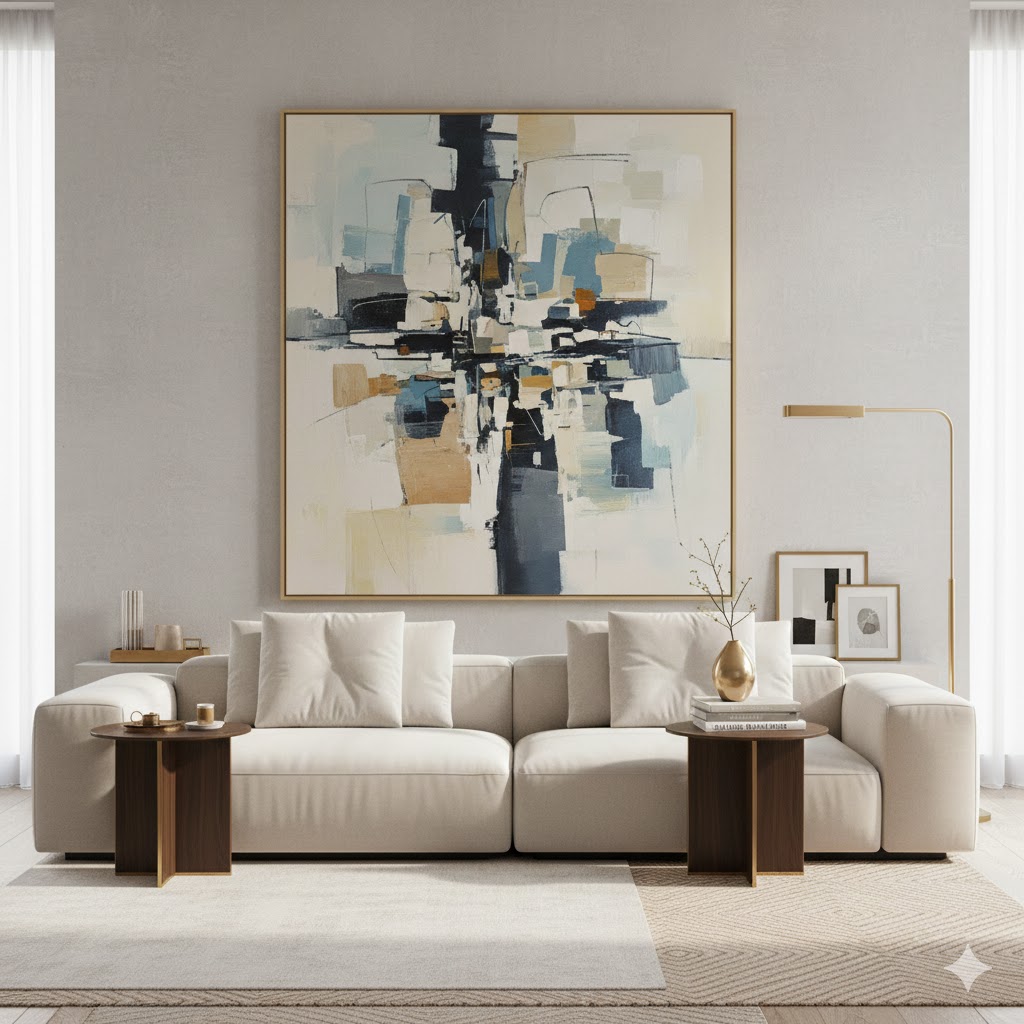
Some 2025 interiors leverage strong single‑color schemes — walls, ceilings, even furnishings in varying shades of the same hue — to create immersive, dramatic spaces. When used with contrast or subtle textural shifts, these can make a single piece or area pop as the focal point. Accent Wall Focal Point can Instantly Elevate Your Space
What’s “Out” (Focal‑Point Mistakes & Outdated Trends to Avoid)
Just as important as knowing what to do is knowing what to avoid. Many popular past trends undermine the effectiveness of a true focal point.
– Overly Minimalist, Cold, and Bare Interiors
Sterile minimalism — think all white, black, or cool‑gray, with no texture or warmth — tends to flatten spaces. Without any strong anchor, such rooms can feel empty and lack personality. This style is rapidly losing ground in favor of warmer, more character‑driven interiors.
– Multiple Competing Statement Pieces
One of the most common design mistakes is too many “stars.” When a room has a bold fireplace, loud wallpaper, neon‑bright furniture, oversized art, and dramatic lighting all at once — none of them stand out. Instead, the space feels chaotic, uncomfortable, and visually noisy.
– Trend‑Chasing Without Proportion or Context
Using statement furniture or trendy décor without considering scale, proportion, or room size can backfire. A massive chandelier in a small room, oversized art in a cramped corner, or bold wallpaper in a space that doesn’t suit dramatic patterns — these choices kill cohesion.
– Ignoring Lighting and Texture
Focal points work best with proper lighting and contrasting textures/materials. A textured accent wall under harsh, flat lighting, or a bold piece of art in dim, generic light — both diminish the potential impact. Skipping thoughtful lighting and texture layering is a missed opportunity.
How to Use Focal Points Intentionally (Especially for Cozy & Aesthetic Homes)
Here are some practical guidelines — especially suitable for the kind of cozy, Pinterest‑friendly, style‑forward homes your blog often celebrates:
1. Start With One Main Anchor, Then Build Around It
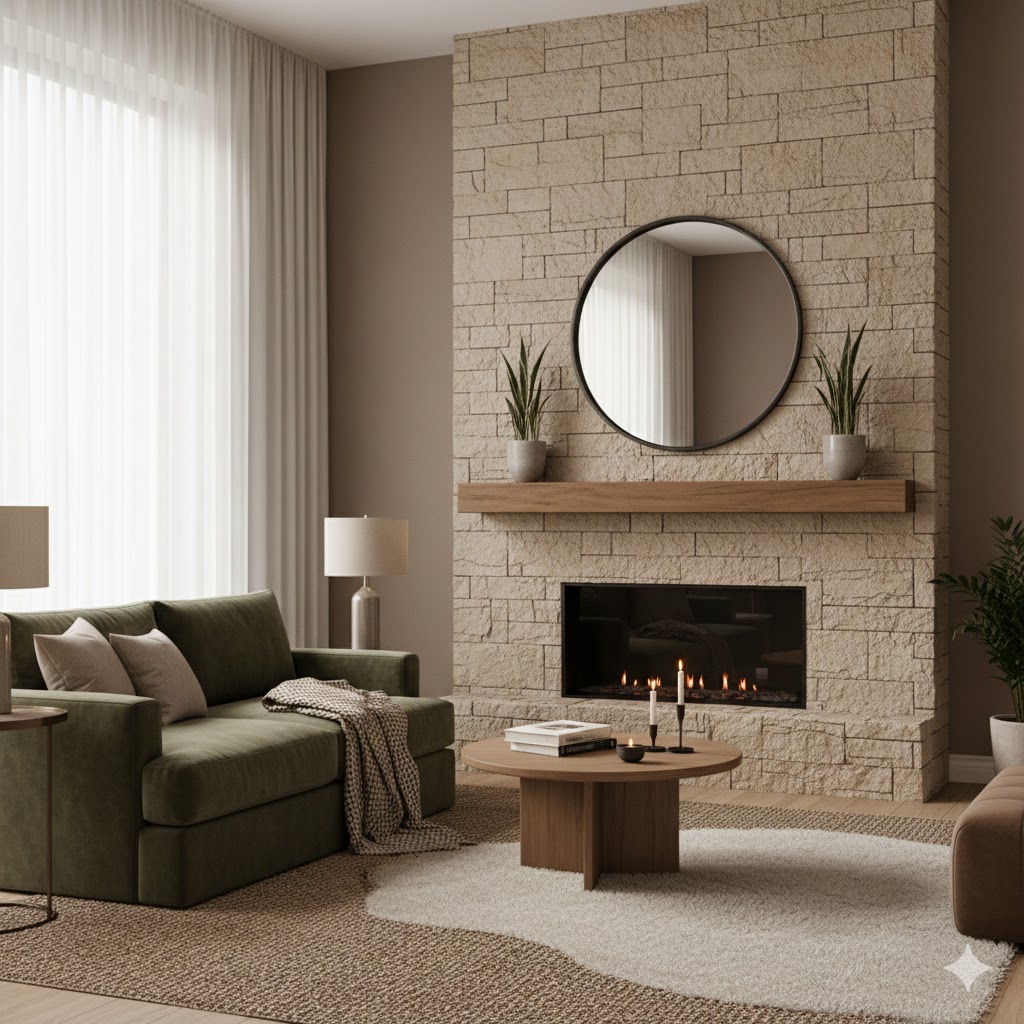
Pick one element as the star — a fireplace, a statement sofa, a large artwork, a dramatic light fixture, or even a color/texture shift. Let everything else support it: neutral walls, simple décor, subtle lighting.
2. Think About Scale and Proportion
Match the size of your focal point to your room. A large feature works best in spacious rooms; in smaller spaces, go for a modest yet bold focal point that doesn’t overwhelm. If you’re working with a small space, simple focal point ideas without a fireplace can still make a big impact.
3. Use Contrast: Texture, Color, and Lighting
Bring in contrast — maybe a velvet sofa against matte plaster walls; perhaps a wooden panel wall behind a bed; maybe a bright accent wall that makes a light fixture pop. Use layered lighting to accentuate the focal point at different times of day.
4. Let Function and Flow Guide You
Arrange furniture so that it’s oriented toward the focal point. Let the focal point define where conversations happen, where people sit, where the eye rests.
5. Embrace Personality — Not Just Trends
A focal point doesn’t need to be expensive or trendy; it needs to reflect the soul of the home. Vintage finds, DIY décor, handcrafted art, meaningful objects — these often make the most charming focal points because they feel personal.
Final Thoughts: Focal Points Are More Than Decoration — They Are the Heart of a Room
Focal points are the secret weapon of great interior design. They give your space structure, personality, and soul. More than that — when used intentionally, they transform a house into a home by creating emotional anchors, meaningful atmosphere, and visual balance.
In 2025, with the revival of warm minimalism, natural materials, bold statement pieces, and personality‑rich styling, focal-point thinking is more relevant than ever. So next time you plan a room revamp, don’t start with accessories or color palettes — start with what will anchor the space. Then build the story of your home around it.
Related
- 10 Home Design Trends You’ll See Everywhere in 2025
- 6 Home Design Trends That Will Be Everywhere in 2025, According to Pinterest
- How to Create a Hand-Painted Accent Wall That Looks Designer-Made