10 Home Design Trends You’ll See Everywhere in 2025
In 2025, home design trends are embracing a harmonious blend of cozy tradition and modern comfort. From English-style kitchens with rich wood and moody colors to narrow wet rooms in compact homes, and the organic curves of rounded furniture forms, designers and homeowners are opting for warmth, personality, and elevated textures. With renovation spending on the rise, these trends are reshaping spaces in both budget-friendly and luxurious ways.
From English-Style Kitchens to Wet Rooms
As we move deeper into 2025, homeowners and interior designers are embracing warm, textured, and character-filled spaces. A recent Houzz report spotlights the ten home design trends—blending nostalgia with modern comfort. Let’s explore each one and what’s driving the shift.
1. English-Style Kitchens Trend
Think cozy, classic charm: rich wooden cabinetry, deep moody blues or forest greens, soapstone or butcher’s block countertops, and large range alcoves nestled under wood-beamed ceilings—creating a curated, lived-in feel. This trend is rooted in timeless aesthetics and evokes warmth—perfect for the heart of the home.

2. Rounded Furniture Forms
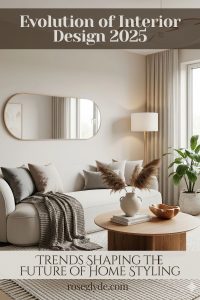
Organic modern is the underlying style here—soft, rounded furniture like bulbous sofas, circular dining and coffee tables, cylindrical legs, and oblong mirrors are increasingly in demand. These curved lines enhance comfort and flow in contemporary spaces.

3. Architectural Arches Trend
Arches are softening interiors everywhere: in doorways, windows, niches, cabinets, mirrors, or headboards with ornate ogee or trefoil profiles. This playful touch adds architectural interest and cozy appeal.

4. Shower Rooms (Spa-like Bathrooms)
These fully enclosed, glass-door shower spaces feel luxurious and private. Houzz notes their rising popularity for incorporating steam, aromatherapy, and chromotherapy in bathrooms. They turn everyday routines into pampering rituals.

5. Range Alcoves in Kitchens
A nod to English-style roots, range alcoves place the stove in a recessed niche—sometimes arched—for visual emphasis and functional backsplash design. It’s an easy architectural upgrade with high visual return.

6. Woven and Mesh Cabinet Fronts
Natural textures like rattan or mesh introduce warmth and detail to cabinetry, breaking up expanses of surface in kitchens, bathrooms, or furniture. It’s a tactile and inviting alternative to traditional solid fronts.

Related Post: Sustainable and Eco-Friendly Living
7. Narrow Wet Rooms
Wet rooms—combining shower and bathtub in one contained zone—are being creatively re-imagined in narrow or compact spaces. Placing the tub at the room’s rear with a shower upfront offers a luxe feel that defies tight layouts. This is especially valuable for urban homes where square footage is at a premium.

8. Wood-Infused Architectural Warmth
Cool whites and grays are declining in favor of warmer creams, tans, browns, and earthy tones. Architecture is embracing warmth—wooden ceiling beams, trim, paneling, posts, and cabinetry infuse character and comfort.

9. Layers of Color, Pattern & Texture (Maximalism)
Maximalist design thrives in 2025: bolder colors, layered patterns, and diverse textures—think patterned wallpapers, richly colored paneling, and vibrant textiles—are gaining traction as a personal expression of style and joy.

Related Post: The Psychology of Color in Eclectic Maximalist Interiors
10. Multiple Outdoor Cooking Options
Outdoor culinary spaces are leveling up—beyond a simple grill, homeowners are adding pizza ovens, smokers, kamado-style barbecues, and gaucho grills. These setups promise more dynamic entertaining and gourmet al fresco experiences.

Related Post: Outdoor Living Trends Kitchens, Lounges, Firepits for the Perfect Garden
Why These Home Design Trends Matter
- Renovation spend is climbing: Homeowners continue to invest in updating their kitchens and bathrooms, and high-end renovations are setting the pace for the wider market. Houzz
- Kitchen & bathroom demand remains strong: Kitchens and bathrooms remain the most renovated rooms in the home, with bathrooms now drawing just as much attention as kitchens.
- Renovation spending has surged: Renovation budgets have grown substantially over the past decade, as more homeowners choose to improve the homes they already have instead of moving. Axios
- Kitchen remodel trends: Transitional style leads kitchen design, with traditional looks also gaining ground. Long islands are a popular addition, vinyl and hardwood floors are preferred, and black countertops and glass-front cabinets are gaining popularity. Real Simple
From timeless classics to emerging aesthetics, our decor trends category is filled with fresh ideas to help you create a beautiful home.
Choosing Which Trends Fit Your Home and Lifestyle
Start with how each room is actually used, rather than how a trend looks in a photograph. A comfortable, practical space that suits daily routines will feel more welcoming than a room copied piece by piece from somewhere else. Think about who uses the space, what happens there through the day, and which corners already work well. Trends that support those habits, such as relaxed seating, layered lighting, or better storage, are the ones most likely to earn their place and remain enjoyable over time.
Next, look honestly at light, size, and layout before choosing a direction. Deep, moody color can feel rich in a bright room yet heavy in a shaded one, while generous rounded furniture softens a spacious room but crowds a compact one. Hold samples against the wall, notice them as the light changes, and adapt the idea to the room in front of you. That adjustment is not a compromise. It is how a popular look becomes a personal one.
Mixing a New Trend with Timeless Pieces
A room feels settled when new pieces have something familiar to lean on. Keep the enduring elements, such as a well made table, a favorite chair, or simple curtains, and let the trend arrive through smaller, easier changes around them. A rounded mirror above a classic dresser, an arched lamp beside a plain sofa, or a fresh color on an old cabinet keeps the room grounded while the mood shifts in a clear, gentle way.
Balance comes from repetition rather than matching sets. Repeat a color, a material, or a shape in a few places so the new piece feels expected instead of sudden. Leave breathing room between statement pieces, and let plain surfaces calm the busier ones. When everything has to shout, nothing stands out. When older and newer pieces share a tone or a texture, the room reads as collected, layered, and comfortably lived in.
Updating One Room at a Time
Updating a home in stages keeps the work manageable and the decisions clearer. Begin with the room that feels most tired or gets the most use, and finish it properly before moving on. A completed room gives everyone a place to relax while work happens elsewhere, and it also becomes a reference for color, texture, and mood when the next room is planned. Partial updates scattered through every room can feel unsettled for far longer.
Within the chosen room, decide the order before buying anything. Walls and large surfaces usually set the background, furniture shapes the layout, and smaller pieces bring the character at the end. Living with each stage for a short while makes the next choice easier, because gaps become obvious and impulse purchases become less tempting. A steady order protects both the look of the room and the energy of the people doing the work.
Trend Updates on a Real Budget
Many of these looks can be suggested rather than rebuilt. Paint is the hardest working update of all, because a warm neutral or a deep accent color can change the whole mood of a room in a weekend. Textiles come next: cushion covers, throws, and curtains in richer tones or woven textures echo the layered direction without replacing furniture. Rearranging what is already owned costs nothing and often reveals a better layout than the familiar one.
Small swaps carry the trend further. New cabinet handles, a woven basket, a rounded vase, or a warmer lampshade can nod to the current styles while the larger pieces stay put. Shop the home first, moving objects between rooms before buying anything new, and keep a simple list so purchases solve a real gap. Gradual changes made with intention usually look more personal than a room replaced all at once.
Making Separate Updates Feel Like One Home
When rooms are updated at different times, small threads can tie them together. Choosing a shared accent color, a repeated wood tone, or a similar metal finish gives each space a quiet connection to the next. The thread does not need to appear everywhere. A cushion color echoed in hallway art, or the same warm metal on lamps in adjoining rooms, is enough for the eye to sense continuity.
Keep the backdrop calm and consistent where possible, so bolder rooms do not compete with each other. Similar flooring tones, plain window treatments, and uncluttered surfaces act as pauses between stronger statements. Then let each room keep its own character within that calm frame. A home that shares a few steady choices feels gathered and intentional, even when its rooms were finished in different seasons and different styles.