
How to Keep Your Home Cool Naturally: Practical Ways to Stay Comfortable Without Relying on Air Conditioning
When summer temperatures climb, many homeowners immediately turn to air conditioning. While AC is effective, it can also lead to higher electricity bills and increased energy consumption. The good news is that there are many natural ways to keep your home cool that are affordable, eco-friendly, and surprisingly effective.
If you’re wondering how to keep your home cool naturally, this guide shares practical strategies that interior designers, energy experts, and experienced homeowners use to reduce indoor heat while creating a more comfortable living environment.
Whether you live in a small apartment, a family home, or a sunny townhouse, these simple techniques can help you enjoy a cooler home all summer long.
Table of Contents
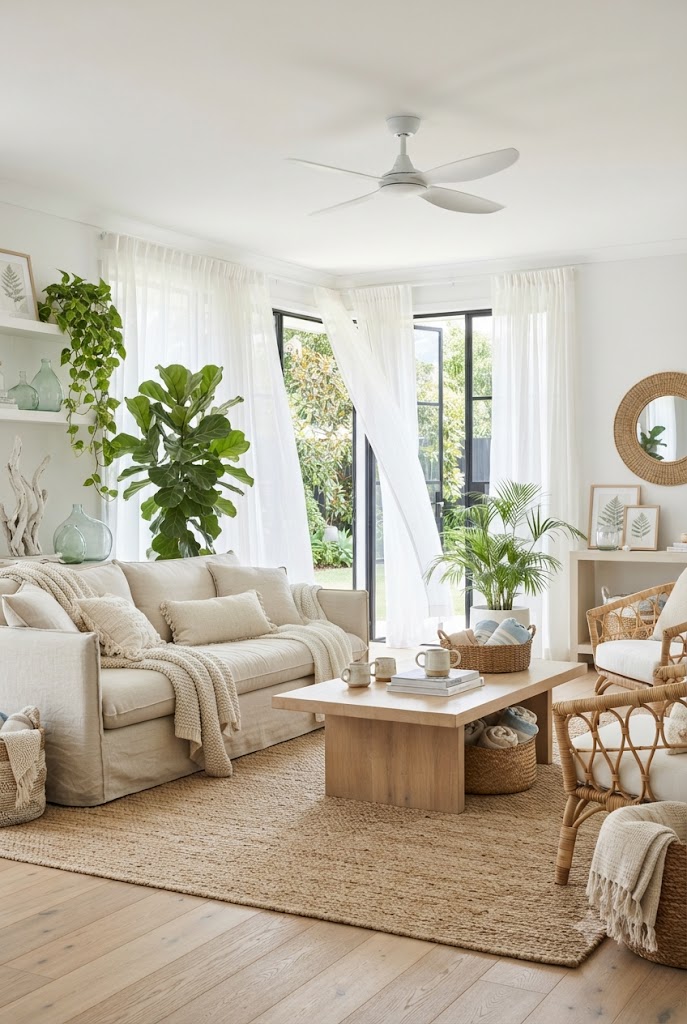
Why Homes Get Hot So Quickly
Before trying to cool your home, it helps to understand where the heat comes from.
Most indoor heat enters through:
- Windows exposed to direct sunlight
- Dark roofing materials
- Poor attic insulation
- Heat-producing appliances
- Lack of airflow
- Warm outdoor air entering through gaps
By reducing these heat sources, you can naturally lower indoor temperatures without constantly running the AC.
1. Block Sunlight Before It Enters
One of the easiest ways to keep your home cool naturally is preventing sunlight from heating your rooms.
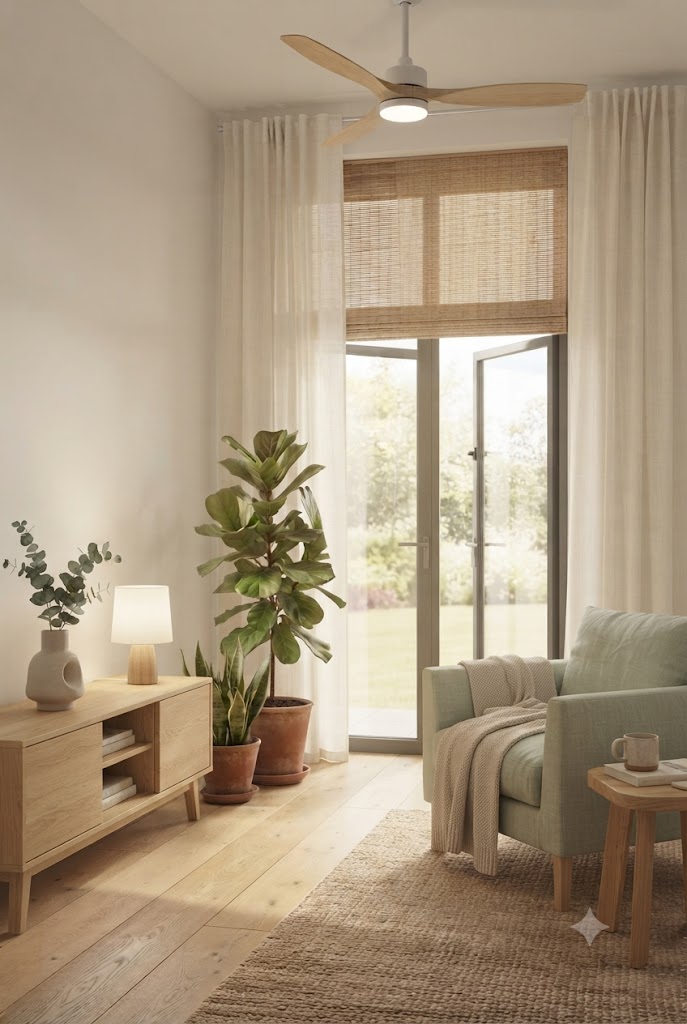
Practical Tips
- Close curtains before the afternoon sun reaches your windows.
- Use blackout curtains in bedrooms.
- Install thermal or insulated curtains for better heat protection.
- Exterior shades and bamboo blinds work even better because they stop heat before it reaches the glass.
- Keep south- and west-facing windows covered during the hottest hours.
Designer Tip: Light-colored curtains reflect more sunlight than dark fabrics and can noticeably reduce indoor heat.
2. Create Cross Ventilation
Fresh airflow is one of the oldest and most effective cooling techniques.
Open windows on opposite sides of the home during cooler parts of the day.
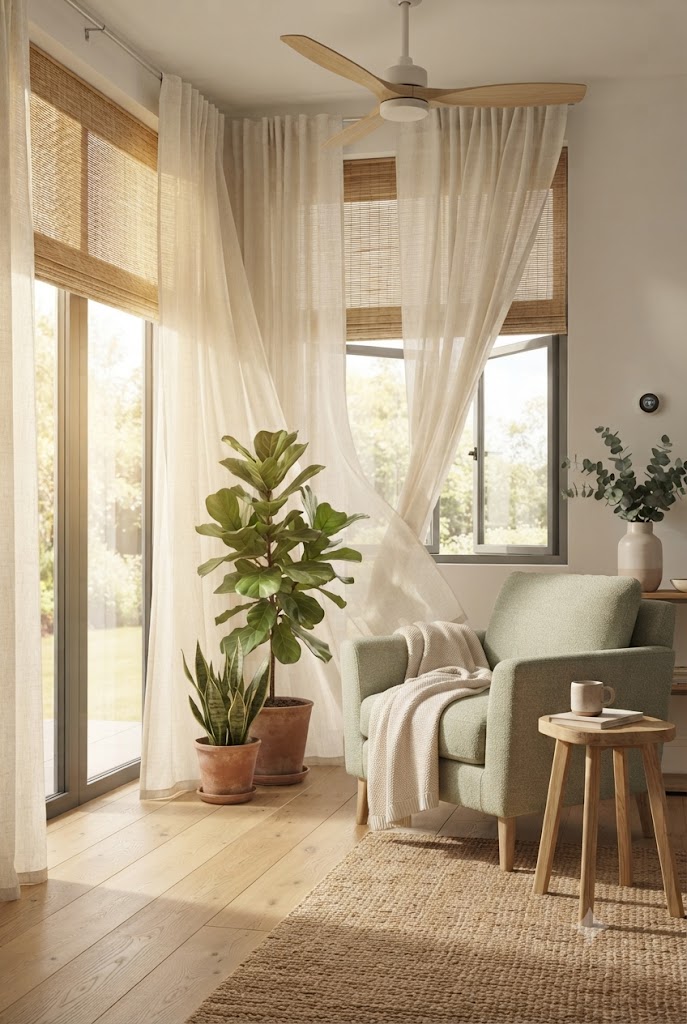
Best times include:
- Early morning
- Late evening
- Overnight (when it’s safe)
Cross ventilation pushes hot air out while pulling cooler outdoor air inside.
If your home only has windows on one side, placing a fan near the window facing outward helps exhaust warm indoor air more efficiently.
3. Use Ceiling Fans the Right Way
Many people use ceiling fans incorrectly during summer.
Set the fan to rotate counterclockwise so it pushes air downward.
Although fans don’t lower room temperature, they create a cooling effect that makes people feel several degrees cooler.
Extra Tip
Turn fans off when leaving the room. Fans cool people—not empty spaces—so keeping them running wastes electricity.
4. Reduce Indoor Heat From Appliances
Household appliances quietly add a surprising amount of heat.
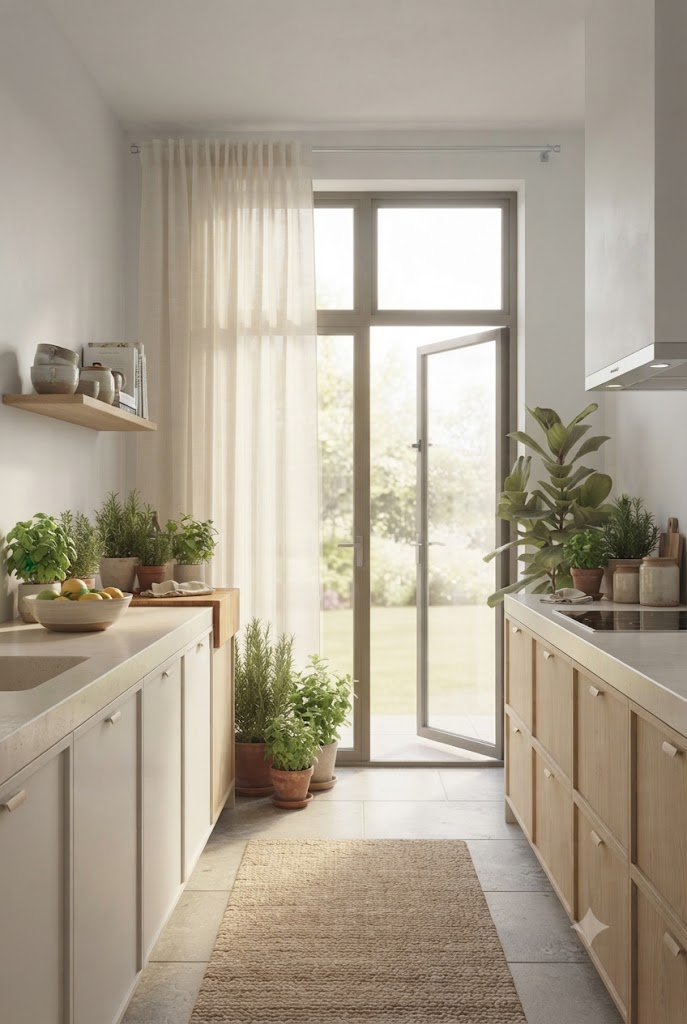
During hot afternoons, avoid using:
- Oven
- Clothes dryer
- Dishwasher
- Iron
- Multiple electronics at once
Instead:
- Cook outdoors when possible.
- Use a microwave, slow cooker, or air fryer.
- Wash clothes in cold water.
- Run the dishwasher after sunset.
Small changes throughout the day can noticeably improve indoor comfort.
5. Choose Breathable Fabrics Throughout Your Home
Heavy fabrics trap warmth.
For summer, replace thick textiles with lightweight natural materials.
Good choices include:
- Cotton bedding
- Linen curtains
- Lightweight throws
- Cotton cushion covers
These fabrics allow better airflow while making bedrooms and living rooms feel cooler.
Even swapping a heavy duvet for a lightweight cotton blanket can improve sleep quality during warm nights.
6. Add Indoor Plants Carefully
Plants won’t dramatically reduce room temperature, but they can improve comfort by adding moisture to dry indoor air and providing natural shade near windows.
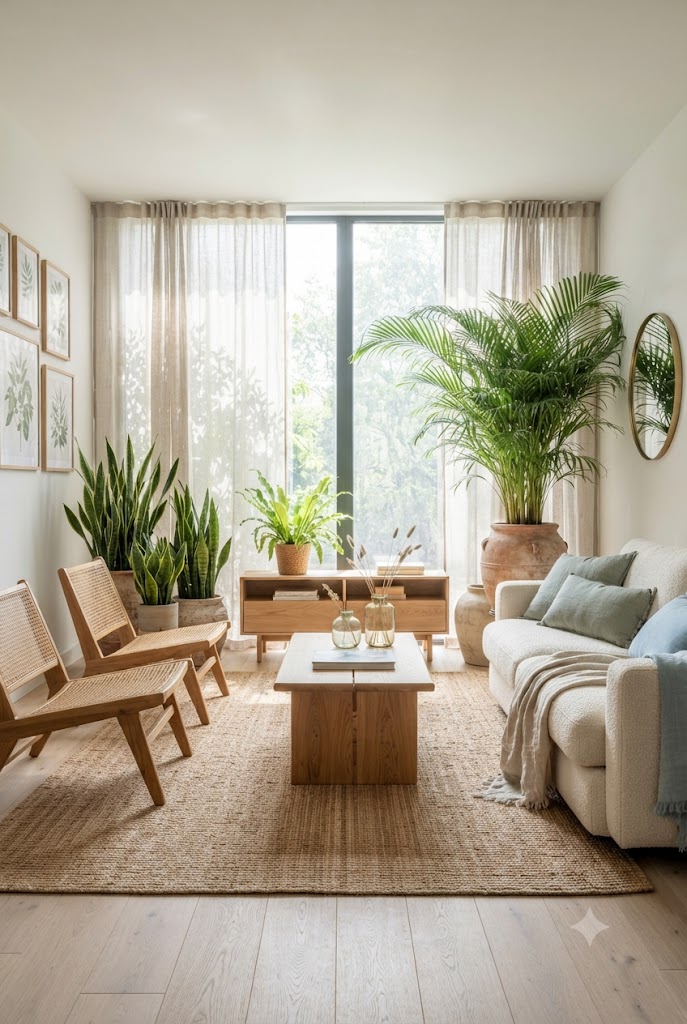
Good indoor plants include:
- Snake Plant
- Peace Lily
- Areca Palm
- Boston Fern
- Rubber Plant
Avoid overcrowding rooms with plants, as excessive moisture may increase humidity in already humid climates.
7. Seal Air Leaks
Warm outdoor air constantly enters through small gaps around:
- Doors
- Windows
- Utility pipes
- Attic access panels
Weather stripping and simple door seals help keep hot air outside while preventing cool indoor air from escaping.
This inexpensive improvement benefits both summer and winter.
8. Improve Attic Insulation
Many homeowners focus on windows while forgetting the attic.
An uninsulated attic absorbs enormous amounts of solar heat that eventually radiates into the rooms below.
Proper attic insulation can significantly reduce indoor temperatures while lowering energy bills throughout the year.
If your home feels much hotter upstairs than downstairs, poor attic insulation may be the reason.
9. Switch to LED Lighting
Traditional incandescent bulbs waste much of their energy as heat.
LED bulbs:
- Produce far less heat
- Use less electricity
- Last much longer
- Help keep rooms slightly cooler
This is a simple upgrade that benefits every room in the house.
10. Use Natural Shade Outdoors
Keeping your home cool starts outside.
Trees, climbing vines, pergolas, and shade sails reduce direct sunlight hitting walls and windows.
Even a well-placed patio umbrella can reduce heat entering adjacent rooms.

If you’re planning long-term landscaping, consider planting deciduous trees near west-facing windows. They provide summer shade while allowing winter sunlight through after leaves fall.
11. Cool Your Bedroom for Better Sleep
Bedrooms often feel the warmest at night.
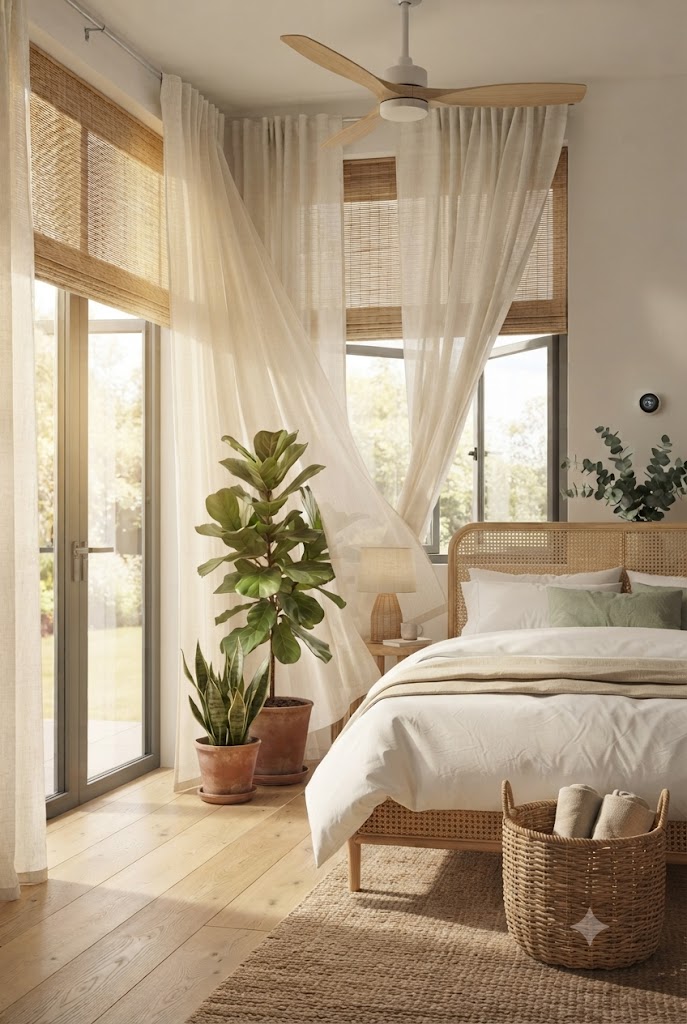
Try these practical habits
- Open windows after sunset if outdoor temperatures are lower.
- Use breathable cotton sheets.
- Keep electronics turned off before bedtime.
- Close bedroom doors during the day if they’re exposed to afternoon sun.
- Place a bowl of ice in front of a fan for temporary personal cooling.
Good sleep often depends more on airflow than simply lowering the thermostat.
12. Keep Humidity Under Control
High humidity makes homes feel much hotter than the actual temperature.
Simple ways to reduce moisture include:
- Run bathroom exhaust fans after showers.
- Use kitchen exhaust fans while cooking.
- Dry laundry outdoors when possible.
- Fix plumbing leaks promptly.
A drier home usually feels cooler even if the temperature hasn’t changed.
13. Rearrange Furniture for Better Airflow
Large furniture placed directly in front of windows, air vents, or fans blocks circulation.
Move bulky sofas, bookshelves, and cabinets away from ventilation paths.
Even small layout adjustments can improve airflow throughout the room.
Interior designers often prioritize circulation just as much as aesthetics, especially in warmer climates.
14. Keep Windows Clean
It may sound surprising, but dirty windows absorb more solar heat than clean glass.
Clean windows:
- Reflect light more effectively
- Improve daylight indoors
- Allow better visibility when using natural ventilation
It’s a small maintenance task that complements other cooling strategies.
Common Mistakes That Make Homes Hotter
Many people unknowingly increase indoor temperatures by:
- Leaving curtains open all afternoon
- Running heat-producing appliances during peak temperatures
- Keeping windows open when outdoor air is hotter than indoor air
- Blocking fans with furniture
- Ignoring attic insulation
- Using thick rugs and heavy bedding during summer
Avoiding these habits can make a noticeable difference without spending much money.
Quick Daily Cooling Routine
A simple daily routine helps maintain a naturally cooler home:

Morning
- Open windows to let in cool air.
- Turn off lights you don’t need.
- Close curtains before direct sunlight arrives.
Afternoon
- Keep windows closed if it’s hotter outside.
- Avoid using the oven.
- Run ceiling fans only in occupied rooms.
Evening
- Reopen windows when outdoor temperatures drop.
- Use cross ventilation to remove trapped heat.
- Cool bedrooms before bedtime.
Consistency is more effective than relying on a single cooling trick.
Final Thoughts
Learning how to keep your home cool naturally doesn’t require expensive renovations or constant air conditioning. Small, intentional changes—such as blocking direct sunlight, improving ventilation, reducing indoor heat sources, and choosing breathable materials—can work together to create a noticeably cooler and more comfortable living space.
Start with one or two improvements that fit your home and lifestyle, then build from there. Over time, these natural cooling habits can lower energy costs, improve indoor comfort, and make your home more sustainable throughout the hottest months of the year.
A cooler home isn’t just about temperature—it’s about designing a space that works with nature rather than against it.




2 Comments