Building a Mini Greenhouse for Year-Round Harvests
Introduction
Imagine stepping outside on a chilly winter morning and picking fresh lettuce, herbs, or even tomatoes from your own little greenhouse. A mini greenhouse for year-round harvests makes that dream possible — no matter the season. Whether you’re a seasoned gardener or a home décor lover looking to blend beauty with purpose, a small greenhouse can completely transform the way you grow food. With a bit of creativity and care, you can extend your growing season, protect delicate plants from frost, and enjoy fresh produce every month of the year.
Why a Mini Greenhouse Is a Game-Changer
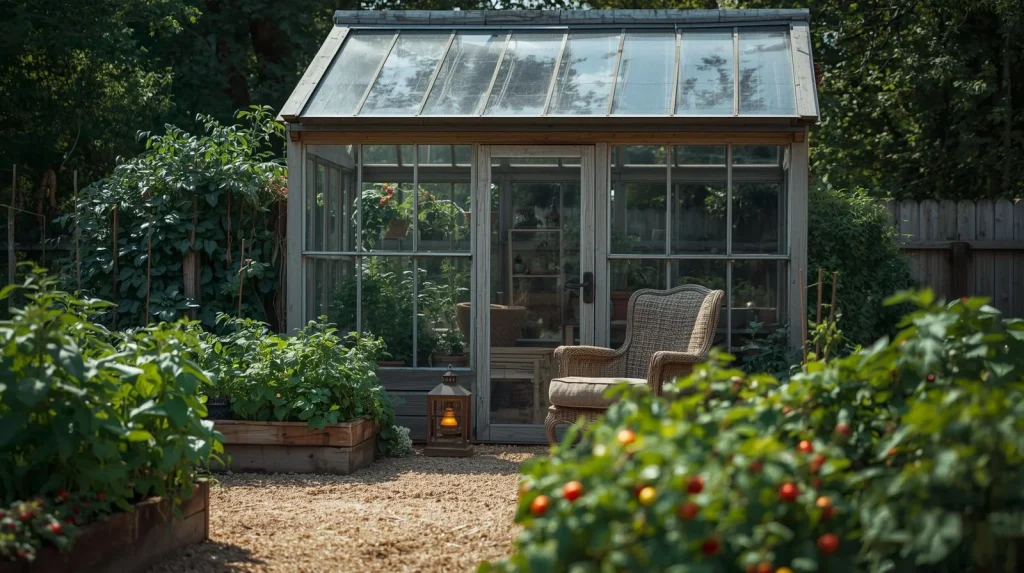
A mini greenhouse is a smart way to bring the benefits of a traditional greenhouse into smaller spaces like patios, balconies, or compact backyards. These charming structures offer much more than just plant protection — they create a controlled microclimate where your plants can flourish, regardless of the weather.
By maintaining steady temperature and humidity, a mini greenhouse helps you grow vegetables, herbs, and flowers year-round. It shields plants from pests, wind, and unexpected cold snaps while trapping the warmth of the sun. Even in cooler months, you can enjoy harvesting lettuce, spinach, or herbs that would normally wilt in outdoor beds.
And aesthetically? A glass or polycarbonate mini greenhouse can be as stylish as it is functional — a true statement piece that enhances your garden’s visual appeal while supporting sustainable living.
Choosing the Right Size and Location
When it comes to building a DIY backyard greenhouse, the first step is choosing the right spot. Look for an area that gets at least four to six hours of sunlight per day. A south-facing location usually captures the most light.
If you’re in a warmer region, partial shade in the afternoon helps prevent overheating. For cooler climates, position the greenhouse to soak up every bit of sun. The ground should be level and well-drained, and it’s smart to install a gravel or concrete foundation to keep moisture away.
A greenhouse doesn’t have to be big to be productive. Even a small greenhouse design measuring 6×8 feet can grow a surprising amount of food when you use shelves and vertical supports efficiently.
For décor-minded gardeners, you can choose finishes that complement your outdoor aesthetic — like white wood frames for a cottage look, or matte black metal for a modern style.
Structure, Materials, and Ventilation
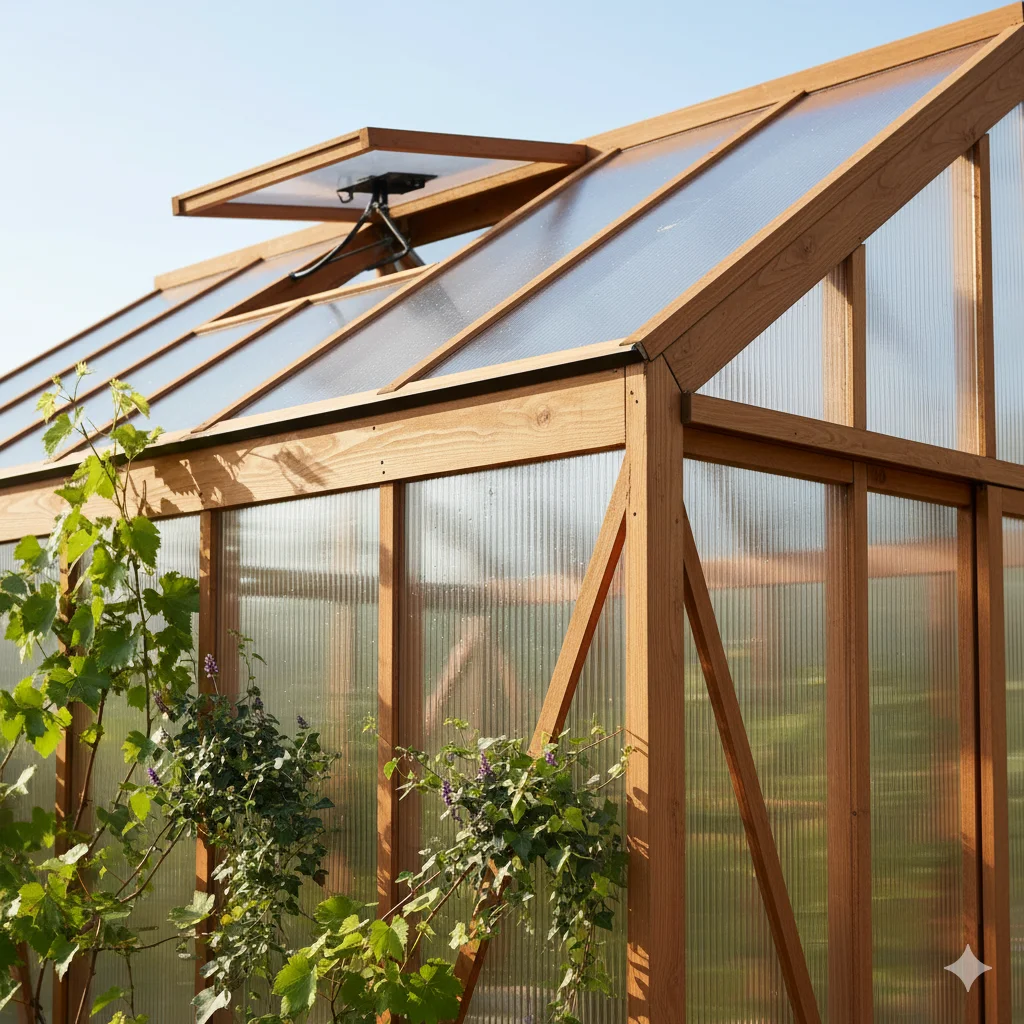
Building your mini greenhouse can be as simple or advanced as you like. Many DIY gardeners prefer wood for its rustic charm, while others choose lightweight aluminum for longevity. For glazing, polycarbonate panels are a fantastic choice because they’re durable, affordable, and insulate well during cooler months.
Good ventilation is essential for year-round growing. Roof vents, side windows, or even a small fan keep air circulating and prevent humidity buildup — which can lead to mildew or mold. During summer, consider installing shade cloths or removable panels to protect your plants from too much heat.
Inside, think vertically. Add wall-mounted shelves, hanging planters, and raised beds to make the most of limited space. The goal is to design a greenhouse that’s practical yet still visually pleasing — a blend of productivity and Pinterest-worthy charm.
Shop the look: Polycarbonate Greenhouse with Roof Vent ( This is my affiliate link )
Planning a Year-Round Growing Schedule
With a little planning, your mini greenhouse can produce fresh greens, herbs, and vegetables all year. Here’s how to rotate crops through the seasons:
- Spring: Start your seedlings early! Grow lettuce, kale, herbs, and spring onions while outdoor conditions are still cool.
- Summer: Move in heat-loving crops like tomatoes, cucumbers, and peppers. Use trellises or hanging baskets to save space.
- Autumn: Transition to cool-season favorites such as spinach, radishes, and carrots. Replace fading summer plants with new seedlings.
- Winter: With good insulation, your greenhouse can still grow hardy greens like chard, cabbage, or winter lettuce. Add thermal mass (like dark water barrels or stone pathways) to hold heat through the night.
By using succession planting — replanting as soon as one crop is finished — you’ll always have something growing. This technique, paired with consistent light and temperature control, is the secret to extending your growing season.
Styling and Décor Inspiration
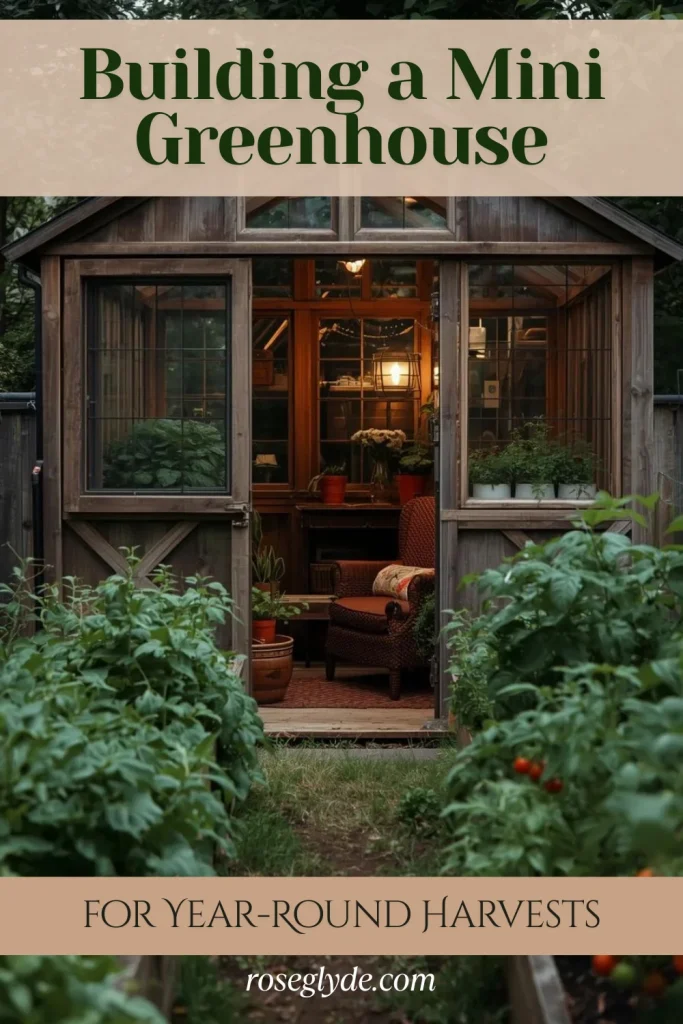
A mini greenhouse can be more than a growing space — it can also be a cozy retreat. Add string lights, soft lanterns, or vintage lanterns to give it an inviting evening glow. Place wooden crates, terracotta pots, and woven baskets to store tools stylishly.
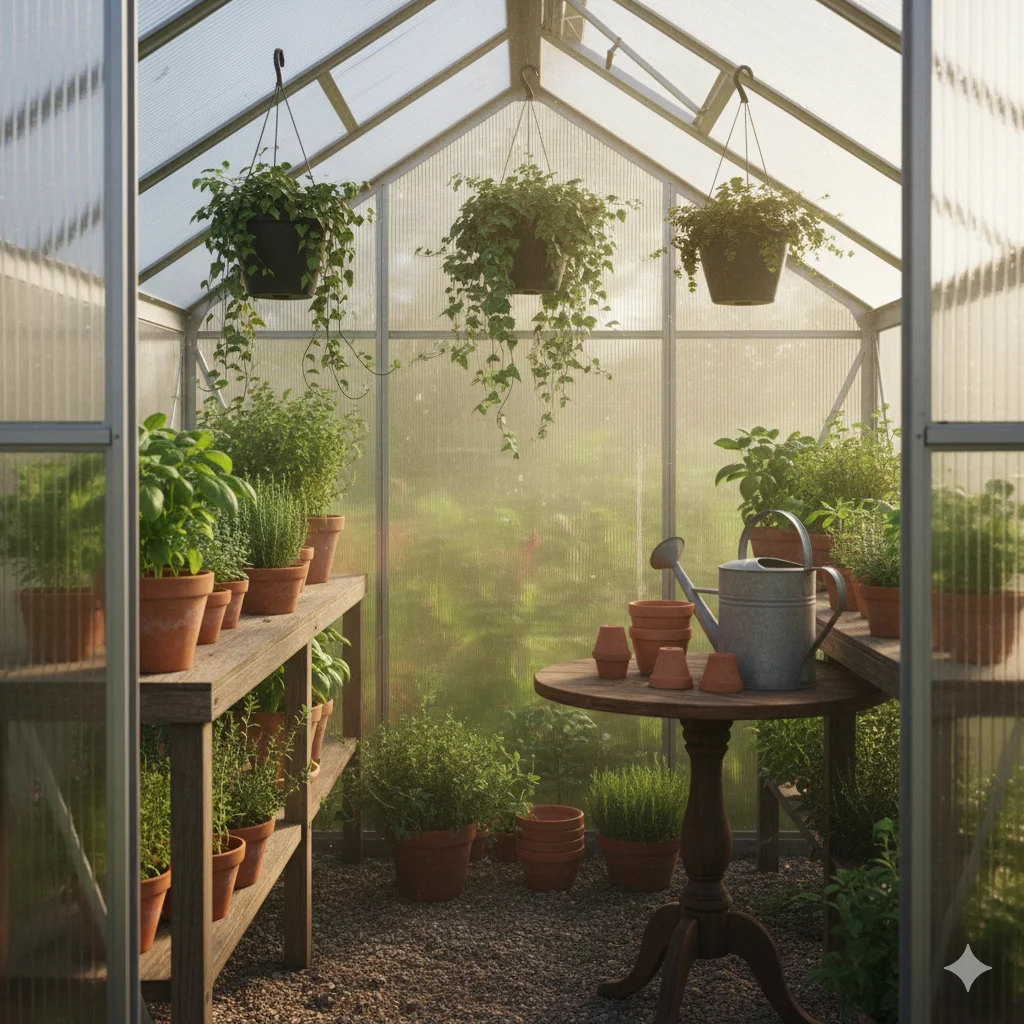
You can even add a small bench with cushions for moments of quiet relaxation among your plants. During colder months, a wool blanket and a cup of tea turn it into a magical winter garden nook.
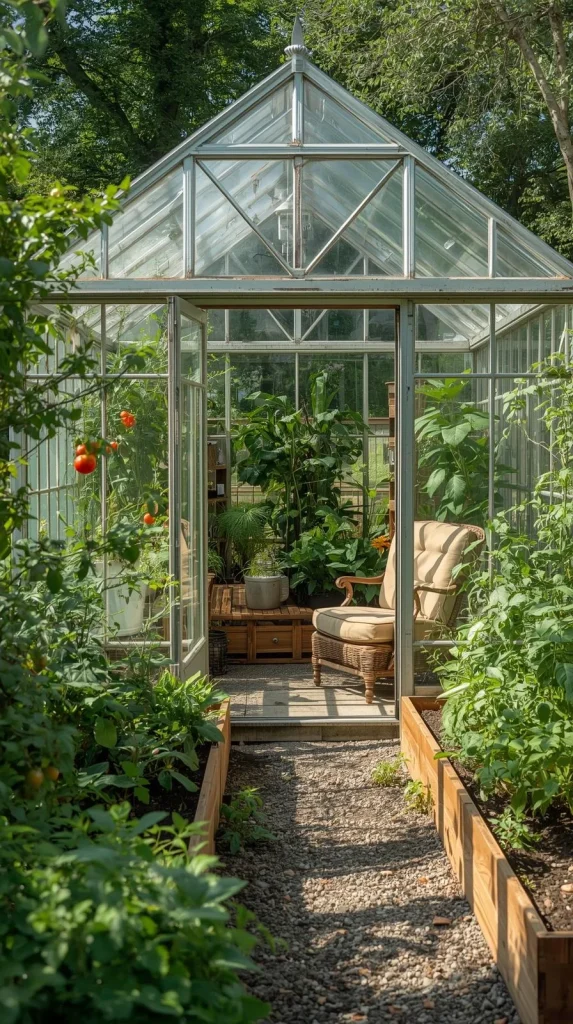
Decorating your greenhouse in line with your home’s aesthetic helps it feel like an extension of your living space — functional, sustainable, and beautiful all at once.
Maintenance Tips for Mini Greenhouse for Year-Round Harvests
Keeping your mini greenhouse thriving all year is easier than it sounds.
- Monitor temperature and humidity with a simple thermometer and hygrometer.
- Water consistently, but make sure your soil drains well. Overwatering can be as harmful as drought.
- Rotate crops and refresh soil or compost every few months to maintain fertility.
- Inspect regularly for pests or fungus, and remove dead leaves or debris.
- In winter, use bubble wrap or thermal screens for extra insulation. In summer, open vents daily for airflow.
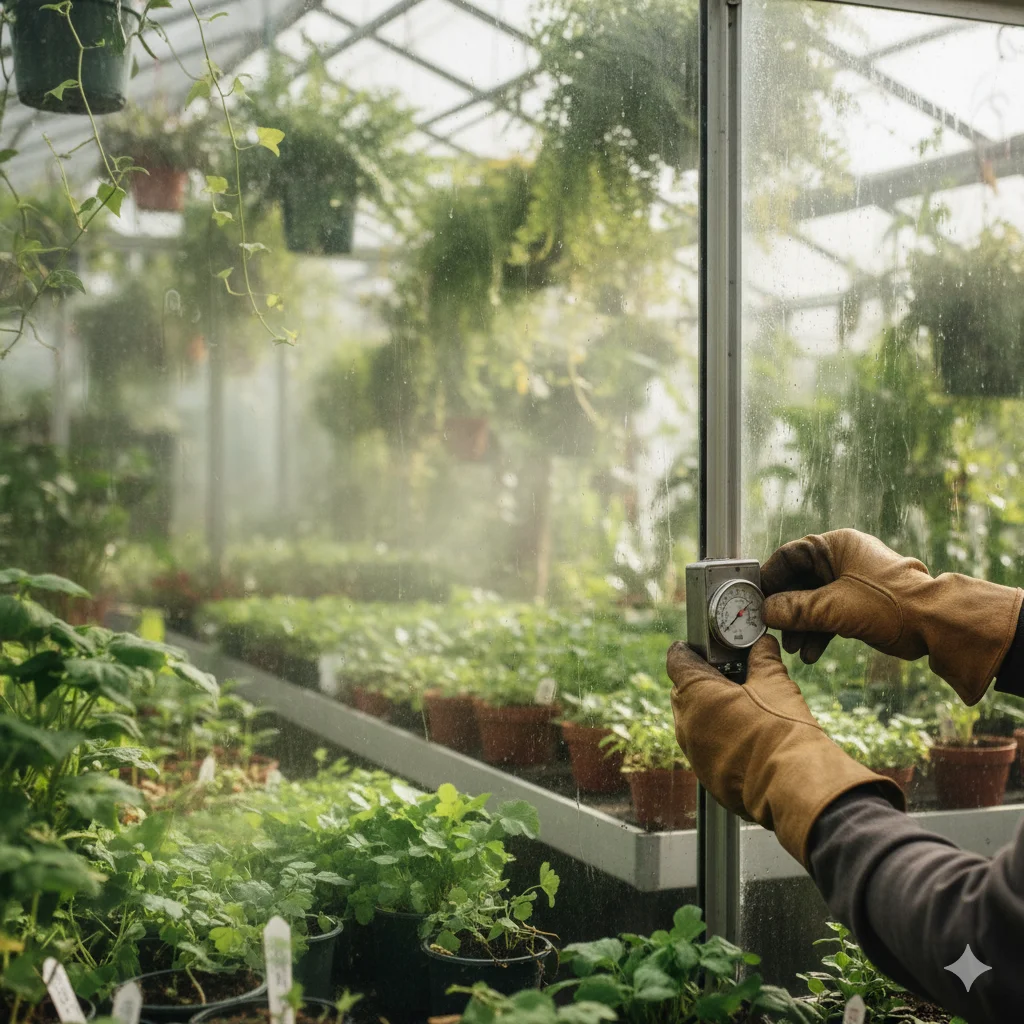
With these easy steps, your greenhouse will stay healthy and productive through every season.
Conclusion
Building a mini greenhouse for year-round harvests is one of the most rewarding home projects you can tackle. It combines sustainability, beauty, and practicality — allowing you to enjoy fresh homegrown produce even when the weather turns cold.
From DIY backyard greenhouse builds to small greenhouse styling ideas, this project brings your décor and gardening passions together perfectly. Whether you’re growing herbs for your kitchen, flowers for your décor shoots, or vegetables for your family, a mini greenhouse makes it possible to harvest joy all year long.
Related
- Gardens Under Glass: The Rise of Terrariums & Greenhouses in 2025
- Indoor Gardening During Winter: A Complete Guide to Thriving Plants in Cold Months
- Smart Gardening Tech for Fall/Winter: Extend Your Green Thumb Through the Cold Seasons