Wabi-Sabi Aesthetics: Finding Beauty in Imperfection
In a world filled with perfectly curated Instagram feeds, glossy home décor catalogs, and polished design trends, there’s something profoundly calming about Wabi-Sabi. Rooted in traditional Japanese philosophy, Wabi-Sabi embraces the beauty of imperfection, impermanence, and authenticity. Rather than striving for flawless design, it celebrates the cracks, the weathered textures, and the natural passage of time.
If you’ve ever admired a rustic handmade mug, a worn wooden table, or the way sunlight falls unevenly through linen curtains, you’ve already felt the quiet magic of Wabi-Sabi. This aesthetic isn’t just about décor—it’s a way of living that values mindfulness, simplicity, and presence in everyday life.
What is Wabi-Sabi?
The term “Wabi-Sabi” is a combination of two Japanese words:
- Wabi refers to a sense of understated elegance, rustic simplicity, and finding beauty in natural minimalism.
- Sabi refers to the passage of time—embracing age, patina, and the serenity that comes with weathered surfaces.
Together, Wabi-Sabi is not about chasing perfection, but about accepting life—and design—as it truly is. This philosophy encourages us to slow down, appreciate authenticity, and see beauty in the overlooked details.
Key Principles of Wabi-Sabi Aesthetics
To bring Wabi-Sabi into your home or lifestyle, it’s important to understand its guiding principles:
1. Imperfection is Beautiful
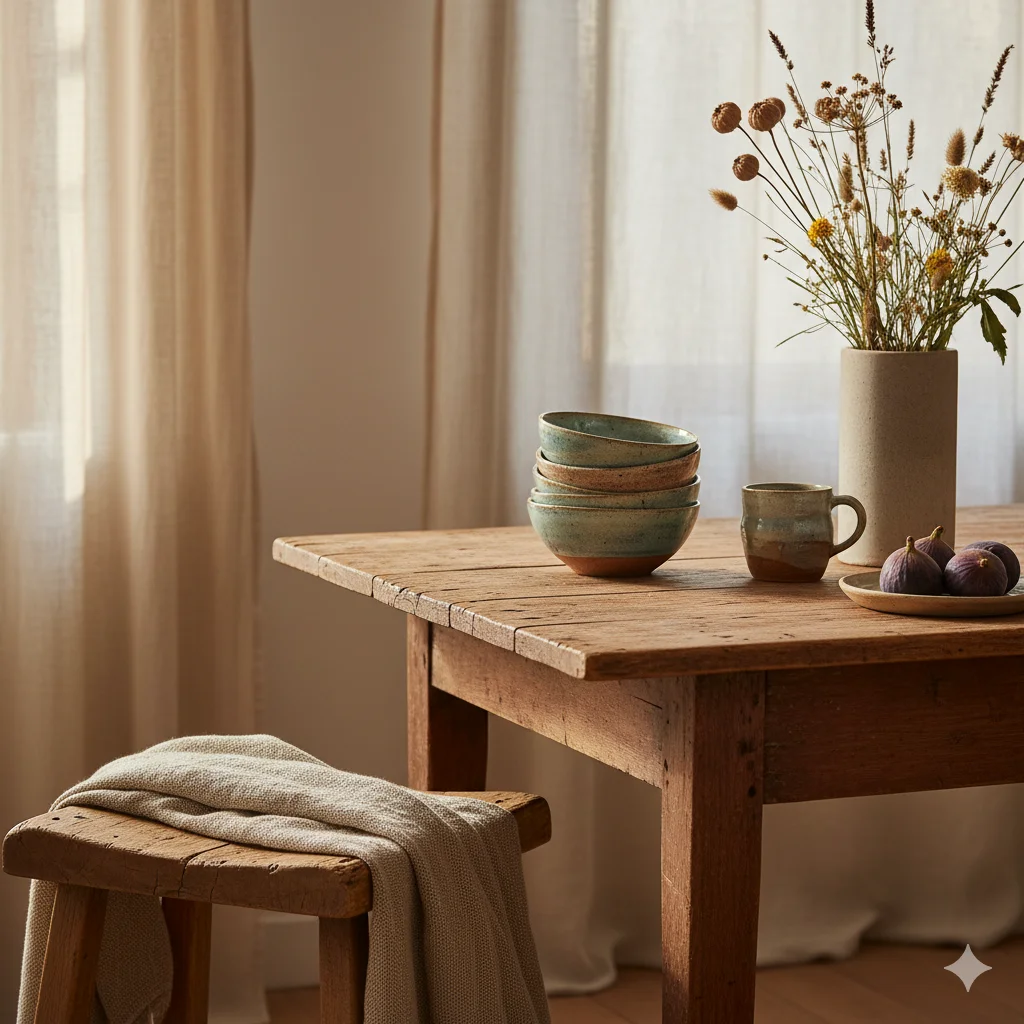
A chipped ceramic bowl or a hand-thrown vase with uneven edges is more cherished than a machine-made, flawless piece. The irregularities make it unique and human.
2. Simplicity Over Excess
Wabi-Sabi favors uncluttered, minimalist spaces filled with meaningful items rather than trendy clutter. Less truly becomes more.
3. Natural Materials
Wood, clay, linen, stone, and paper—organic materials that age gracefully—are the foundation of this aesthetic. Over time, they develop patina, becoming even more beautiful.
4. Transience and Change
Nothing lasts forever, and Wabi-Sabi embraces that truth. Flowers wilt, seasons shift, and wooden furniture fades with sun exposure. These changes are celebrated, not resisted.
Bringing Wabi-Sabi into Your Home
You don’t need a full interior makeover to embrace Wabi-Sabi. Small, intentional choices can transform your space into a serene, soulful retreat.
1. Choose Natural, Earthy Tones
Soft beiges, muted grays, clay browns, and mossy greens reflect the raw beauty of nature. These tones create calm and allow your mind to rest.
2. Incorporate Handmade Objects
Swap mass-produced items for artisan-made pieces—ceramics, woven baskets, or hand-carved wood accents. Their uniqueness adds soul to your home.
3. Celebrate Patina and Wear
Instead of sanding away scratches on a wooden table, appreciate them as part of its story. The signs of use bring authenticity and character.
4. Bring Nature Indoors
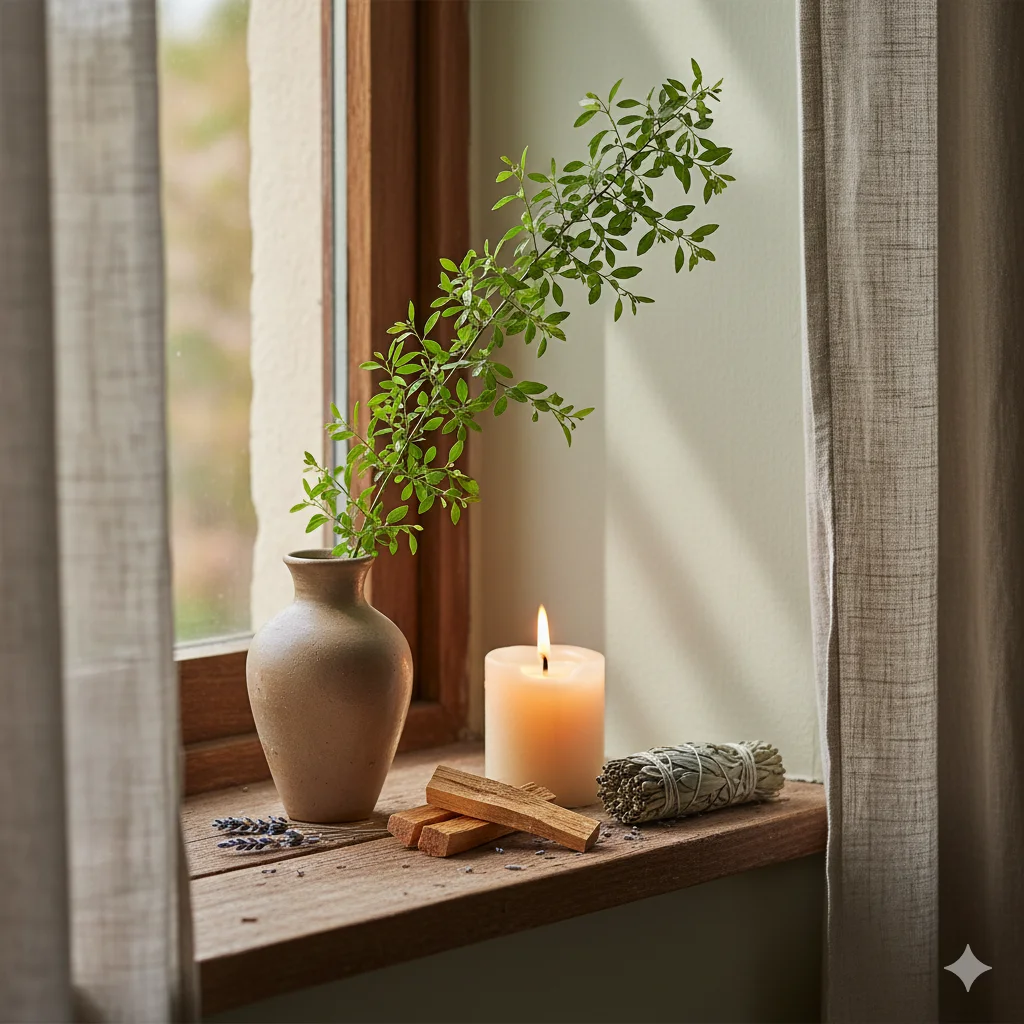
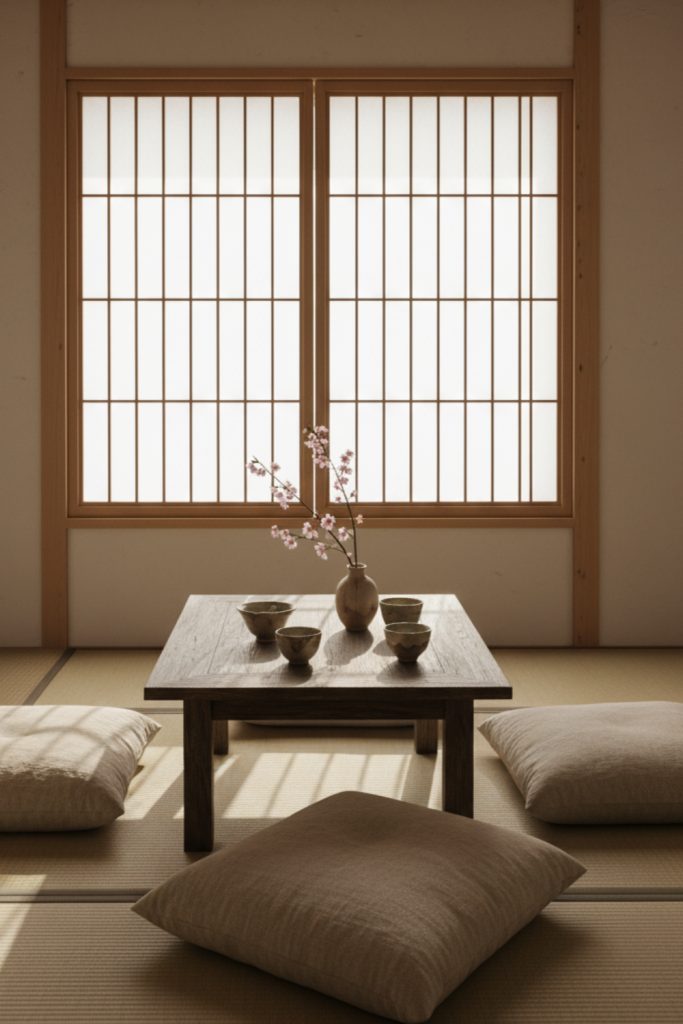
Fresh branches in a simple vase, a stone collected from a walk, or dried flowers in a clay jar embody the Wabi-Sabi philosophy of natural impermanence.
5. Embrace Negative Space
Don’t feel pressured to fill every corner. Empty spaces provide balance and give room for appreciation of what is there.
Wabi-Sabi in Everyday Life
Beyond interiors, Wabi-Sabi is a lifestyle shift. It’s about slowing down and finding joy in simple, imperfect moments.
- Mindful Living: Enjoy your morning tea in a hand-crafted mug, appreciating its uneven glaze.
- Appreciation of Nature: Notice the beauty in fallen autumn leaves or rain streaks on a window.
- Letting Go of Perfection: Allow yourself to create, write, or decorate without striving for flawlessness.
This philosophy helps us accept that life is transient, and perfection is not the goal—presence and authenticity are.
Why Wabi-Sabi Feels So Relevant Today
In today’s fast-paced, consumer-driven culture, Wabi-Sabi offers a refreshing counterbalance. It encourages:
- Sustainability – valuing what we already have rather than always buying new.
- Mindfulness – slowing down to notice textures, smells, and small details.
- Emotional Comfort – finding peace in imperfect surroundings that feel lived-in and real.
In many ways, embracing Wabi-Sabi is a gentle act of resistance against overconsumption and the pressure of perfectionism.
Wabi-Sabi Aesthetic Ideas for Home Décor
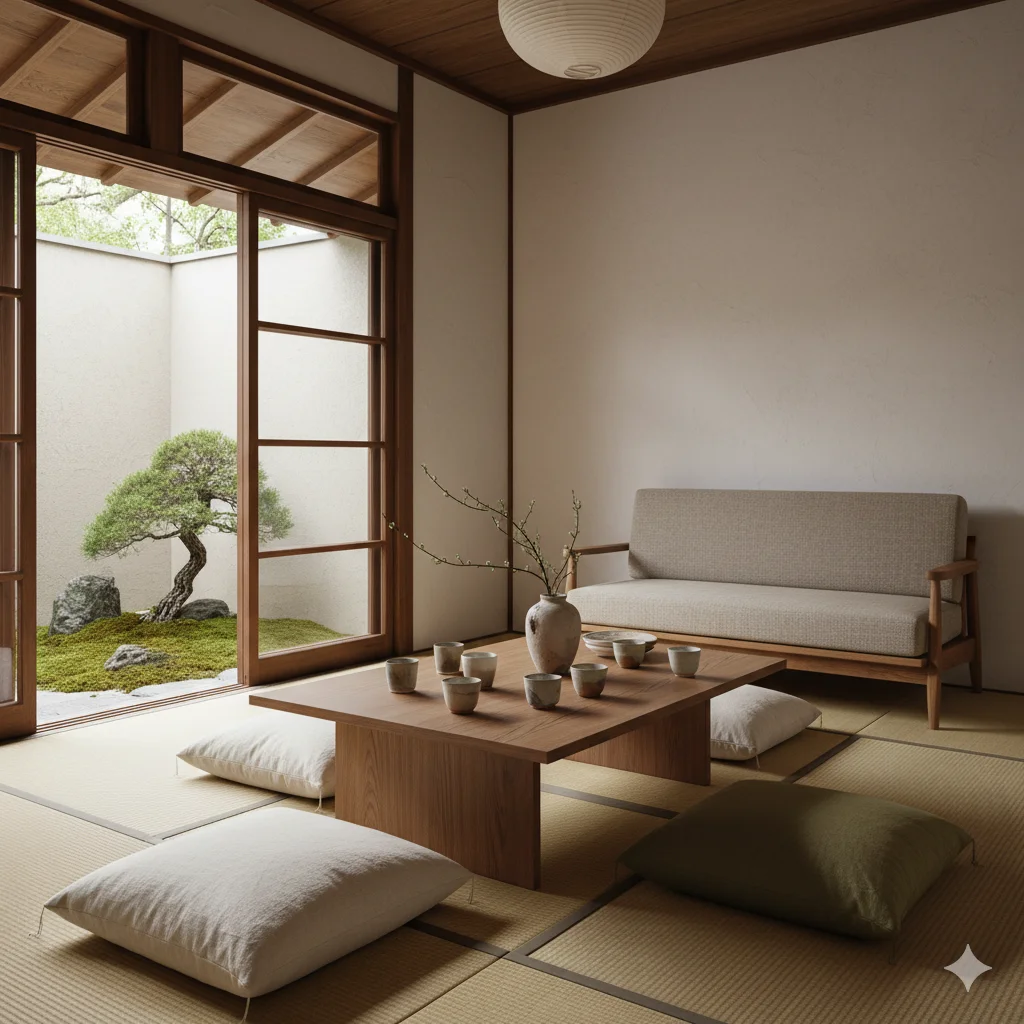
- Living Room: A linen slipcovered sofa, imperfect ceramic vases, and a reclaimed wooden coffee table.
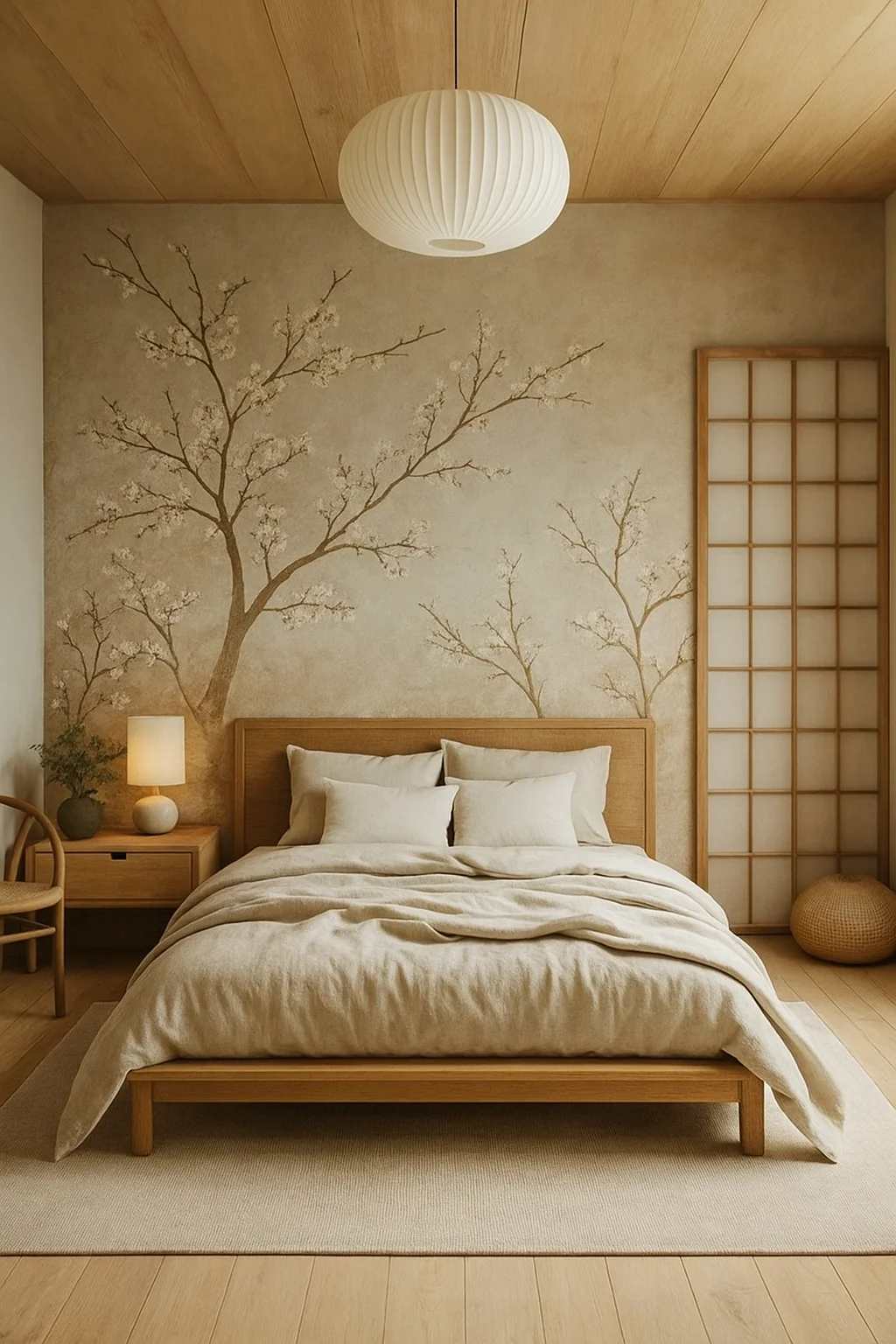
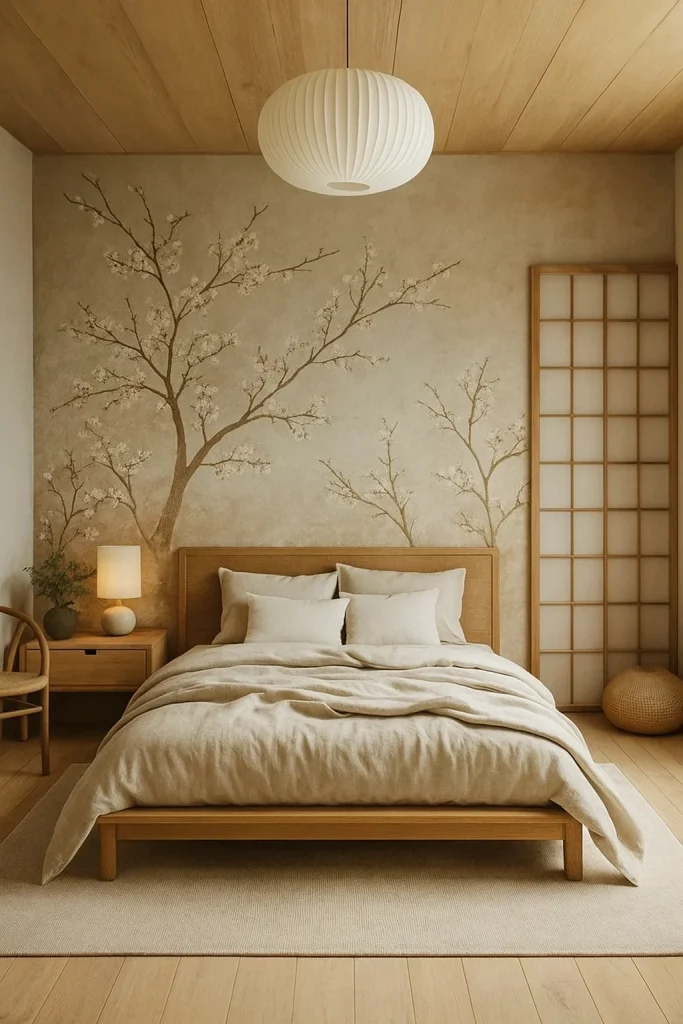
- Bedroom: Natural linen bedding, simple lighting, and a branch displayed as art.
- Dining Room: A mix of mismatched, handmade plates and bowls.
- Outdoor Spaces: Stone paths, aged terracotta pots, and weathered wooden benches.
These details create a warm, grounded atmosphere where every imperfection tells a story.

Final Thoughts
Wabi-Sabi is more than an interior design trend—it’s a philosophy of life. It reminds us that beauty doesn’t lie in perfection, but in authenticity, impermanence, and simplicity. By embracing the natural wear of materials, the irregularities of handmade items, and the serenity of minimalism, we create spaces that feel soulful, calming, and deeply human.
In a world that often demands perfection, Wabi-Sabi whispers that imperfection is enough—that it’s beautiful, even.
Related
- Japandi Living Room Ideas: Zen Minimalism with Scandinavian Coziness
- Japandi Interior Design: How to Achieve the Perfect Zen Style