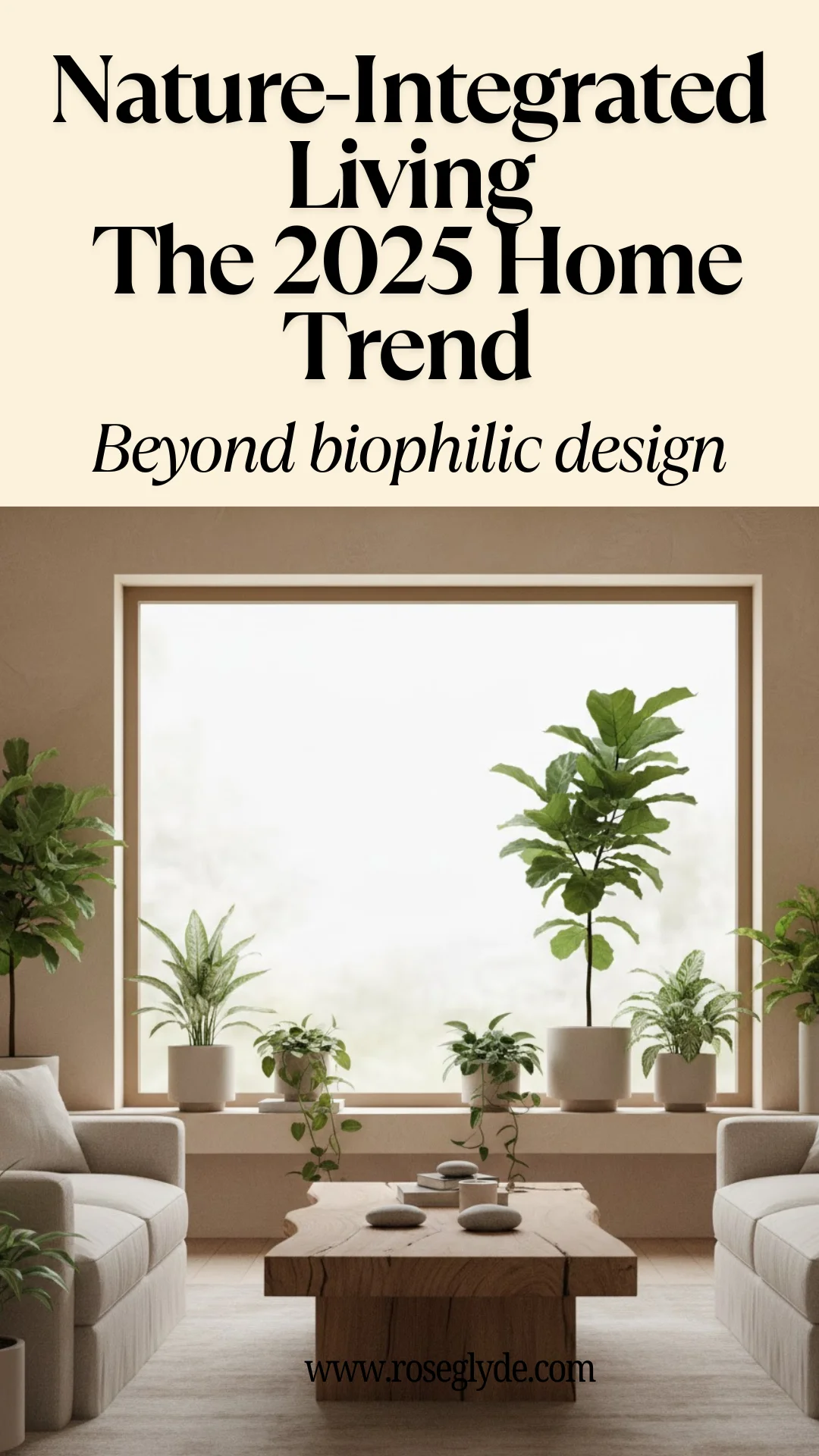
Nature-Integrated Living: The 2025 Interior Design Trend That Turns Homes into Living Ecosystems
Biophilic design has been part of interior styling conversations for years—but in 2025, nature-inspired homes go far beyond a few houseplants and wooden accents. The latest evolution is called Nature-Integrated Living, a design philosophy that transforms interiors into mini ecosystems where materials, light, air, water, and greenery work together to support both physical and emotional well-being.
This isn’t just about aesthetics. Nature-integrated homes are intentionally designed to reduce stress, regulate indoor climate, improve mood, and create a deeper sense of comfort. As our lives become increasingly digital and indoor-focused, homeowners are craving spaces that feel alive, grounded, and restorative.
Let’s explore what Nature-Integrated Living really means, the key elements shaping this trend in 2025, and how you can incorporate it into your own home—beautifully and practically.
What Is Nature-Integrated Living (And How It Goes Beyond Biophilic Design)?
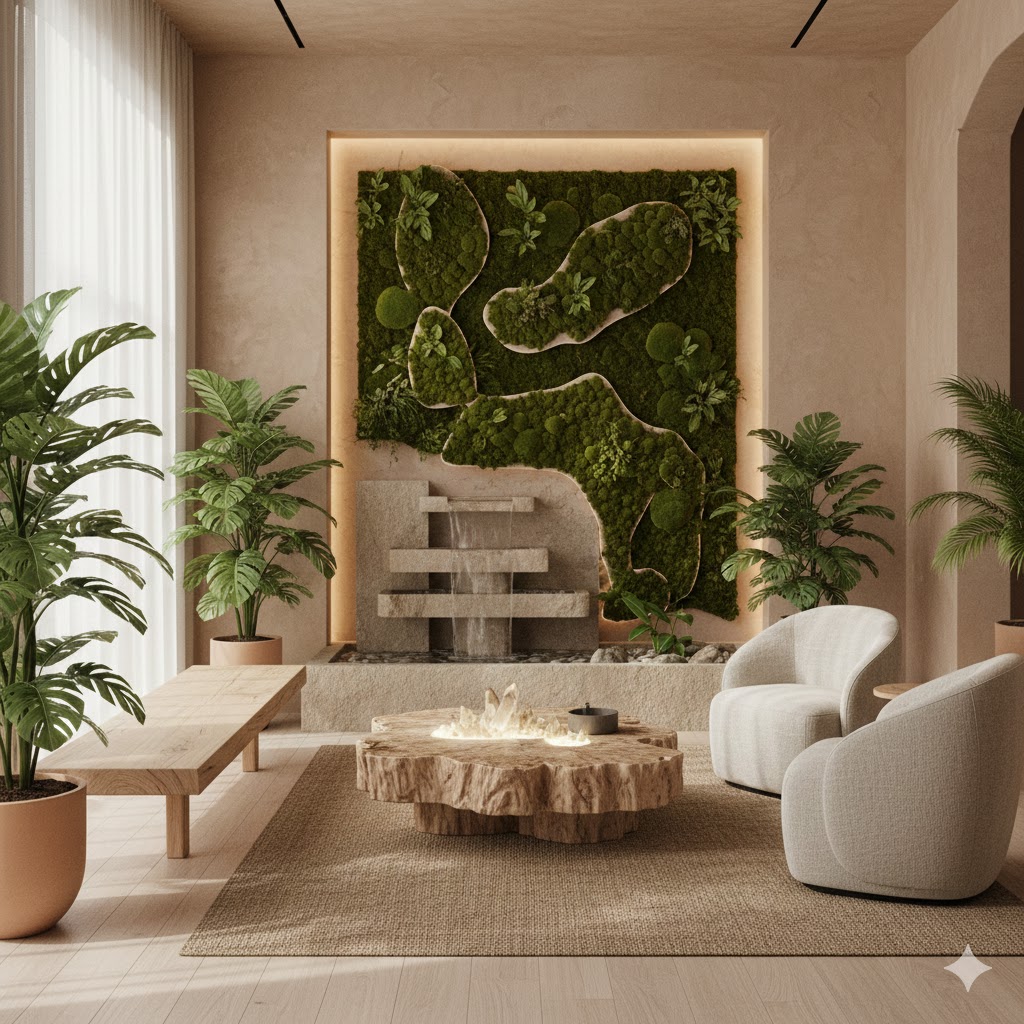
Traditional biophilic design focuses on adding natural elements—plants, wood, sunlight—into built spaces. Nature-Integrated Living takes this concept further, designing homes that function like natural environments rather than simply referencing them.
Think of:
- Walls that breathe
- Furniture shaped by natural edges
- Moisture-balancing materials
- Living greenery that actively affects air quality
- Décor inspired by geology, forests, and water systems
Nature-Integrated Living is an interior design approach that goes beyond biophilic décor by creating homes that function like mini ecosystems. It combines natural materials, living greenery, water elements, and breathable surfaces to improve well-being, comfort, and emotional balance indoors.
Instead of “decorating with nature,” this trend is about living with nature indoors.
Why Nature-Integrated Homes Are So Powerful in 2025
Modern homes often look sleek but feel sterile. Nature-integrated living addresses this by reconnecting us with sensory experiences we instinctively crave.
Proven Benefits of Nature-Connected Interiors
Studies consistently show that natural materials and organic environments:
- Reduce cortisol (stress hormone) levels
- Improve focus and emotional balance
- Increase feelings of warmth and comfort
- Support better sleep and relaxation
- Create long-term emotional attachment to living spaces
Nature-integrated living reduces stress, improves mood, and increases comfort by reconnecting indoor spaces with natural systems. Research shows that natural materials and greenery support long-term well-being, emotional calm, and healthier living environments.
In a world of fast design and disposable décor, nature-integrated homes age beautifully, both visually and emotionally.
Key Nature-Integrated Living Elements Defining 2025 Interiors
1. Natural Clay Walls with Soft, Organic Textures

Clay and earthen plasters are making a major comeback in 2025. These walls:
- Regulate humidity naturally
- Absorb and release moisture
- Create depth through subtle texture variations
Soft beige, warm sand, terracotta, and muted stone tones replace flat paint finishes. Unlike polished walls, clay surfaces feel alive, imperfect, and grounding, making them ideal for bedrooms, living rooms, and meditation spaces.
Styling tip: Pair clay walls with linen curtains, raw wood furniture, and warm indirect lighting for maximum calm.
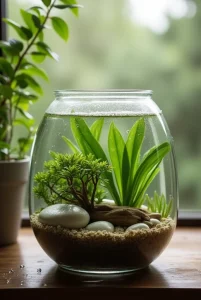
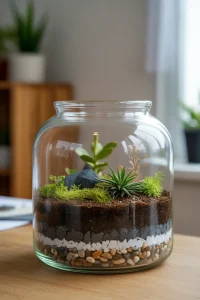
2. Indoor Mini Greenhouses: Living Architecture
Plants are no longer accessories—they’re architectural features.
Indoor mini greenhouses are becoming popular in:
- Kitchens
- Sunrooms
- Open-plan living areas
- Home offices
These controlled micro-environments allow homeowners to grow herbs, tropical plants, and humidity-loving greenery year-round. Glass cabinets, metal frames, and built-in shelving create a stunning blend of design and function.
Why it works: Greenhouses improve air quality, add humidity, and create a visual connection to growth and life.
Discover in detail: Indoor mini greenhouse
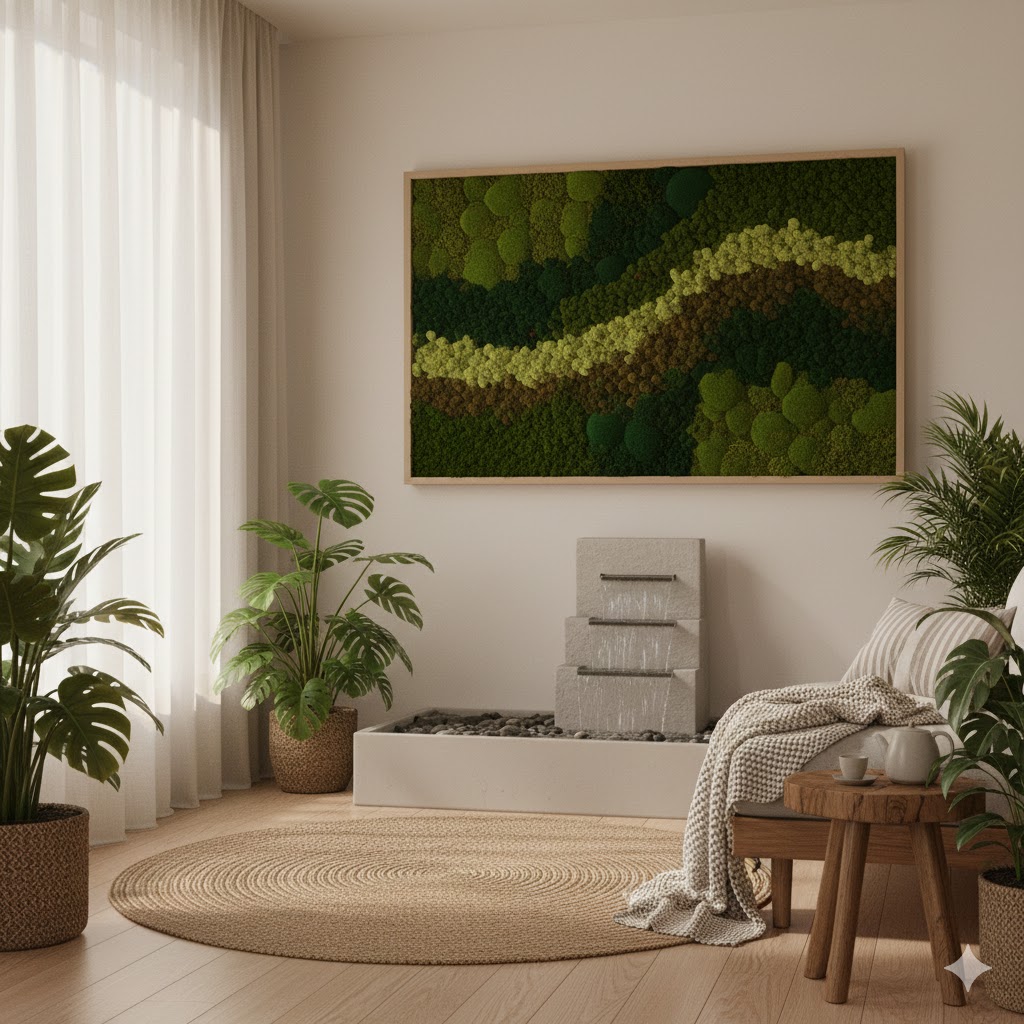
3. Moss Wall Art & Sculptural Moss Spheres
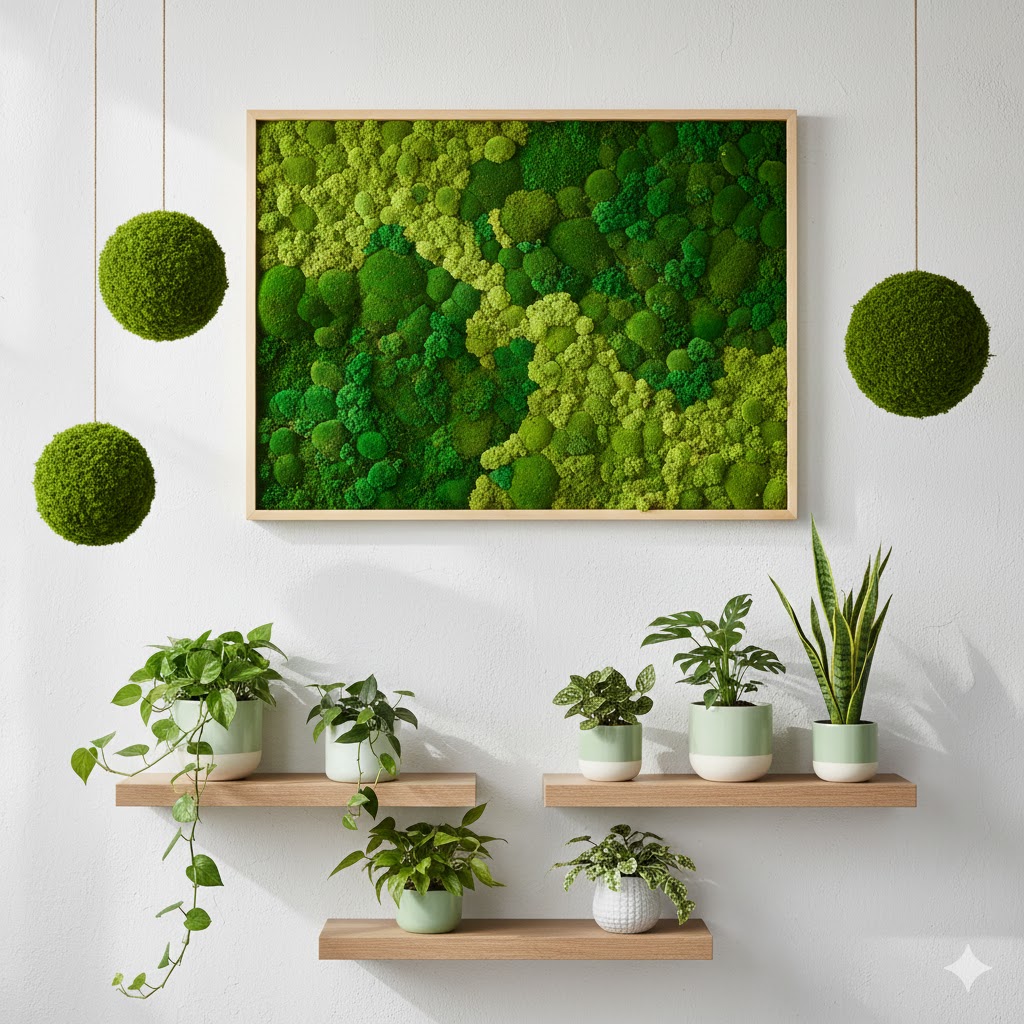
Moss is one of the most exciting materials in nature-integrated interiors. Preserved moss wall art and hanging moss spheres:
- Require no watering
- Improve acoustic comfort
- Add rich green texture without maintenance
Unlike traditional plants, moss installations feel more immersive and artistic, turning walls into forest-like surfaces.
Best spaces: Entryways, hallways, bathrooms, and reading corners where calm is essential.
4. Waterfall Humidifiers: Sound, Air & Serenity
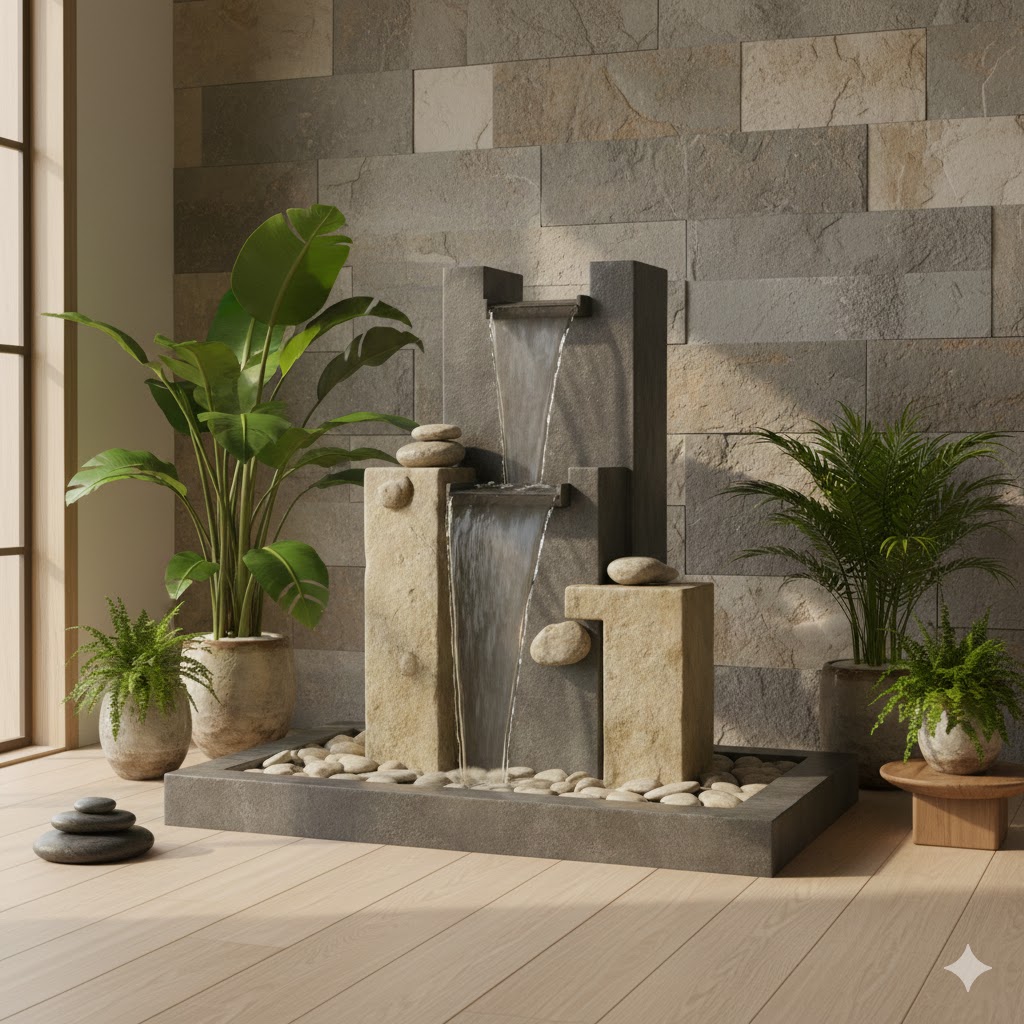
Water elements are central to ecosystem-inspired homes. In 2025, waterfall humidifiers replace standard devices with sculptural designs that:
- Add moisture to dry indoor air
- Produce gentle water sounds
- Create visual movement and tranquility
These pieces act as functional décor, often crafted from stone, ceramic, or resin that mimics natural rock formations.
Design bonus: The sound of flowing water subtly masks noise and promotes relaxation—perfect for bedrooms and workspaces.
5. Stones, Minerals & Earth-Inspired Décor
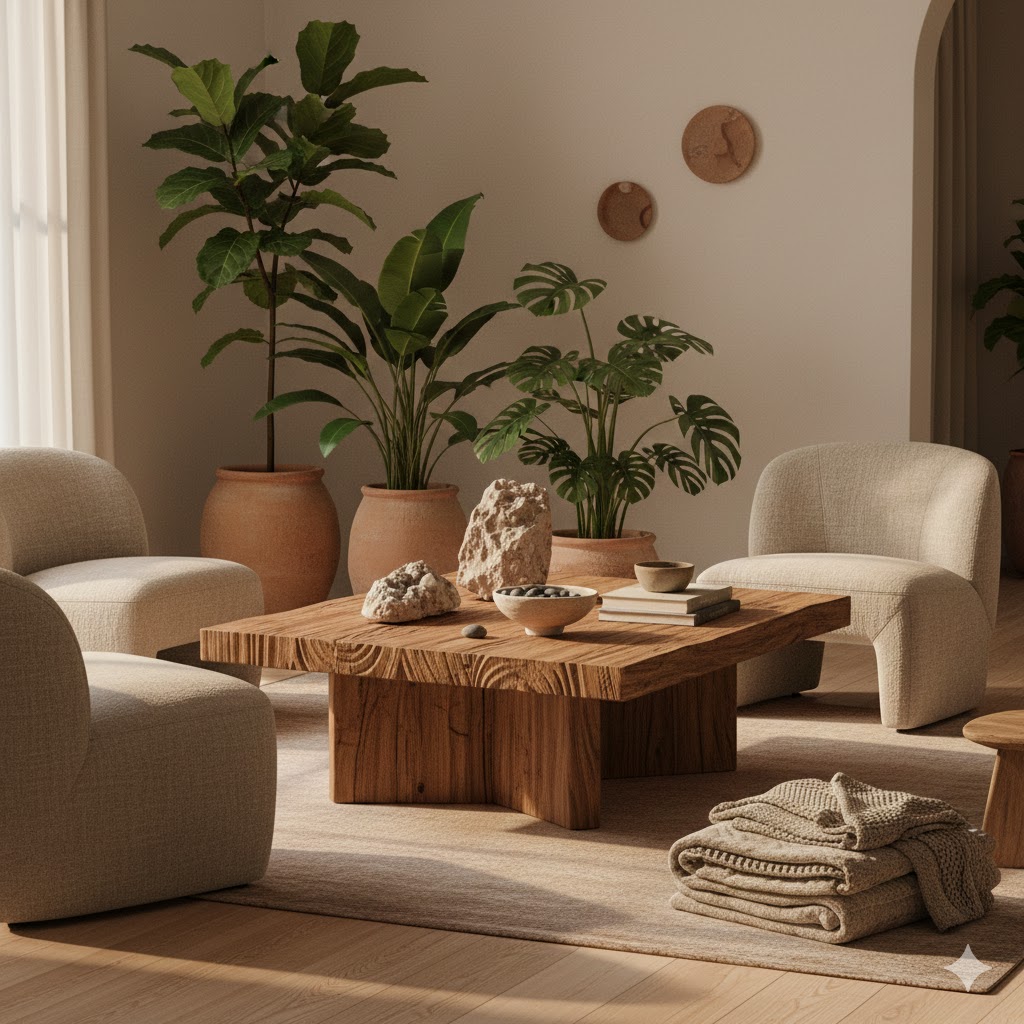
Nature-integrated living celebrates the raw beauty of the earth itself.
Popular mineral and stone décor includes:
- Travertine bowls and trays
- Marble candle holders
- Quartz, onyx, and crystal accents
- River stones in decorative arrangements
These elements bring visual weight and grounding energy, balancing softer textures like fabric and greenery.
6. Raw-Edge Wood Furniture: Nature as the Designer
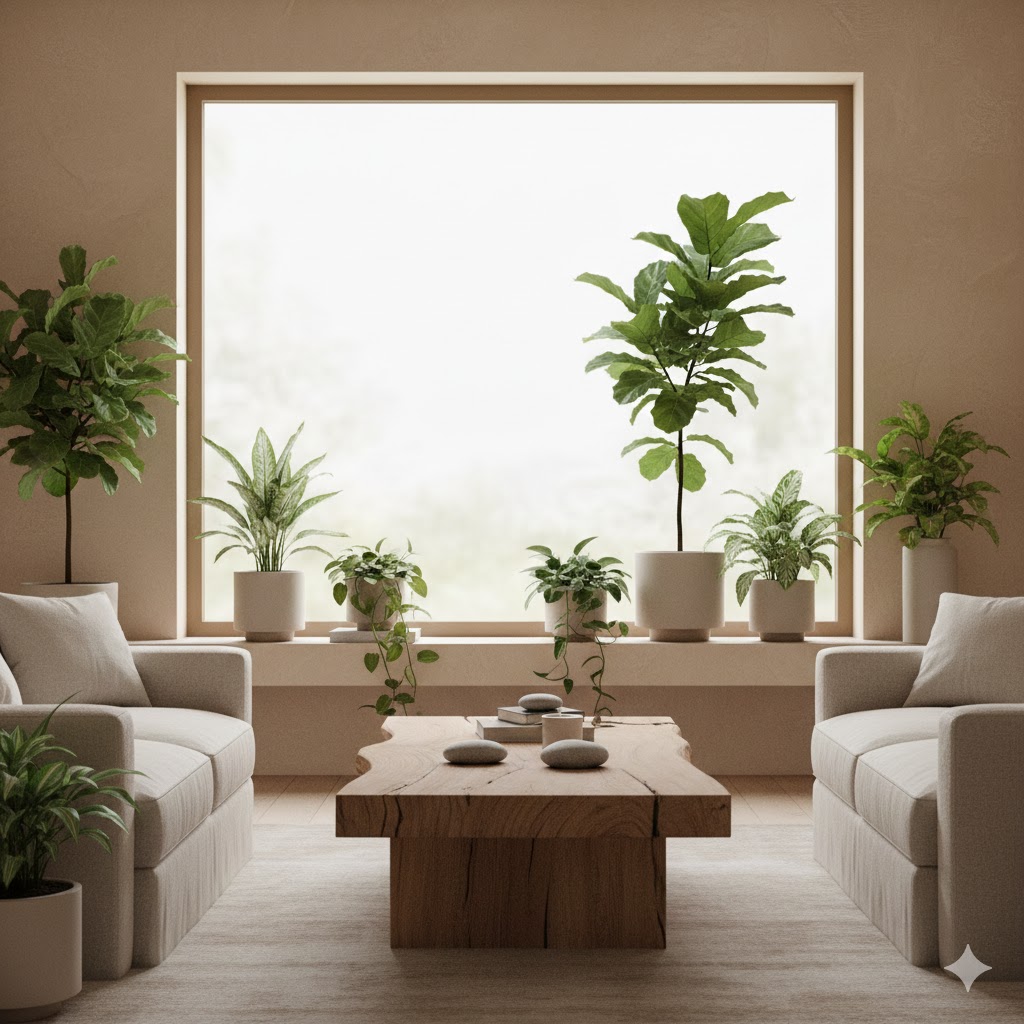
Forget perfectly symmetrical furniture. Raw-edge and live-edge wood pieces highlight:
- Natural grain patterns
- Organic imperfections
- The story of the tree itself
Dining tables, coffee tables, benches, and shelving crafted from solid wood create an emotional connection to nature that manufactured furniture simply can’t replicate.
Styling tip: Keep surrounding décor minimal so the wood remains the focal point.
How to Create a Nature-Integrated Home (Without Renovating Everything)
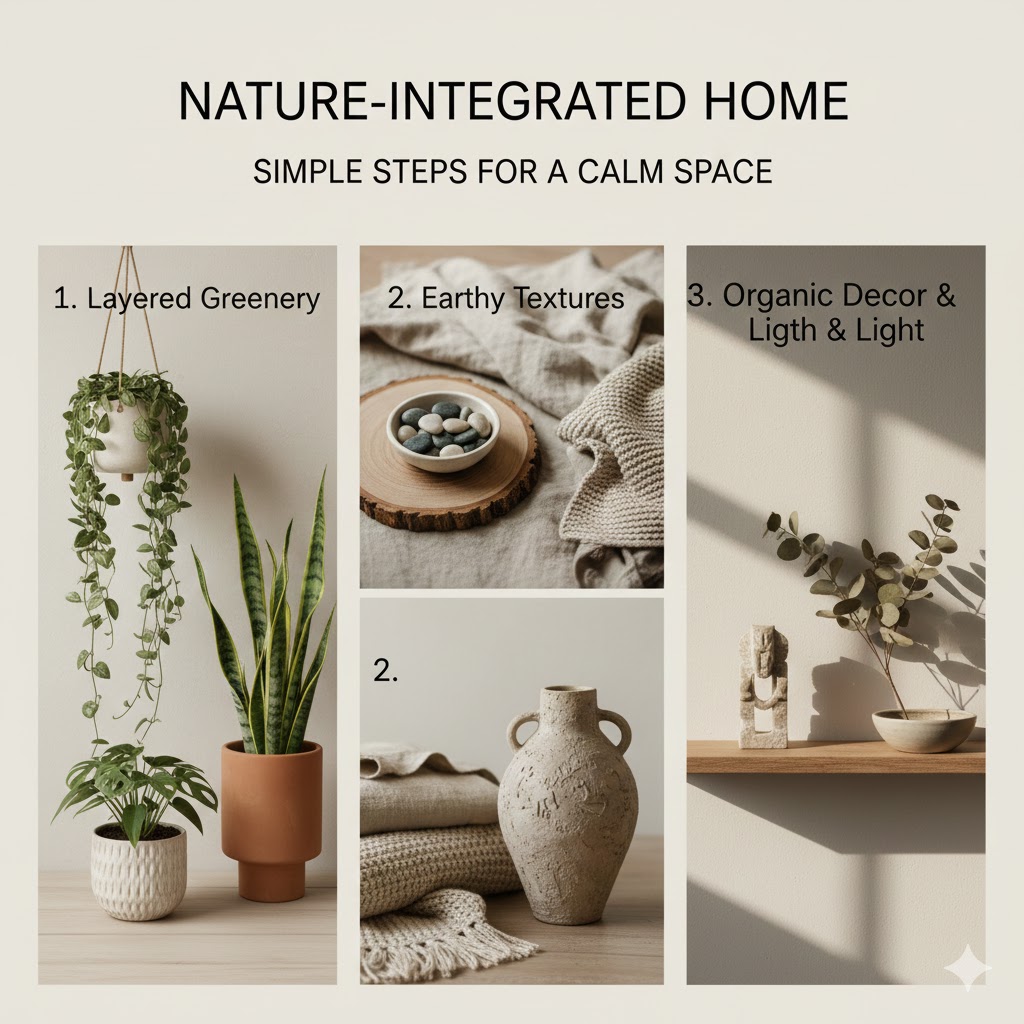
You don’t need a full remodel to embrace this trend. Start small and layer intentionally:
- Swap synthetic décor for stone, clay, or wood pieces
- Introduce one moisture-regulating element (plants, humidifier, clay décor)
- Use natural color palettes inspired by earth, forest, and stone
- Focus on texture over pattern
- Let materials age naturally—imperfection is the goal
- Keep décor minimal to let materials breathe
Nature-integrated living isn’t about perfection—it’s about harmony.
The Future of Home Design Is Alive
Nature-Integrated Living reflects a deeper shift in how we view our homes. They’re no longer just places to live—they’re environments that support our nervous system, creativity, and emotional health.
As we move further into 2025, this trend will continue to influence:
- Sustainable architecture
- Wellness-focused interiors
- Slow living design philosophies
- Timeless, emotionally resonant homes
A nature-connected home doesn’t just look beautiful—it feels right.
Shop the Look: Nature-Integrated Living Essentials (2025 Trend)
1. Natural Clay & Earth Texture Accents
- Clay vases & planters — warm earth tones that bring texture and depth
- Earthenware wall décor — subtle tactile surfaces perfect for clay wall contexts
- Hand-crafted ceramic bowls — organic shapes that feel grounded
Perfect for shelves, coffee tables, entryways
2. Indoor Greenery & Planters
- Indoor mini greenhouse kits — stylish compact greenhouses for herbs or tropical plants
- Tall ceramic planters — elevate greenery in corners and living rooms
- Macramé plant hangers — boho texture that complements nature-integrated style
Great for kitchens, sunrooms, and living hubs
3. Moss Wall Art & Organic Botanical Sculptures
- Preserved moss wall panels — evergreen texture without watering
- Moss sphere décor — sculptural green accents that pop
- Botanical art prints — nature-inspired art for calming interiors
Ideal for hallways, reading nooks & home offices
4. Water Elements & Air Enhancers
- Waterfall humidifiers — functional décor with gentle water movement
- Stone fountain humidifier — merging sound, texture, and moisture
- Aroma diffusers with stone finish — subtle scent meets earthy design
Perfect near seating areas or bedrooms
5. Raw-Edge Wood & Earthy Furniture
- Live-edge wood coffee tables — organic shapes that anchor the room
- Solid wood benches & stools — nature’s texture as function
- Rustic shelving — minimalist but warm
Great as focal pieces that set tone
6. Stone & Mineral Décor
- Natural stone trays & coasters — utilitarian accents with beauty
- Quartz or crystal décor pieces — subtle light reflection + grounding feel
- Marble candle holders — serene focal points on tabletops
Best for coffee tables, mantels & shelves
How to Style Them Together
Layer a live-edge wood coffee table with a stone tray and clay vases filled with greenery
Place a moss sphere on a minimalist shelf next to natural light
Set a waterfall humidifier beside a textured rug for audible calm and cozy texture
Related
- biophilic design evolution
- Nature-inspired interior design: A Calm Blend of Greenery & Light
- Inside a Solarpunk Home: Blending Nature, Technology & Artful Sustainability
- 12 Beautiful Sunroom Ideas to Inspire Your Home Makeover
- Nature-Connected Living Spaces: Light-Filled Natural Home Décor Style
- Modern Natural Home Entrance Design: A Calm Blend of Greenery & Light