
Smart Gardening Tech for Fall/Winter: Extend Your Green Thumb Through the Cold Seasons
When cooler weather rolls in, many gardeners pack away their tools until spring. But with smart gardening technology, you don’t have to stop enjoying your favorite hobby during fall and winter. From automated watering systems to indoor grow lights, there are plenty of innovative solutions to keep your plants thriving year-round. Whether you’re nurturing a cozy indoor herb garden or preparing your backyard for the next planting season, smart garden gadgets can help you save time, conserve energy, and keep plants healthy—even in the frostiest months.
In this guide, we’ll explore the best smart gardening tech for fall and winter, offering practical tips, must-have gadgets, and ideas for creating a low-maintenance yet productive garden during colder months.
Why Use Smart Gardening Tech in Fall and Winter?
Colder weather presents challenges for gardeners: shorter daylight hours, unpredictable frosts, and dry indoor air from heating systems. Smart gardening technology helps bridge these seasonal gaps by providing automation, monitoring, and climate control. Benefits include:
- Consistent care: Automated watering and smart soil sensors prevent overwatering or neglect.
- Extended growing season: LED grow lights and smart planters allow indoor gardening when outdoor beds are dormant.
- Energy savings: Many devices optimize water and electricity usage, perfect for eco-conscious gardeners.
- Convenience: Monitor and control your garden from your smartphone—even while traveling during the holidays.
Best Smart Gardening Tools for Fall/Winter
1. Smart Indoor Garden Systems
If you want to grow fresh herbs, microgreens, or leafy greens in winter, a smart indoor garden kit is a perfect choice. Brands like AeroGarden, Click & Grow, and Gardyn use hydroponic technology, built-in LED grow lights, and automated timers to mimic ideal growing conditions. Simply plug in, add water, and watch your plants flourish without worrying about sunlight or outdoor temperatures.
Best for: Busy homeowners, apartment dwellers, or anyone who wants fresh herbs for winter recipes.
2. Smart Grow Lights
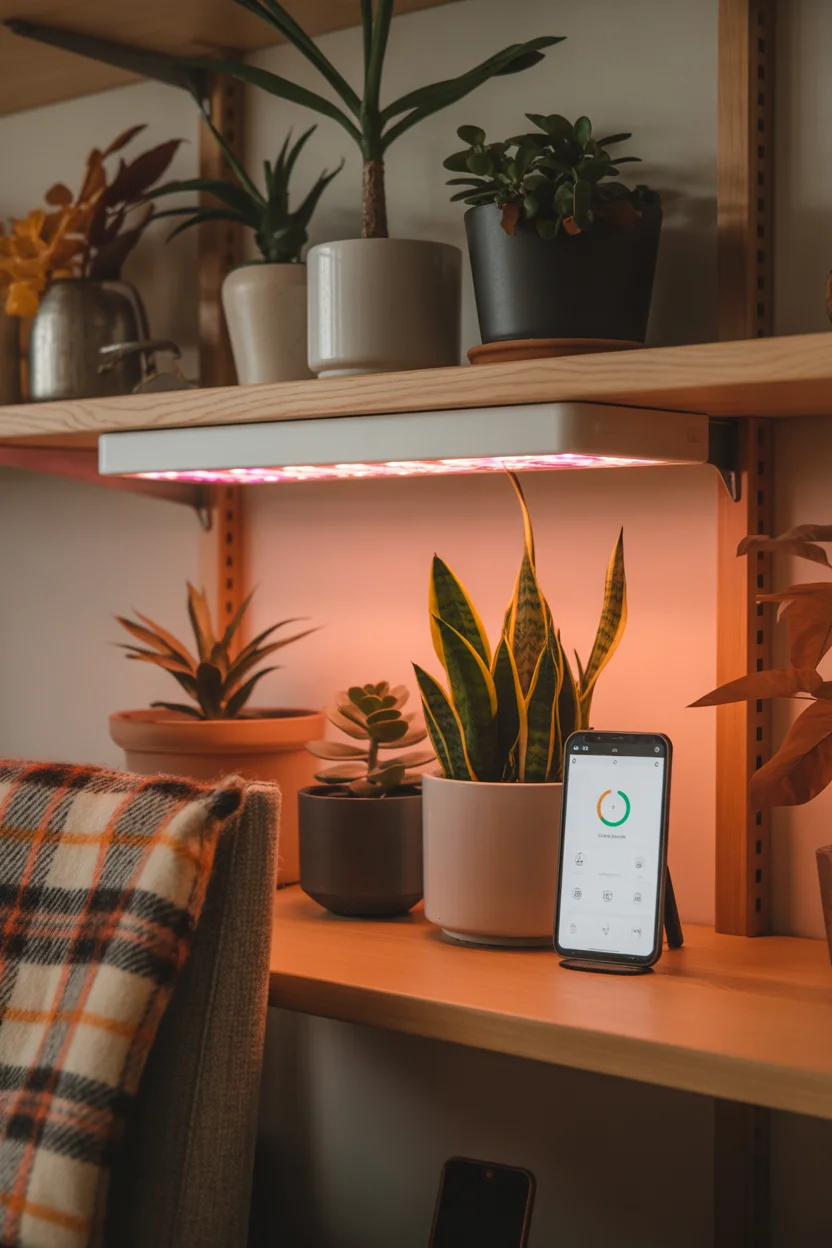
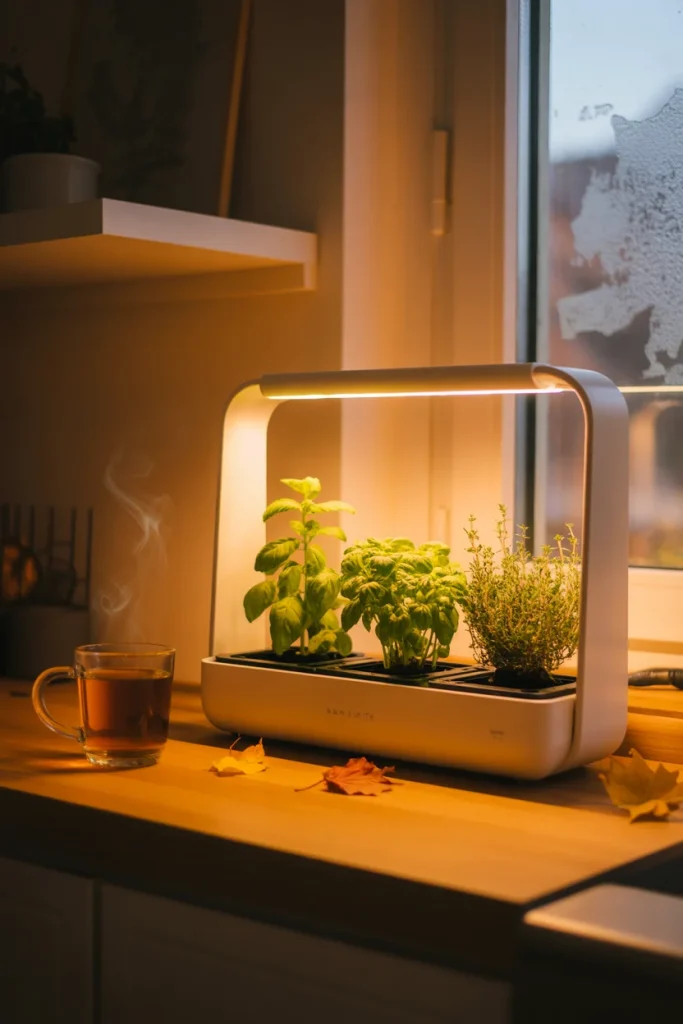
Short days and weak sunlight can make it difficult for plants to photosynthesize. Smart LED grow lights are programmable and mimic the natural spectrum of sunlight. Many models connect to apps, allowing you to set timers, adjust light intensity, and track plant growth.
Tip: Place grow lights near your windowsill herb garden or indoor potted plants to keep them green and lush through the darker months.

3. Soil Moisture & pH Sensors
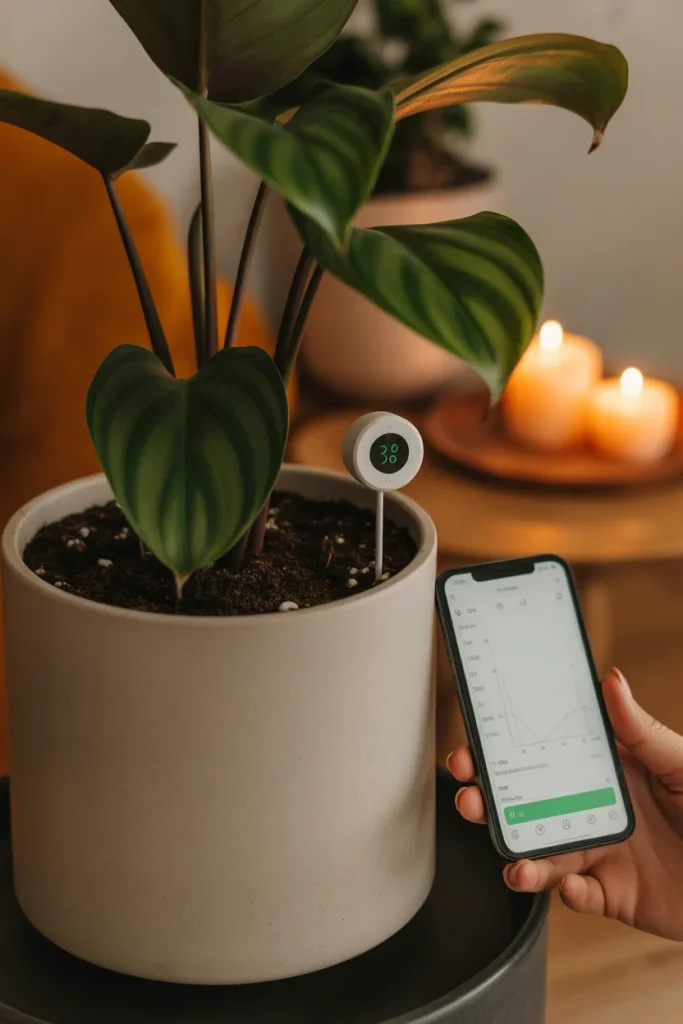
Dry winter air can quickly dehydrate soil, while overwatering indoors can lead to root rot. Smart soil sensors measure moisture, pH, and nutrient levels in real time. Connect them to your phone to get instant notifications when your plants need attention.
Investing in smart soil sensors for fall gardening ensures plants get the right balance of water and nutrients even when temperatures drop.
4. Automated Watering Systems
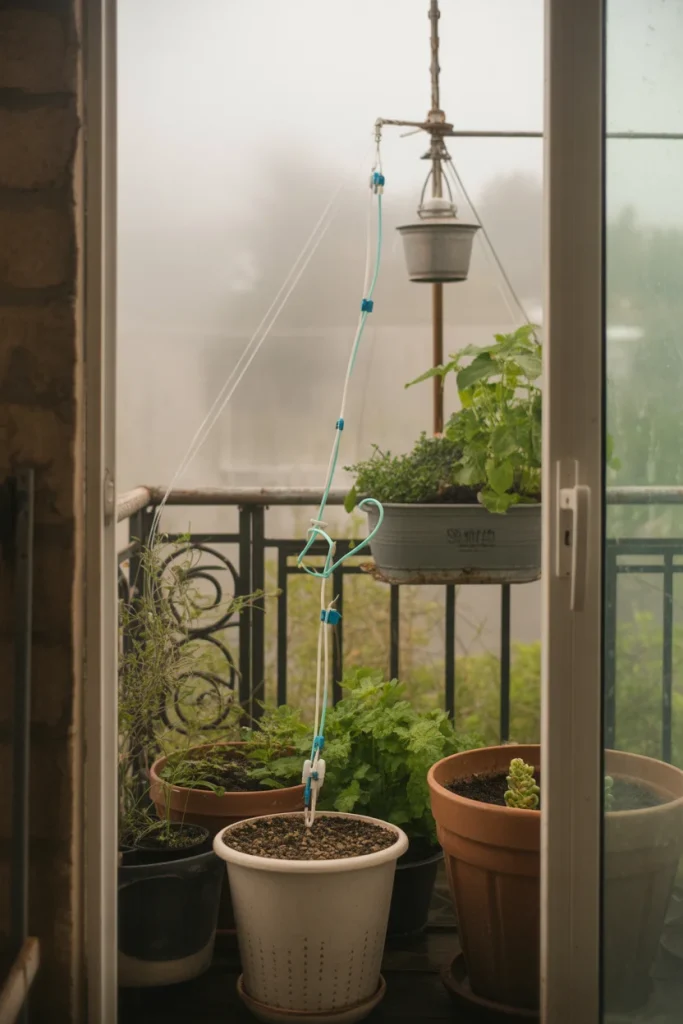
Outdoor gardeners can also benefit from smart irrigation systems during fall. These setups use weather forecasts and soil data to adjust watering schedules automatically. In areas with mild winters, this prevents overwatering during rainy spells and saves water on dry days.
For indoor gardens, compact smart drip systems can keep houseplants consistently hydrated without manual care.
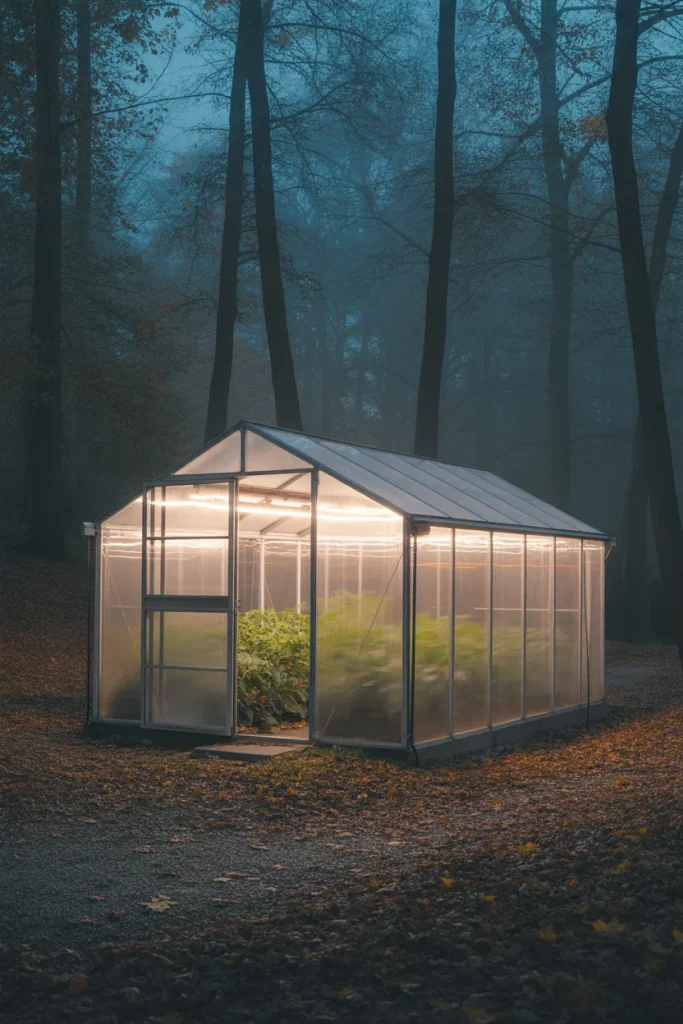
5. Climate-Controlled Greenhouses
If you have space for a greenhouse, consider upgrading with smart tech. Automated heating, cooling, and ventilation systems help maintain the ideal environment for year-round gardening. Some models even include remote monitoring, so you can adjust settings from your phone.
Best plants for smart greenhouses in winter: Tomatoes, peppers, salad greens, and even strawberries.
6. Smart Composting Devices
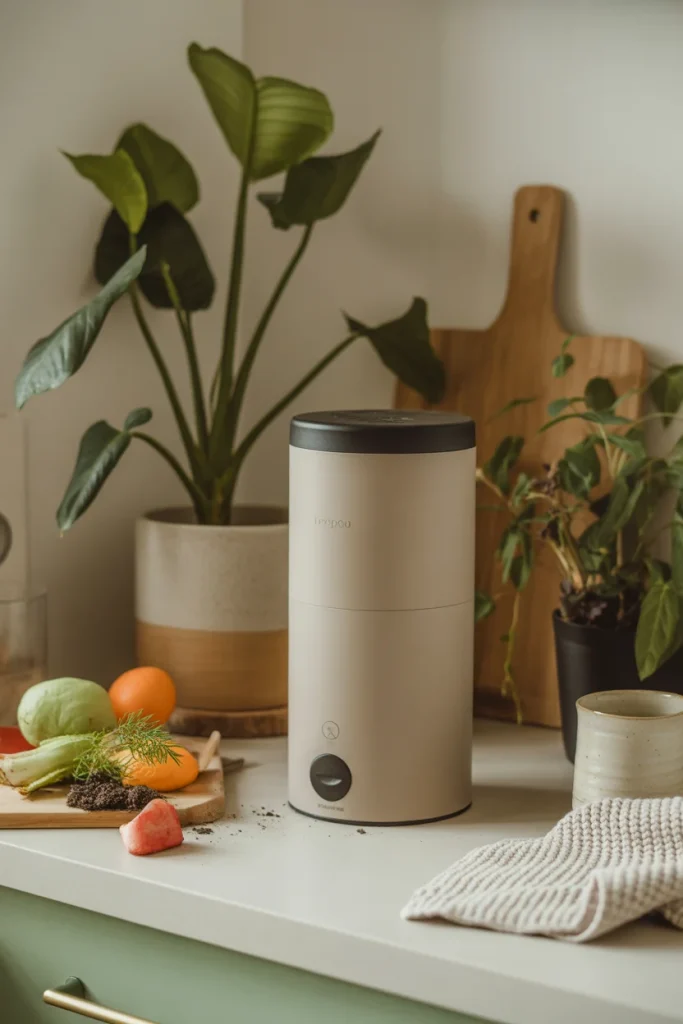
Don’t let food scraps go to waste in winter. Smart compost bins speed up the composting process indoors with odor-control technology and real-time monitoring. By spring, you’ll have nutrient-rich compost ready for your outdoor beds.
Tips for Using Smart Gardening Tech in Fall/Winter
- Choose energy-efficient devices: Look for LED grow lights and low-power irrigation systems to keep costs down.
- Start small: Begin with a compact smart indoor garden before expanding into larger greenhouse automation.
- Pair with traditional methods: Mulching outdoor beds and insulating pots can work alongside smart tech to protect plants from frost.
- Track plant growth: Many gardening apps now sync with devices, letting you log progress and plan your planting calendar for spring.
Popular Plants to Grow with Smart Gardening Tech in Winter
- Herbs: Basil, thyme, oregano, parsley, mint
- Leafy greens: Lettuce, kale, spinach, arugula
- Microgreens: Radish, broccoli, pea shoots, sunflower
- Fruiting plants (greenhouse): Cherry tomatoes, peppers, dwarf citrus
Final Thought
Smart gardening tech isn’t just a trend—it’s a practical solution for anyone who wants to keep gardening through fall and winter. By using smart indoor gardens, automated watering systems, grow lights, and soil sensors, you can enjoy fresh herbs, healthy plants, and even greenhouse-grown vegetables no matter the season.
From sustainable composting to climate-controlled greenhouses, technology bridges the gap between traditional gardening and modern convenience. So instead of waiting for spring, why not let smart gardening gadgets extend your growing season and bring greenery into your home this fall and winter?
Choosing the Right Tech for Your Space and Budget
The best smart gardening tech is the kind that fits your space, your plants and your budget, rather than the device with the longest feature list. Start by naming the one job you most want help with, such as watering while you are away, adding light on short days, or watching soil moisture. One well-chosen tool that solves that job is usually a better buy than several gadgets that overlap.
Measure your space before you buy, and check what a device needs to work well, such as a power outlet, a water source or a place to mount it. Apartment growers may only need a compact light or a single sensor, while a greenhouse can justify a larger system. Setting a simple budget first, and leaving room for the small extras like mounts or replacement parts, keeps the project enjoyable instead of overwhelming.
Common Setup Mistakes to Avoid
Most smart gardening problems start at setup rather than with the device itself. A common mistake is placing a sensor or light without checking how the plant actually grows, so the reading or the light misses the spot that matters. Another is connecting everything at once, which makes it hard to tell which change helped and which one caused a problem when something looks off.
Take setup one step at a time. Position each tool, check that it is secure and reading or running as expected, and give plants a little time to respond before adding the next device. Keep cables and water lines tidy and away from walkways, test any app alerts before you rely on them, and keep the basic hand tools nearby. Smart tech works best as a helper alongside regular observation, not as a replacement for looking at your plants.
How Smart Tech Helps Between Seasons
The weeks between growing seasons are when smart tools quietly earn their place. Sensors and apps hold a record of light, moisture and temperature patterns, so you can look back and see what your space actually did, rather than guessing. That history makes it easier to plan what to grow next, where to place it, and which settings to adjust before the new season starts.
Between seasons is also a good time to bring tender plants indoors in stages, using lights and watering support to soften the change, and to start seeds or cuttings under controlled conditions before outdoor space is ready. A short review of what worked, what struggled and what you would change gives the next season a head start, with less trial and error and more of the calm, steady care plants like best.
It also turns the in-between weeks into useful gardening time, instead of a pause, keeping your routine going until planting picks up again.
Keeping Smart Garden Tech Clean and Working Well
Smart garden tools work outdoors and around water, soil and fertilizer, so a little regular care keeps them accurate and reliable. Wipe sensors and light surfaces clean when they look dusty or splashed, and check that probes and fittings are seated properly. A device that is dirty or loosely fitted can give readings that lead you to water or feed at the wrong time.
Set a simple rhythm for the small jobs: recharge or replace batteries before they run flat, look over cables and tubing for wear, and update apps or device software when you have a quiet moment. Store spare parts and manuals where you can find them, and note any settings that worked well so you can return to them next season. A few minutes of upkeep now and then protects your plants, your tools and your budget all at once.
Related
- Guide to Sustainable Gardening and Landscaping: Creating Harmony with Nature
- Sustainable and Eco-Friendly Living: 12 Practical Ideas, Tips & Surprising Stats to Inspire You
- Terrarium Trends: Smart, Stylish & Sustainable Ideas for Your Home
- Indoor Gardening During Winter: A Complete Guide to Thriving Plants in Cold Months
- Inside a Solarpunk Home: Blending Nature, Technology & Artful Sustainability




3 Comments