Sustainable Spring Gardening: Starting Fresh with Zero Waste
Spring is the season of renewal — longer days, warmer soil, and that irresistible urge to start fresh. For gardeners, it’s the perfect time to rethink not just what we grow, but how we grow it. Sustainable spring gardening focuses on nurturing plants while reducing waste, conserving resources, and working in harmony with nature. Even better? A zero-waste garden is often more affordable, resilient, and rewarding in the long run.
Whether you’re tending a backyard plot, raised beds, or a small balcony garden, adopting zero-waste gardening practices can transform your spring routine into something more intentional and eco-friendly. Let’s explore how to start the season fresh — without sending unnecessary waste to the landfill.
Why Sustainable Spring Gardening Matters
Spring gardening traditionally comes with plastic seed trays, disposable pots, chemical fertilizers, and excess water usage. While convenient, these habits quietly contribute to environmental strain.
Sustainable gardening aims to:
- Reduce plastic and single-use materials
- Improve soil health naturally
- Support pollinators and local ecosystems
- Minimize water and energy waste
- Create a closed-loop system where nothing is wasted
A zero-waste garden doesn’t mean perfection — it means mindful choices that add up over time.
Start with the Soil: The Foundation of Zero-Waste Gardening
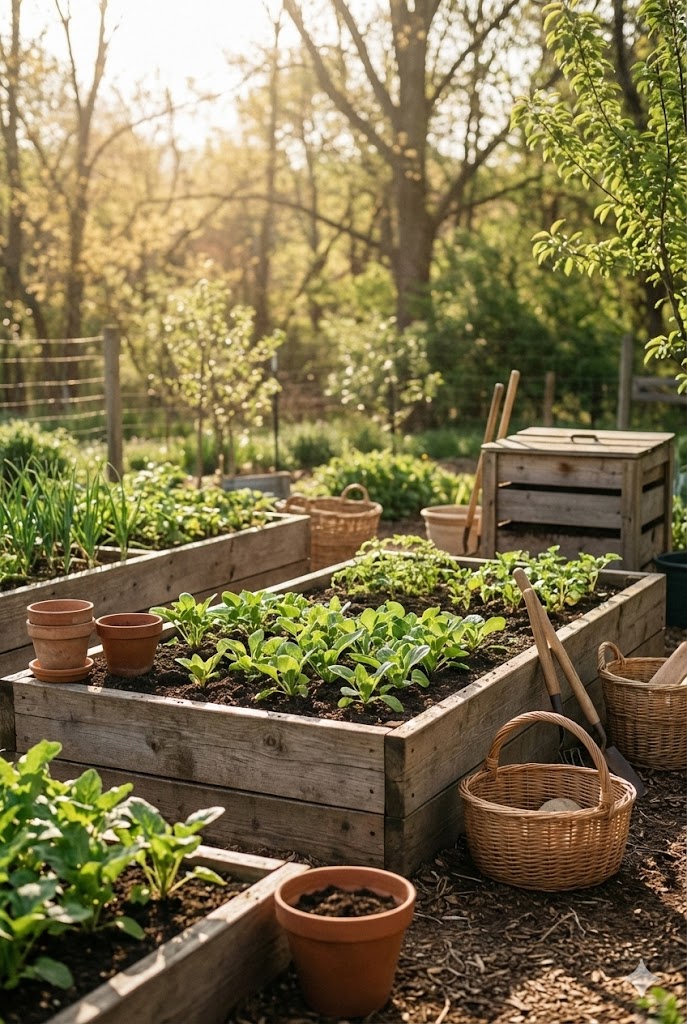
Healthy soil is the heart of sustainable gardening. Instead of buying bag after bag of commercial soil amendments, look at what you already have.
Compost: Your Best Zero-Waste Tool
Kitchen scraps and garden waste are gold in a spring garden. Composting:
- Reduces household waste
- Creates nutrient-rich soil
- Improves water retention
- Eliminates the need for synthetic fertilizers
What to compost in spring:
- Vegetable peels and coffee grounds
- Crushed eggshells
- Dried leaves and grass clippings
- Cardboard egg cartons and paper towels
If outdoor composting isn’t an option, try a small compost bin or vermicomposting (worm composting) indoors.
Reviving Old Soil Instead of Replacing It
Rather than discarding last year’s potting soil:
- Mix it with compost
- Add leaf mold or coco coir
- Aerate by loosening compacted soil
This zero-waste approach saves money and reduces packaging waste.
Zero-Waste Seed Starting Ideas for Spring
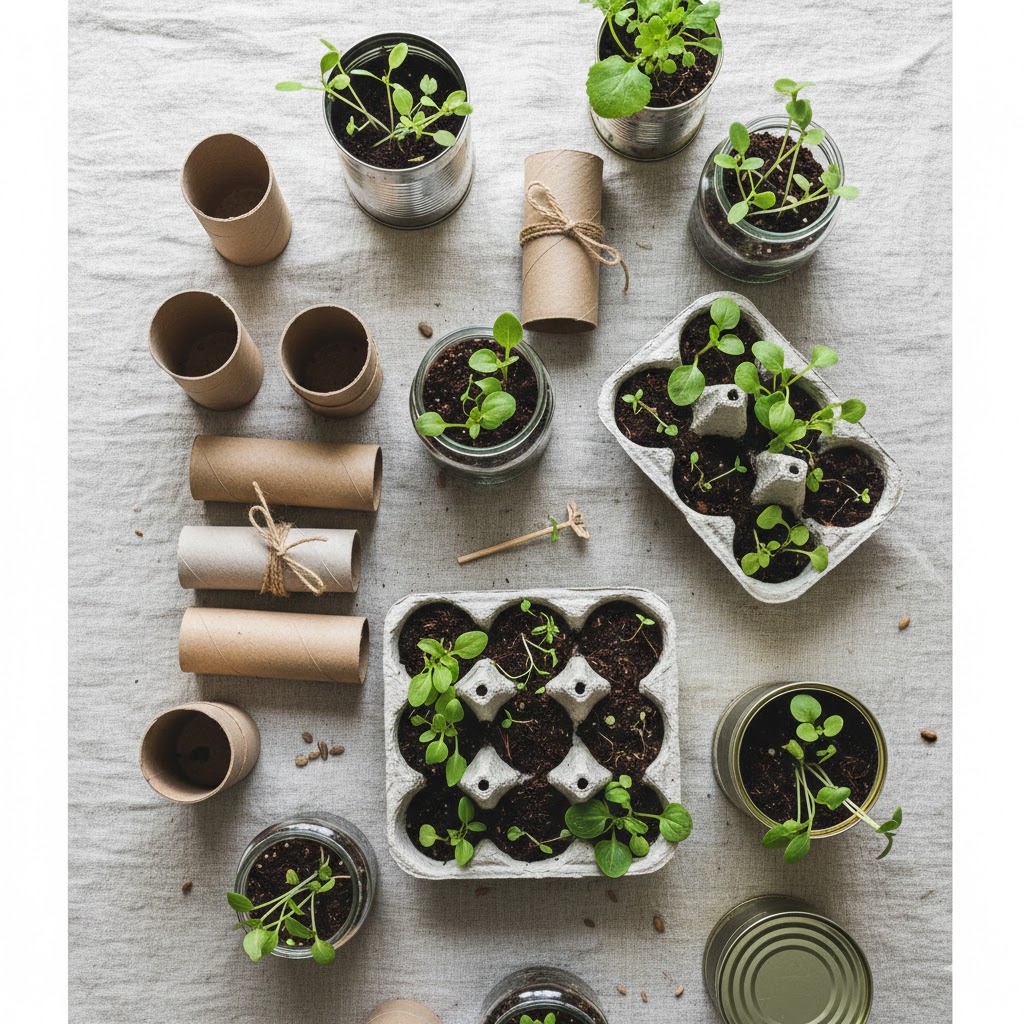
Seed starting is one of the easiest areas to eliminate waste.
Reusable & DIY Seed Containers
Skip plastic nursery trays and use:
- Toilet paper rolls
- Egg cartons
- Yogurt cups (with drainage holes)
- Tin cans or glass jars (for herbs)
These DIY seed starters are biodegradable or endlessly reusable.
Choose Open-Pollinated and Heirloom Seeds
Heirloom and open-pollinated seeds allow you to:
- Save seeds at the end of the season
- Avoid buying new packets every year
- Preserve plant diversity
Store saved seeds in paper envelopes or glass jars for a truly zero-waste cycle.
Thoughtful Plant Selection for a Sustainable Garden
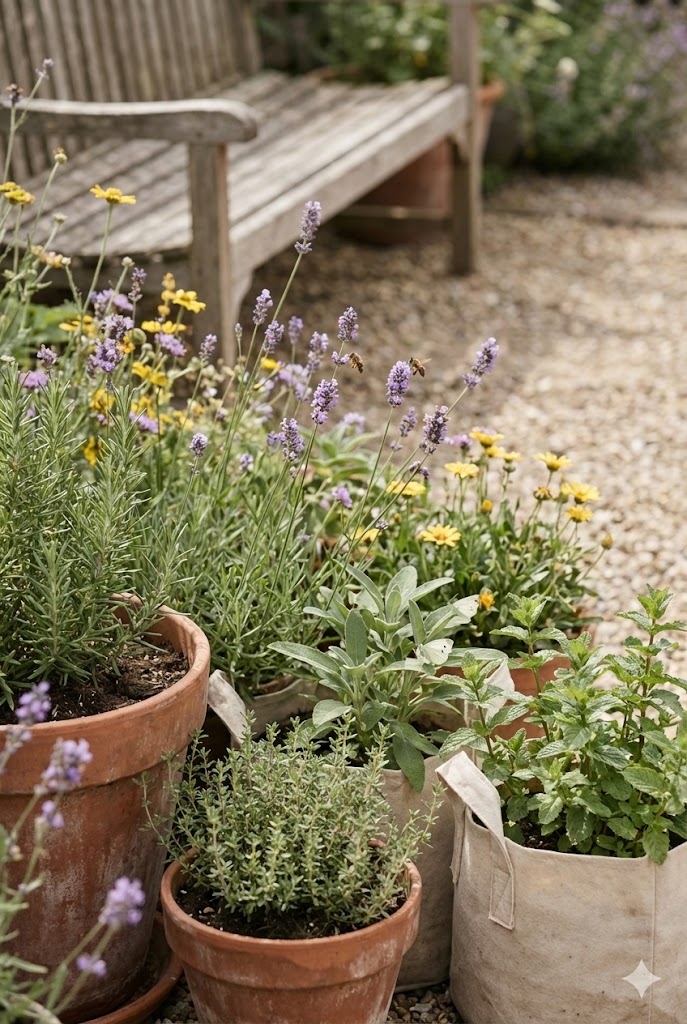
A sustainable spring garden starts with smart plant choices.
Native Plants & Perennials
Native plants:
- Require less water
- Thrive without chemical fertilizers
- Support local pollinators
Perennials return year after year, reducing the need for replanting and excess soil disturbance.
Grow What You’ll Actually Use
Zero-waste gardening also means avoiding food waste. Focus on:
- Herbs you cook with regularly
- Vegetables your household loves
- Multi-purpose plants (like mint or rosemary)
This reduces excess harvest that often goes unused.
Water Wisely: Eco-Friendly Irrigation Tips
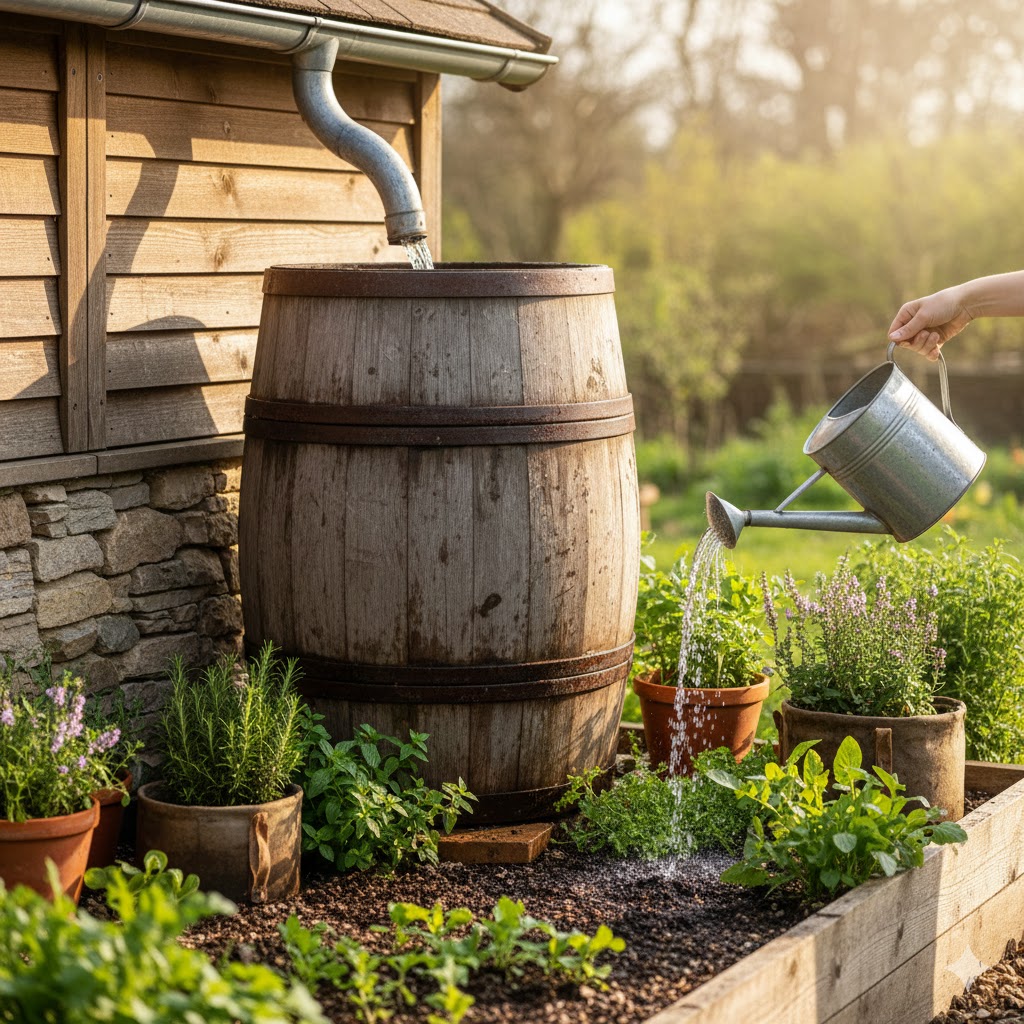
Spring rain is a gift — learn to capture and use it.
Rainwater Collection
A simple rain barrel or container under a downspout can:
- Reduce tap water use
- Provide chlorine-free water for plants
- Lower utility costs
Even small balconies can benefit from collecting rain in decorative containers.
Mulching for Moisture Retention
Mulch is a zero-waste hero:
- Retains soil moisture
- Suppresses weeds
- Improves soil health
Use shredded leaves, straw, bark, or even newspaper topped with compost.
Natural Pest Control Without Waste or Chemicals
Chemical pesticides create waste and harm beneficial insects. Instead, choose eco-friendly pest management.
Companion Planting
Plant pairings like:
- Basil with tomatoes
- Marigolds near vegetables
- Lavender around garden edges
These naturally deter pests and attract pollinators.
DIY Natural Sprays
Make simple pest deterrents using:
- Neem oil
- Garlic and chili water
- Soapy water (plant-safe ratios)
Store sprays in reused glass bottles for a zero-waste solution.
Repurpose & Upcycle Garden Supplies
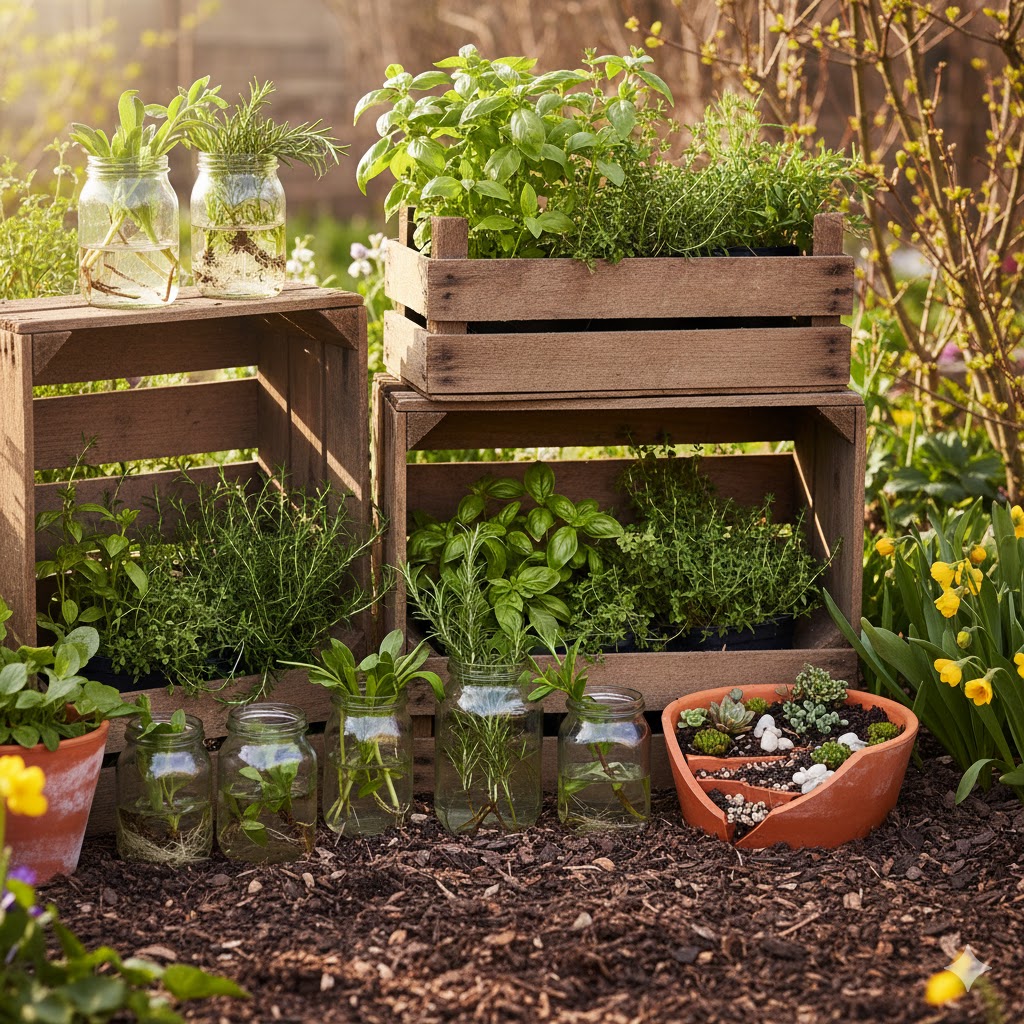
Before buying new tools or décor, look around your home.
Creative Upcycling Ideas
- Broken terracotta pots as drainage layers
- Old ladders as vertical planters
- Wooden crates for raised beds
- Glass jars for plant propagation
Upcycled garden décor adds charm while keeping materials out of landfills.
Zero-Waste Garden Maintenance Habits
Sustainability doesn’t stop after planting.
Leave the Leaves
Instead of bagging garden debris:
- Leave leaves as mulch
- Compost plant trimmings
- Allow seed heads to remain for birds
This creates a natural ecosystem and reduces waste.
Share & Swap
Spring is ideal for:
- Seed swaps with neighbors
- Plant cuttings exchange
- Sharing extra compost or mulch
Community sharing reduces overproduction and strengthens local connections.
Sustainable Gardening for Small Spaces

You don’t need a backyard to garden sustainably.
Balcony & Indoor Zero-Waste Gardening
- Grow herbs in reused jars
- Use fabric grow bags instead of plastic
- Compost with worms or bokashi systems
Even a windowsill garden can follow zero-waste principles.
The Long-Term Benefits of Sustainable Spring Gardening
Choosing sustainable gardening practices offers more than environmental benefits:
- Healthier, more productive plants
- Lower gardening costs over time
- Reduced household waste
- A deeper connection with nature
Most importantly, it turns spring gardening into an act of care — for your home, your food, and the planet.
Final Thoughts: Start Small, Grow Mindfully
You don’t have to overhaul everything at once. Sustainable spring gardening with zero waste is about progress, not perfection. Start by composting, reuse what you have, and make one eco-conscious choice at a time.
Every seed planted thoughtfully and every item reused is a step toward a greener, more intentional garden. This spring, let your garden reflect not just growth — but care, balance, and sustainability
Frequently Asked Questions: Sustainable Spring Gardening
Q1. What is sustainable spring gardening?
Sustainable spring gardening focuses on growing plants in a way that conserves resources, reduces waste, and supports soil health and biodiversity. It includes practices like composting, water conservation, choosing native plants, and avoiding chemical fertilizers or single-use plastics.
Q2. How can I start a zero-waste garden in spring?
To start a zero-waste garden in spring:
- Reuse containers for seed starting
- Compost kitchen and garden waste
- Save seeds from previous plants
- Use natural mulch like leaves or straw
- Avoid synthetic fertilizers and pesticides
Small changes can significantly reduce garden waste over time.
Q3. What are the best zero-waste seed starting ideas?
Zero-waste seed starting ideas include using toilet paper rolls, egg cartons, yogurt cups, or tin cans as seed containers. Choose heirloom or open-pollinated seeds so you can save seeds for future seasons and reduce packaging waste.
Q4. Is composting necessary for sustainable gardening?
Composting is one of the most important parts of sustainable gardening. It reduces household waste, improves soil structure, adds nutrients naturally, and eliminates the need for chemical fertilizers. Even small gardens can compost using indoor bins or worm composting systems.
Q5. How do I garden sustainably without using plastic?
You can reduce plastic in your garden by:
- Using terracotta or fabric pots
- Reusing glass jars and metal containers
- Buying soil and mulch in bulk
- Avoiding plastic plant labels and tools
Over time, replacing plastic items with durable alternatives makes gardening more eco-friendly.
Q6. What plants are best for a sustainable spring garden?
Native plants, perennials, herbs, and drought-tolerant vegetables are ideal for sustainable gardening. These plants require less water, fertilizer, and maintenance while supporting pollinators and local ecosystems.
Q7. How can I save water in my spring garden?
Water-saving gardening tips include:
- Collecting rainwater
- Mulching soil to retain moisture
- Watering early in the morning
- Choosing drought-tolerant plants
These methods help conserve water while keeping plants healthy.
Q8. Are natural pest control methods effective?
Yes, natural pest control methods are very effective when used consistently. Companion planting, neem oil sprays, and encouraging beneficial insects like ladybugs help manage pests without harming the environment or creating chemical waste.
Q9. Can sustainable gardening work in small spaces or apartments?
Absolutely. Sustainable gardening works well in balconies, patios, and indoor spaces. You can grow herbs in reused containers, compost with worms, and practice water conservation even in limited spaces.
Q10. What are the long-term benefits of zero-waste gardening?
Zero-waste gardening leads to healthier soil, stronger plants, reduced household waste, lower gardening costs, and a more resilient garden ecosystem. It also helps reduce your environmental footprint while creating a more intentional gardening routine.