

Guide to Sustainable Gardening and Landscaping: Creating Harmony with Nature
Sustainable gardening is more than just a trend — it’s a smarter, more responsible way to design outdoor spaces. By combining sustainable gardening techniques with eco-friendly landscaping, you can create a garden that thrives naturally while reducing water use, waste, and environmental impact.
Sustainable gardening and landscaping have become essential as more homeowners look for ways to create beautiful outdoor spaces without harming the environment. Instead of relying on chemicals, excessive water, or energy-heavy landscaping methods, sustainable gardening encourages smart design, ecological awareness, and long-term plant health.
This guide goes beyond general concepts and provides practical, actionable strategies you can apply immediately — whether you’re designing a backyard garden, refreshing your landscaping, or starting completely from scratch.
What Makes a Garden Truly Sustainable?

A sustainable garden is designed to function like a miniature ecosystem. It uses natural processes to stay healthy, reduces waste, conserves resources, and supports wildlife. It’s not just “gardening without chemicals” — it’s about creating a self-supporting landscape that thrives with minimal intervention.
A high-value sustainable garden typically includes:
- Plants that suit the climate and soil
- Smart irrigation and water-conserving practices
- Healthy soil created through composting and organic matter
- Wildlife-friendly elements that support pollinators
- Eco-friendly materials and low-impact landscaping choices
Let’s break these elements into detailed, actionable steps you can implement.
1. Choose Plants That Thrive Naturally (Native or Climate-Compatible)

Plants that align with your climate and soil conditions are the backbone of an eco-friendly garden. They naturally require fewer resources and are more resistant to pests.
How to choose climate-compatible plants:
- Look at rainfall, sunlight hours, and temperature ranges in your region.
- Pick plants that flourish under these natural conditions with minimal intervention.
- Combine drought-tolerant species with leafy, moisture-loving varieties to balance the garden’s microclimates.
Value-added tip:
Create layered plant zones — ground covers, shrubs, and taller plants — to mimic natural plant communities. This reduces soil erosion, retains moisture, and increases biodiversity.
2. Smart Water Management: Save Water Without Sacrificing Beauty
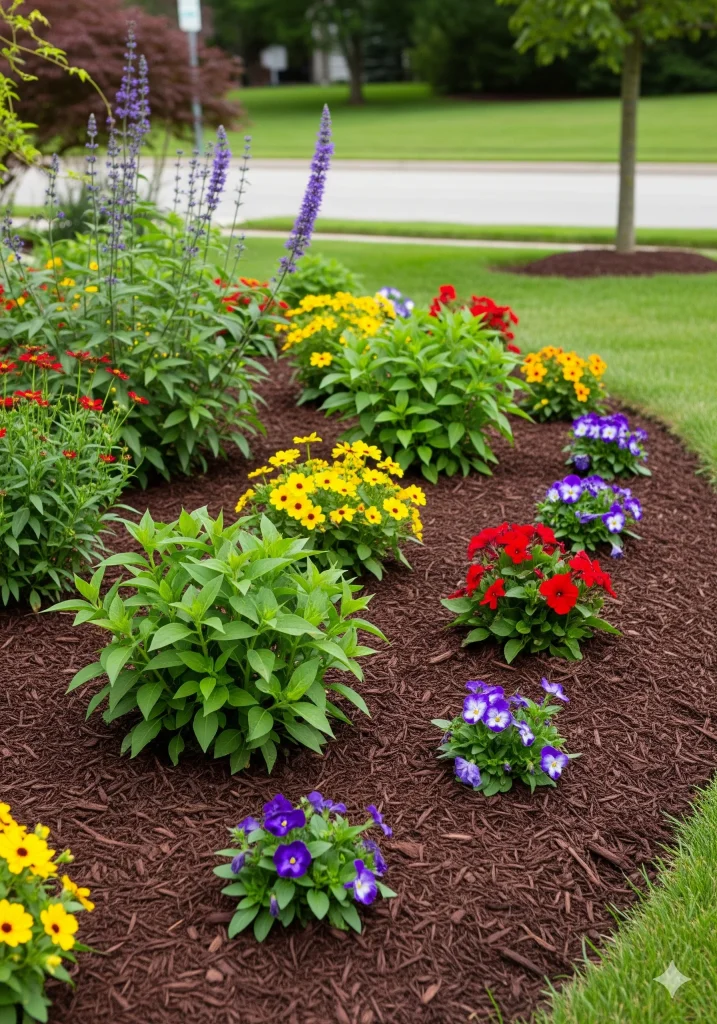
Instead of traditional sprinklers or daily hose watering, Water Management Techniques are efficient systems that deliver water only where needed.
Actionable ways to conserve water:
- Drip irrigation: Delivers water directly to roots; reduces evaporation by up to 60%.
- Soil moisture meters: Helps you avoid overwatering and prevents root rot.
- Mulching: Add 2–3 inches of organic mulch to reduce evaporation and suppress weeds.
- Rainwater harvesting: Store rainwater in barrels to use during dry spells.
Professional tip:
Group plants by water needs (“hydrozoning”). This prevents overwatering low-need plants and reduces system strain. Implement environmentally friendly landscaping by installing water butts (rain barrels), drip irrigation, and mulching to minimize water waste.
3. Build Healthy Soil Naturally With Compost + Organic Amendments
Healthy soil is the single biggest factor in a successful green garden. Instead of chemical fertilizers, focus on enriching your soil through natural processes.
How to make your soil healthier:
- Add compost regularly to boost microbial life.
- Mix in shredded leaves, bark, or coconut coir to improve soil structure.
- Rotate planting zones each season to prevent nutrient depletion.
- Use cover crops (like clover or ryegrass) to protect and enrich soil between seasons.
Healthy soil reduces the need for fertilizer and keeps your garden self-sustaining year after year.
Healthy soil is the foundation of sustainable gardening, and research from the Rodale Institute supports the use of organic methods.
What to compost:
- Carbon-rich materials: dry leaves, cardboard, paper
- Nitrogen-rich materials: fruit peels, vegetable scraps, coffee grounds
- Avoid: meats, oils, diseased plants
Composting not only improves soil health but also reduces landfill waste, a benefit highlighted by the Natural Resources Defense Council.
Composting plays a key role in sustainable gardening, helping improve soil structure while reducing household waste.
4. Choose Sustainable Hardscaping Materials That Last Longer

Landscaping isn’t just plants. Your paths, patios, edging, and furniture all impact your garden’s sustainability.
Eco-friendly hardscaping ideas:
- Use permeable pavers to reduce water runoff and encourage groundwater recharge.
- Choose recycled wood, composite lumber, or bamboo for decks and fencing.
- Pick natural stone or reclaimed bricks for pathways.
- Replace large concrete areas with gravel, stepping stones, or mulched walkways.
These choices reduce heat absorption, prevent flooding, and blend beautifully with organic landscapes.
You may also like: Hardscaping Ideas: Transform Your Outdoor Space with Lasting Beauty
5. Fill Your Garden With Life: Support Pollinators + Biodiversity
A sustainable garden is alive — buzzing bees, fluttering butterflies, chirping birds, and helpful insects make the ecosystem stronger.
How to attract pollinators naturally:
- Plant flowers with staggered blooming periods (spring → summer → fall).
- Add nectar-rich varieties such as lavender, echinacea, zinnias, and sunflowers.
- Keep a shallow water source for insects and birds.
- Avoid pesticides — even “organic” ones can harm beneficial insects.
Bonus idea:
Include a “pollinator strip” — a narrow bed filled with nectar-heavy flowers — to draw insects across your entire garden. Use native plants to build a sustainable landscape design that requires less water, fewer fertilizers, and provides habitat for local pollinators.
Creating pollinator-friendly gardens is essential for biodiversity, as emphasized by the Xerces Society.
6. Go Fully Organic — Eco-Conscious Gardening
Organic gardening is about creating balance, not eliminating all intervention.
Natural pest control that works:
- Introduce beneficial insects: ladybugs, lacewings, predatory wasps
- Use neem oil or insecticidal soap as a gentle last resort
- Use physical barriers (row covers, mesh nets) for edible plants
- Practice companion planting (e.g., basil repels pests near tomatoes)
Organic methods make your garden safer for pets, children, wildlife, and soil. One of the most important principles of sustainable gardening is working with natural systems instead of forcing plants to survive in unsuitable conditions.
7. Design Multipurpose Spaces That Work Harder

Sustainability also means using your garden space efficiently.
Ways to make your garden multifunctional:
- Create seating under a vine-covered pergola for natural shade
- Use edible landscaping: berry shrubs, herbs, fruit trees
- Add vertical gardens or trellises to grow more in small areas
- Build a rain garden to manage stormwater naturally
These ideas add beauty while also improving the ecosystem to enhance the environmentally friendly landscaping.
8. Reduce Lawn Area — Increase Eco-Friendly Zones

Lawns are one of the least sustainable parts of landscaping. They require water, mowing, and fertilizer.
Replace lawn areas with low maintenance eco-friendly garden:
- Ground covers (clover, creeping thyme, moss)
- Native grasses that require less mowing
- Rock gardens or ornamental beds
- Edible gardens or herb spirals
Less lawn = lower water bills + less maintenance + higher ecological value.
9. Add Renewable Energy Elements
Small changes can make your garden even more eco-friendly.
Easy upgrades:
- Solar-powered pathway lights
- A solar pump for a small fountain or pond
- Solar irrigation timers
- A wind-powered garden spinner or kinetic sculpture for airflow
These additions reduce electricity use and enhance your outdoor atmosphere.
You may also like: Solar-Powered Garden
Conclusion
A sustainable garden isn’t built overnight — it grows and evolves like any living system. By choosing climate-compatible plants, nurturing healthy soil, conserving water, welcoming wildlife, and using eco-friendly materials, you create a landscape that is beautiful and environmentally responsible.
The more you let your garden mimic natural ecosystems, the easier it becomes to maintain. Over time, your outdoor space turns into a living example of balance, resilience, and harmony with nature.
Frequently Asked Questions About Sustainable Gardening
What is sustainable gardening?
Sustainable gardening is an eco-friendly approach to growing plants that focuses on conserving resources, improving soil health, and supporting biodiversity. It involves using natural methods like composting, water conservation, and organic pest control to create a garden that thrives in harmony with the environment.
How do I start sustainable gardening at home?
tart small by choosing climate-compatible plants, reducing water usage, and avoiding chemical fertilizers. You can also begin composting kitchen waste and adding mulch to improve soil moisture. These simple steps make sustainable gardening easy and effective for beginners.
Why is sustainable gardening important?
Sustainable gardening helps reduce environmental impact by conserving water, minimizing waste, and protecting pollinators. It also creates healthier soil, lowers maintenance costs, and supports a more balanced ecosystem in your outdoor space.
What are the best plants for sustainable gardening?
The best plants for sustainable gardening are those that naturally thrive in your climate and soil conditions. Drought-tolerant plants, native species, and low-maintenance perennials are excellent choices because they require less water, fertilizer, and care.
How can I reduce water usage in sustainable gardening?
You can reduce water usage by installing drip irrigation systems, using mulch to retain soil moisture, and watering plants early in the morning or late in the evening. Collecting rainwater is another effective sustainable gardening method.
Is composting necessary for sustainable gardening?
Composting is highly recommended in sustainable gardening because it improves soil structure, adds nutrients naturally, and reduces household waste. It also eliminates the need for chemical fertilizers.
How do I control pests in a sustainable garden?
In sustainable gardening, pests are managed using natural methods like companion planting, introducing beneficial insects, and using organic sprays such as neem oil. Avoiding harmful pesticides helps protect pollinators and maintain balance in the ecosystem.
Can sustainable gardening save money?
Yes, sustainable gardening can reduce long-term costs by lowering water bills, minimizing the need for fertilizers and pesticides, and reducing maintenance. It also allows you to grow your own herbs, fruits, and vegetables.
What is the difference between sustainable gardening and organic gardening?
Organic gardening focuses mainly on avoiding synthetic chemicals, while sustainable gardening takes a broader approach. It includes water conservation, eco-friendly landscaping, biodiversity, and long-term environmental impact.
How long does it take to create a sustainable garden?
Creating a sustainable garden is a gradual process. You can start seeing improvements within a few weeks, but building healthy soil and a balanced ecosystem may take a full growing season or longer.
Related
- How to Build a Low-Maintenance Food Forest in Your Yard
- Sustainable and Eco-Friendly Living: 12 Practical Ideas, Tips & Surprising Stats to Inspire You
- 15 Stunning Front Yard Landscaping Ideas to Boost Curb Appeal
- Embrace the Solarpunk Lifestyle: Turning Your Balcony Garden into a Green Haven







One Comment