The Ultimate Stone Guide for Patio and Garden Hardscaping (Durable, Stylish & Beginner-Friendly)
When it comes to transforming a small garden or patio, the right hardscaping material can completely change the look, mood, and function of your outdoor space. Whether you prefer a clean modern vibe, a rustic cottage garden, or a Mediterranean courtyard, the stone you choose plays a huge role in durability, texture, and overall style.
In this guide, we’re breaking down the most popular stone types for patio and garden hardscaping — from flagstone to Karystian stone — along with how to use each one, plus styling tips so your small outdoor area feels cohesive, practical, and beautiful.
Why Stone Hardscaping Matters
Hardscaping is the “structure” of your garden — the backbone that supports your plants, furniture, and pathways. Choosing the right stone ensures:
- Long-lasting durability
- Easy maintenance
- Improved drainage
- A polished, designer look
- Better zones and flow in small spaces
Whether you’re planning a new patio, a walkway, edging, a retaining wall, or raised beds, picking the right stone can save you money and headaches later.
1. Karystian Stone: The Sleek, Marble-Like Favorite
Karystian natural stone has a beautiful marble-like appearance with soft veining and a smooth finish. It’s perfect if you want a clean, elegant outdoor style without committing to actual marble (which can be slippery and high-maintenance outdoors).
Best for: modern patios, feature walls, polished garden zones

Where to Use It
- Luxurious patio slabs
- Stylish garden walls
- A feature zone around a planter or seating area
- Steps for a sleek modern garden
Its subtle texture makes it ideal for small patios, where every detail matters for visual impact.
2. Flagstone: Natural Tiles for Organic Garden Paths
Flagstone is a hardscaping classic — irregular, flat stones that lay beautifully like natural tiles.
Best for: walkways, stepping-stone paths, rustic patios

Why Homeowners Love It
- Instantly creates a natural, organic look
- Works with gravel, soil, mulch, or cement
- Can be laid close together or with gaps filled with moss or pea gravel
Use flagstone to guide visitors through your garden or to create an informal patio that blends naturally with plants and greenery.
3. Slate: Sleek, Modern, and Slip-Resistant
Slate’s deep gray-blue color is stunning if you love moody, modern outdoor design. It also has natural traction, making it ideal around pools, water features, or rainy climates.
Best for: minimalist patios, outdoor kitchens, wet areas

Where Slate Works Best
- Sleek patio tiles
- Outdoor shower floors
- Steps and entryways
- Contemporary walkways
Its cool color palette pairs beautifully with black planters, grasses, and clean-lined furniture.
4. Limestone: Soft, Warm & Versatile
Limestone is easy to shape, making it perfect for gardeners who want beautiful curves in their design.
Best for: borders, curved walls, raised flower beds

Ideal Uses
- Garden edging
- Retaining walls
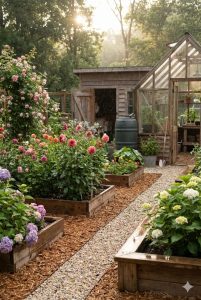
- Raised vegetable beds
- Warm-tone patios
Its soft beige and cream tones work especially well in Mediterranean, cottage, or farmhouse gardens.
5. Granite: The Ultra-Durable Powerhouse
Granite is one of the toughest stones you can use outdoors — heat-resistant, weather-proof, and long-lasting.
Best for: high-traffic patios, fire pits, outdoor cooking areas
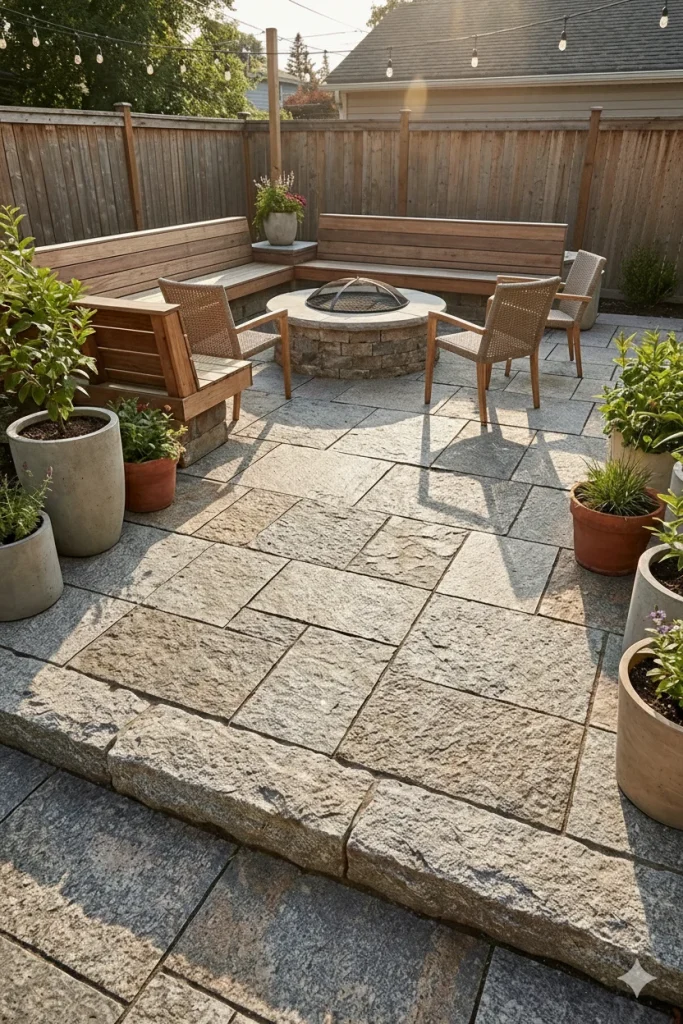
Use Granite For
- Patio pavers
- BBQ islands and cooking counters
- Fire pit surrounds
- Strong borders and edging
If you want a patio that lasts for decades with almost no maintenance, granite is hard to beat.
6. Sandstone: Warm, Rustic & Charming
Sandstone often comes in warm, earthy tones — perfect if you love a cozy, rustic look.
Best for: cottage gardens, steps, dry creek beds

Where Sandstone Shines
- Stair treads and steps
- Garden paths
- Rustic patios
- Decorative dry creek beds
Because it’s porous, sandstone ages beautifully, giving your garden depth and character.
7. Travertine: Mediterranean Luxury
Travertine has natural pits and soft honey tones that instantly bring Mediterranean villa energy to your backyard.
Best for: sun-soaked patios, pool surrounds, water features

Perfect Uses
- Poolside patios (stays cool underfoot!)
- Water-feature basins
- Courtyard-style patio floors
- Accent borders or steps
If you want timeless elegance, travertine is a beautiful upgrade.
8. Basalt: The Bold, Dark Statement Stone
Basalt is a volcanic rock known for its durability and deep charcoal color — perfect for dramatic, modern gardens.
Best for: contemporary gardens, modern retaining walls, sunny spaces

Use Basalt For:
- Smooth, dark patio slabs
- Retaining walls
- Modern steps
- Statement borders
Its dark tone contrasts well with light gravel, grasses, and concrete elements.
9. Bluestone: Classic, Formal & Always Stylish
Bluestone is a dense, blue-gray stone commonly seen in high-end landscaping.
Best for: structured gardens, formal pathways, elegant patios
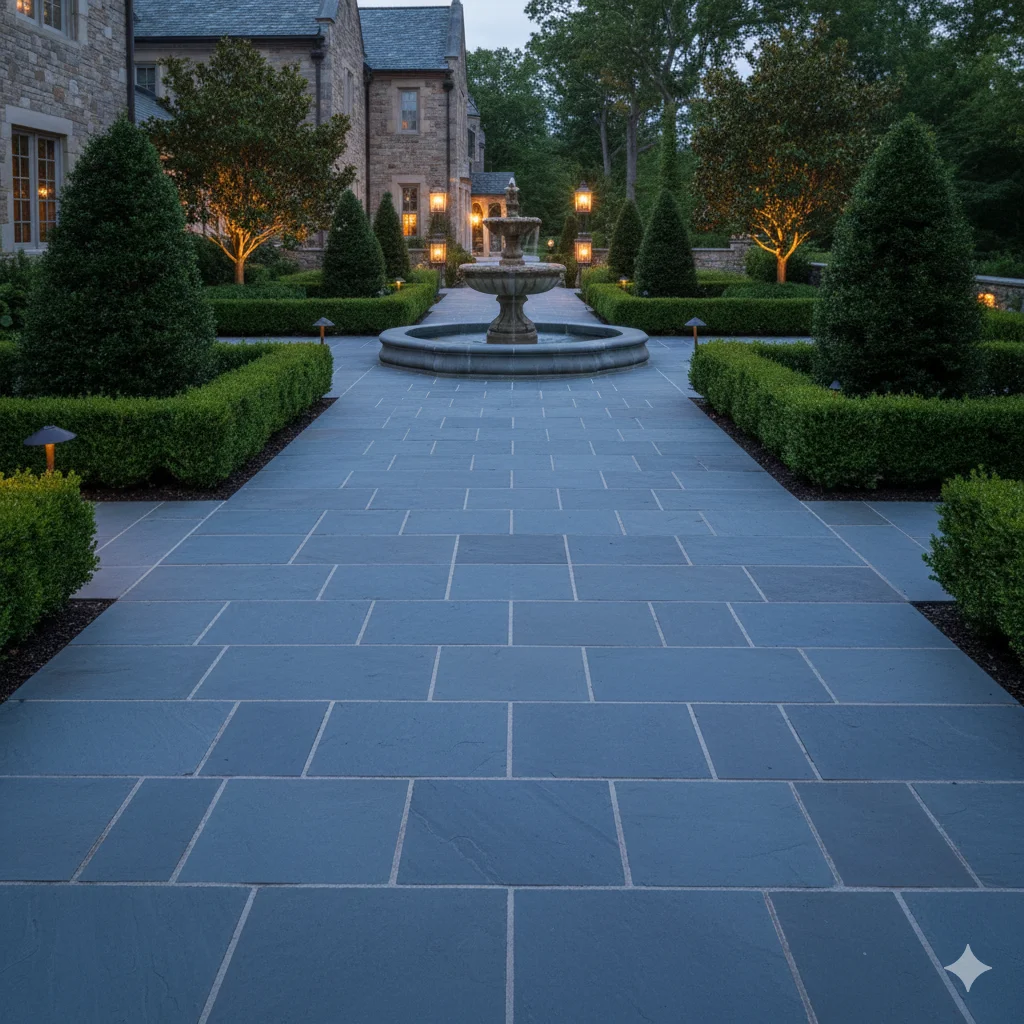
Best Uses
- Square patio slabs
- Formal front walkways
- Courtyard paving
- Garden axes or symmetrical pathways
If your garden style leans classic, colonial, or traditional, bluestone is a perfect match.
10. River Rock & Pebbles: Nature’s Soft Touch
Smooth, rounded stones add softness and flow to a garden.
Best for: drainage, mulch alternatives, decorative accents

How to Use Them
- Around stepping stones
- As a mulch replacement
- In a dry river bed feature
- Beside water features or ponds
They’re also great for small gardens since they require zero upkeep.
11. Fieldstone & Cobblestone: Rustic, Cottage-Garden Charm
Fieldstone and cobblestone offer a weathered, old-world look — great for gardens that want charm and character.
Best for: cottage paths, garden borders, rustic patios

Where They Fit
- Irregular patio surfaces
- Antique-style pathways
- Raised borders
- Garden walls
Their irregularity brings a handcrafted feel to any outdoor space.
12. Pea Gravel & Decomposed Granite: Budget-Friendly & Low-Maintenance
These tiny stones are very user-friendly and cost-effective.
Best for: pathways, gravel gardens, filler material

Ideal Uses
- Walkways and paths
- “Gravel garden” planting beds
- Patio fillers
- Courtyard floors
Because they’re easy to shape, they work extremely well in small gardens.
13. Rosetta Stone: Decorative, Veiny, and Eye-Catching
Rosetta (or “Rosetta marble”) has dramatic patterns and veining, making it perfect for creating one standout focal point.
Best for: accent walls, statement slabs, garden highlights

Where to Use It
- Behind a water feature
- As a feature wall
- As a single decorative slab
- Beside a seating nook
Use it sparingly for maximum impact.
How to Choose the Right Stone for Your Patio and Garden Hardscaping
Here’s a quick guide depending on your style:
Modern Garden Style
- Basalt
- Slate
- Karystian
- Bluestone
Rustic / Cottage Garden
- Sandstone
- Flagstone
- Fieldstone
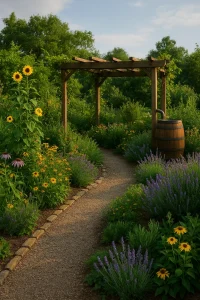
- Pea gravel
Perfect for curved, flower-filled spaces.
Mediterranean Garden
- Travertine
- Limestone
- Sandstone
Warm, inviting, sun-friendly design.
High-Traffic or Family Spaces
- Granite
- Bluestone
- Decomposed granite
Modern Minimalist Patio
- Basalt flooring
- Karystian feature wall
- Pea gravel filler between slabs
Creates a clean, bold, monochromatic look.
1. Durability & Weather Resistance Ratings
Understanding how each stone performs outdoors helps you choose the right material for your climate and usage.
Durability Guide (1–10):
- Granite — 10/10: Extremely strong, heat-proof, ideal for high-traffic patios.
- Basalt — 9/10: Dense and sun-resistant; excellent for exposed areas.
- Slate — 8/10: Durable and slip-resistant when wet.
- Bluestone — 8/10: Tough, reliable for walkways and formal patios.
- Travertine — 7/10: Performs well in heat; surface pits need sealing.
- Flagstone — 7/10: Stable and long-lasting for outdoor paths.
- Limestone — 6/10: Softer stone; better for light-traffic borders.
- Rosetta Stone — 6/10: Durable but decorative; best for accents.
- Sandstone — 5/10: Porous, rustic aging; great for steps and natural effects.
- River Rock / Pebble — 4/10: Not load-bearing but excellent for drainage.
- Pea Gravel / DG — 4/10: Great for pathways but shifts under heavy use.
2. Cost Comparison: Budget vs. Premium Stones
Because pricing varies by region, shipping, and cut type, here’s a simple cost scale:
Budget-Friendly Options:
- Pea gravel / Decomposed granite
- River rock
- Sandstone
- Fieldstone
Mid-Range Options:
- Flagstone
- Limestone
- Travertine
Premium Options:
- Granite
- Slate
- Basalt
- Bluestone
- Rosetta stone
This will help you understand expectations without listing region-specific prices.
3. Maintenance Requirements for Each Stone Type
Some stones are hands-off, while others need sealing or occasional care.
- Granite: Very low maintenance; rinse and brush occasionally.
- Basalt: Holds up effortlessly; wash seasonally.
- Slate: Low maintenance but benefits from a protective seal.
- Karystian Stone: Low maintenance; sealing enhances shine and longevity.
- Travertine: Needs sealing every 1–2 years due to natural pits.
- Flagstone: Easy to maintain; moss growth is optional for rustic looks.
- Limestone: Medium maintenance; seal once a year if exposed to rain.
- Sandstone: Requires sealing to avoid stains and moisture absorption.
- River rock / Pebbles: Practically maintenance-free.
- Pea gravel: Rake back into place when displaced; add fresh stones yearly.
4. Best Stones for Different Climates
Climate plays a huge role in stone performance.
Hot & Sunny Climates
- Travertine (stays cool underfoot)
- Basalt (sun-resistant)
- Granite (heat-proof)
Rainy or Humid Climates
- Slate (naturally slip-resistant)
- Bluestone
- Granite
Cold or Frost-Prone Climates
- Fieldstone
- Flagstone
- Basalt
- Granite
5. Common Hardscaping Mistakes to Avoid
- Choosing polished smooth stones near pools — too slippery.
- Ignoring thickness — thin slabs can crack under weight.
- Mixing too many stone colors in a small garden.
- Forgetting a solid base layer — stones shift or sink.
- Using porous stones (like sandstone) in constant rain without sealing.
- Choosing gravel for dining areas — chairs sink and wobble.
6. Best Stone for… Quick Decision Guide
- Low-maintenance patio: Granite
- Budget walkway: Pea gravel or DG
- Modern design: Basalt or Slate
- Rustic charm: Flagstone, Fieldstone, Sandstone
- Poolside option: Travertine
- Small gardens: Large-format limestone or Karystian slabs
- Rainy areas: Slate and Bluestone
- High-traffic patios: Granite
Final Tips for a Cohesive Hardscaping Design
- Mix textures (smooth slabs with small gravel for contrast)
- Keep a consistent color palette
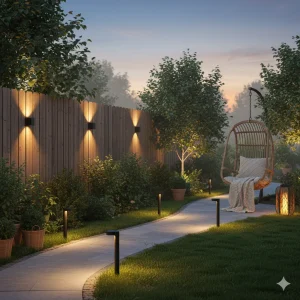
- Add lighting to highlight texture at night
- Use bigger slabs in small spaces (fewer cuts = cleaner look)
- Balance stone with greenery (softens the overall feel)
FAQ: Patio and Garden Hardscaping
Q: What stone lasts the longest outdoors?
Granite and basalt are the most durable and can withstand decades of weather exposure.
Q: Which stones are best for beginners to install?
Pea gravel, decomposed granite, and river rock are easy DIY options.
Q: What stone stays coolest in summer?
Travertine remains cool even in direct sunlight.
Q: Which stones need sealing?
Travertine, limestone, sandstone, and sometimes slate benefit from regular sealing.
Q: Can I mix different stones in a small garden?
Yes — just stick to two main stones and one accent to avoid overwhelming the space.