

The Best Plants for Closed Terrariums (Beginner-Friendly Guide)
Creating a closed terrarium is like crafting a tiny self-sustaining jungle in glass — a miniature ecosystem that thrives on humidity and balance. But the secret to a thriving terrarium lies in choosing the right plants. Closed terrariums are sealed environments, so only certain species can handle the high moisture, low airflow, and moderate light conditions inside.
In this beginner-friendly guide, we’ll cover the best plants for closed terrariums, tips for plant selection, and a few care pointers to help your mini garden flourish.
What Makes a Plant Suitable for Closed Terrariums?
Before diving into the list, it’s essential to understand what kind of plants actually thrive in this environment. Closed terrariums trap moisture and create a humid, tropical-like climate, which means you’ll want species that enjoy:
- High humidity levels
- Low to medium indirect light
- Slow growth habits
- Moist (but not soggy) soil
Avoid succulents or cacti — they prefer dry air and will rot in closed systems.
1. Fittonia (Nerve Plant)
Fittonia is one of the most popular choices for closed terrariums. Its colorful, veined leaves come in shades of pink, white, or red, adding instant vibrancy to your glass garden.

Why it works:
- Thrives in humidity
- Loves low to medium light
- Compact growth
Tip: Fittonias can be a bit dramatic — they’ll wilt when thirsty but bounce back quickly after watering.
2. Pilea depressa (Baby Tears)
This tiny-leaved creeping plant makes an excellent ground cover in terrariums. It fills out spaces beautifully, creating a lush, green carpet effect.

Why it works:
- Enjoys moisture and shade
- Spreads gently without overtaking the terrarium
- Easy to prune and maintain
3. Peperomia species
Peperomias are small, versatile plants with stunning foliage. Varieties like Peperomia caperata or Peperomia obtusifolia do well in humid, closed setups.

Why it works:
- Tolerates humidity
- Compact growth
- Adds texture and shape variety
Tip: Avoid overwatering; even in a humid terrarium, the roots can rot if constantly soggy.
4. Ferns (Miniature Varieties)
Ferns are humidity lovers and look absolutely magical inside glass containers. Go for mini ferns like:
- Button Fern (Pellaea rotundifolia)
- Lemon Button Fern
- Maidenhair Fern (Adiantum)

Why it works:
- Naturally thrives in moist, shaded environments
- Provides a lush, jungle-like feel
Care tip: Keep ferns away from direct sunlight — they prefer soft, filtered light.
5. Mosses
Mosses are the heart of many closed terrariums. They help regulate moisture and add that forest-floor aesthetic. Common types include:
- Sheet Moss (great for covering soil)
- Cushion Moss (adds volume and texture)
- Java Moss (perfect for vertical surfaces)

Why it works:
- Perfectly adapted to high humidity
- Helps stabilize moisture levels
- Low maintenance
6. Selaginella (Spike Moss)
Selaginella isn’t a true moss, but it behaves like one. It grows low and dense, forming vivid green tufts that make your terrarium look wild and lush.
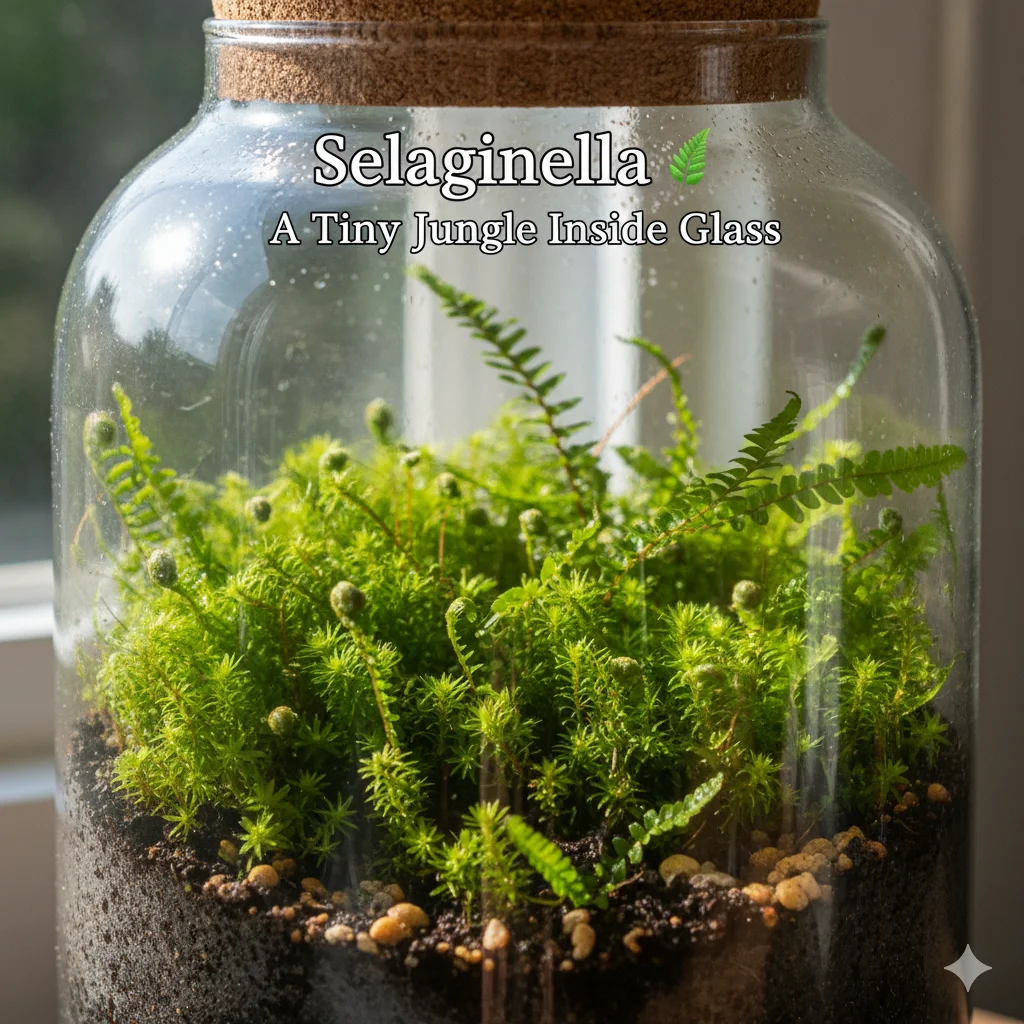
Why it works:
- Loves humidity
- Creates a natural forest-floor look
- Excellent for layering with other plants
Tip: Avoid letting it dry out — it prefers consistently damp soil.
7. Miniature Begonias
Dwarf varieties like Begonia rex hybrids or Begonia prismatocarpa bring a splash of color and patterned leaves. They’re perfect for those who want something more ornamental.

Why it works:
- Thrives in moist air
- Compact, slow-growing habit
- Adds unique leaf colors and textures
8. Ficus pumila (Creeping Fig)
This delicate vine adds movement and height to your terrarium. It can climb rocks, driftwood, or the terrarium wall for a whimsical jungle effect.

Why it works:
- Enjoys humidity and indirect light
- Spreads gracefully without becoming invasive
- Great for vertical interest
Care note: Trim regularly to prevent overgrowth.
9. Miniature Orchids (Advanced Option)
If you’re ready for a challenge, small orchid species like Masdevallia or Lepanthes can thrive in humid glass environments.
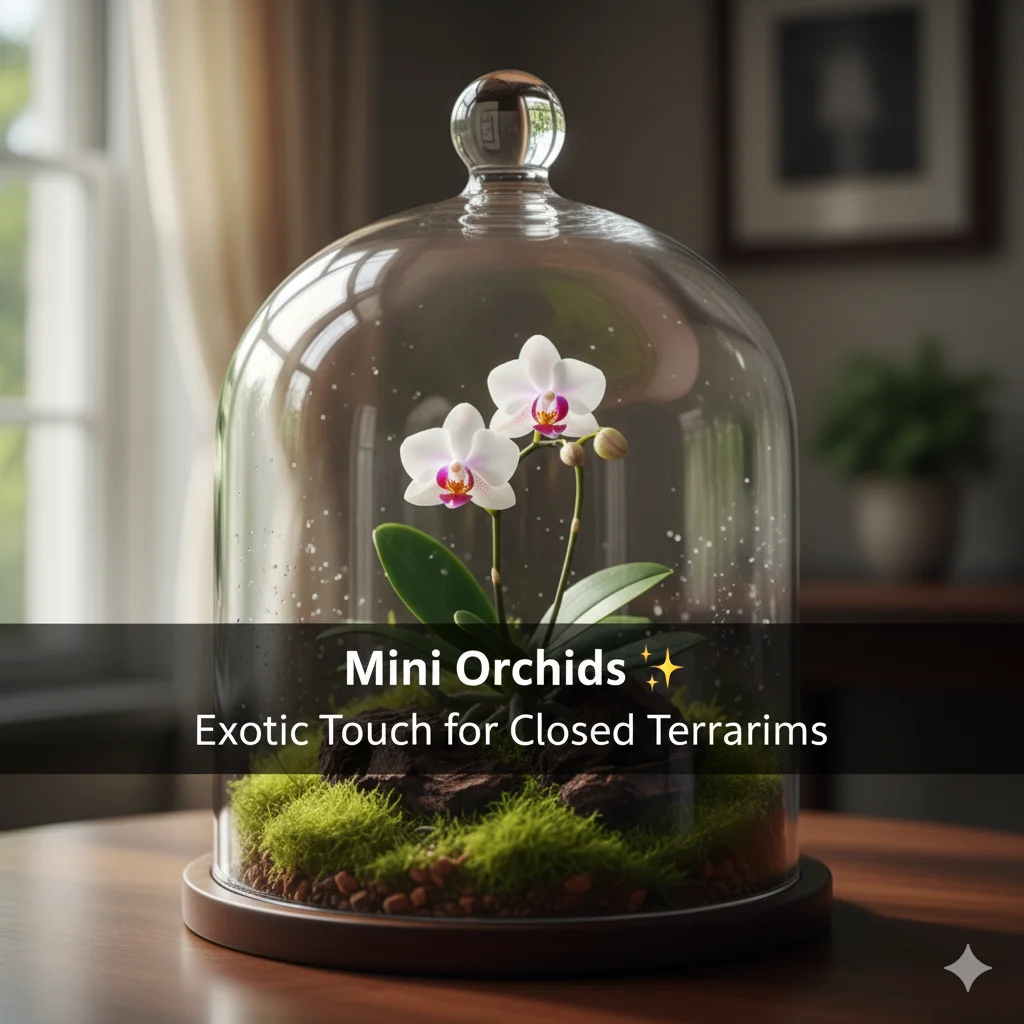
Why it works:
- Loves high humidity and gentle light
- Adds a stunning, exotic look
Tip: Provide gentle airflow and filtered light for the best results.
How to Arrange Plants in a Closed Terrarium
To create a balanced design:
- Start with layers: Add pebbles or charcoal at the bottom for drainage, followed by soil.
- Position tall plants toward the back or center.
- Add moss or creeping plants around the edges.
- Mist lightly before sealing the terrarium.
This layering helps maintain proper moisture flow and visual depth.
Simple Care Tips for Closed Terrariums
- Light: Keep in bright, indirect light — never direct sun.
- Water: A light mist every few weeks is enough. Watch for condensation; too much means it’s overwatered.
- Ventilation: Occasionally open the lid for a few hours to refresh air circulation.
- Trimming: Snip overgrown plants to maintain shape and prevent crowding.
FAQs: Closed Terrarium Plants
Q1: Can I grow succulents in a closed terrarium?
No — succulents and cacti prefer dry environments. They’ll rot in humid, enclosed setups.
Q2: How often should I water a closed terrarium?
Usually once every 2–4 weeks. If you see fog or water droplets on the glass, hold off watering.
Q3: Can I mix moss and plants together?
Yes! Moss complements small plants and helps regulate humidity naturally.
Q4: What’s the best soil for closed terrariums?
A mix of peat moss, coco coir, and perlite works well — it holds moisture without becoming soggy.
Shop (Affiliate Links)
These are my affiliate links. If you make a purchase through these links, I may earn a small commission at no extra cost to you.
- Terrarium Tiny Closed Jar Moss Growing Bottle Glass
- Irregular Close Geometric Glass Terrarium
How to Read Condensation and Humidity
Condensation on the glass is the way a closed terrarium talks to you, and learning its language is one of the most useful skills a beginner can build. A light misting that clears by midday is completely normal; it means the water cycle is working and the plants are breathing. The best habit is to glance at the glass each morning. Over a week or two you will learn what normal looks like for your particular container, which matters more than any single rule.
When the glass stays fogged all day and droplets run down the sides, the terrarium is holding more water than it needs. Opening the lid for a few hours lets excess moisture escape and fresh air in, which most closed-terrarium plants appreciate now and then. On the other hand, a terrarium with no condensation at all and drooping leaves is asking for a little drink. Think of watering as an adjustment, not a schedule: a teaspoon of water at a time, then wait and observe before adding more.
Grouping Plants with Similar Needs
Putting plants with similar needs together is one of the simplest ways to make a mixed terrarium thrive. When every plant in the glass wants the same things — moist soil, gentle light, and high humidity — one care routine keeps them all happy. The trouble starts when a moisture lover shares space with a plant that prefers to dry out, because watering to suit one can slowly stress the other. Grouping by thirst level is the practical move: keep the moisture lovers together and let the drier types live elsewhere.
Light needs matter just as much. Plants that want bright, indirect light pair well together, while shade lovers belong in their own container away from strong windows. Growth speed is the third thing to watch, since a fast grower can crowd out a slow companion within a few months. A quick check of the care label before planting tells you all three — water, light, and pace — and matching them takes less time than fixing a mismatch later. In short, roommates should want the same kind of room.
Seasonal Adjustments Through the Year
A closed terrarium needs gentle seasonal adjustments, because the room around it changes through the year. In winter, shorter days mean less light, so moving the terrarium a little closer to a bright window, without letting direct sun hit the glass, keeps growth steady. Central heating can dry the air around the container, and while a sealed terrarium mostly holds its own moisture, a quick look at the condensation pattern tells you if the balance has shifted.
Summer brings the opposite risk: strong sun through glass can heat a small terrarium quickly, so a spot with bright but indirect light matters even more in the warm months. Growth usually speeds up in spring and summer, which means trimming a little more often to keep plants from crowding each other. Autumn is a natural time to tidy fallen leaves and check the soil level. Small seasonal habits like these keep the little ecosystem stable instead of needing rescue later.
Final Thoughts
Building a closed terrarium is one of the most rewarding DIY plant projects — especially when you pick the right greenery. From vibrant Fittonia to lush ferns and delicate mosses, these plants thrive in the sealed, humid environment and create a self-sustaining world right on your shelf.
With a little care and creativity, your glass garden will stay fresh and beautiful for years to come.
>


One Comment