Indoor Gardening During Winter: A Complete Guide to Thriving Plants in Cold Months
When the days grow shorter and frost begins to cover the ground, many gardening enthusiasts feel the urge to tuck away their tools until spring. But winter doesn’t have to mean the end of lush greenery and blooming life. Indoor gardening during winter is the perfect way to keep your home vibrant, cozy, and filled with nature’s touch—even when the outdoors seem lifeless. With the right techniques, plants, and tools, you can enjoy a thriving indoor garden all season long.
In this guide, we’ll explore the best practices, tips, and ideas to create a flourishing indoor oasis during the cold months.

Table of Contents
Why Indoor Gardening in Winter Matters
Winter often leaves us craving warmth, color, and comfort. Bringing plants indoors provides not only aesthetic appeal but also several health and lifestyle benefits:
- Fresh air quality: Plants naturally purify the air, removing toxins and improving oxygen flow.
- Mood booster: Greenery is known to reduce stress and improve mental well-being, especially during the darker winter months.
- Year-round growth: Indoor gardens allow you to enjoy herbs, vegetables, and decorative plants regardless of the season.
- A cozy atmosphere: Lush foliage and flowering plants instantly transform interiors into inviting sanctuaries.
Best Plants for Indoor Gardening during Winter
Not all plants thrive indoors, especially during winter. Choosing the right varieties ensures less stress and more success. Here are some of the easiest and most rewarding options:
1. Herbs
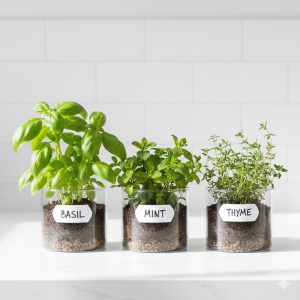
- Basil, thyme, parsley, and mint are perfect for sunny windowsills.
- They not only add greenery but also fresh flavor to winter meals.
2. Leafy Greens
- Spinach, arugula, and lettuce varieties grow well in pots with adequate light.
- They’re quick-growing and perfect for small harvests.
3. Succulents and Cacti
- Low-maintenance and resilient, succulents require minimal watering.
- Perfect for offices or homes with limited time for care.
Check this post also: 10 Beautiful Succulent Plants That Grow Perfectly as Houseplants
4. Flowering Plants
- African violets, orchids, and Christmas cacti bring bursts of color indoors.
- They add charm and seasonal cheer.
5. Air-Purifying Plants
- Snake plants, pothos, and peace lilies thrive in low light.
- Great for bedrooms, living rooms, and workspaces.
Check this post also: 20 Stunning Indoor Plants to Add Color, Beauty, and Life to Your Home
Light: The Key to Winter Indoor Gardening
During winter, natural sunlight is limited, which makes lighting the most important factor in keeping plants alive.
- South-facing windows are ideal, providing the most consistent daylight.
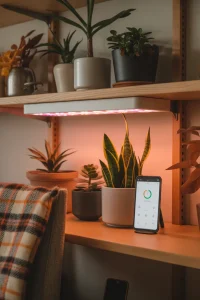
- If your home lacks sufficient natural light, grow lights are an excellent investment. LED grow lights mimic sunlight and can be adjusted to support different stages of plant growth.
- Rotate plants weekly so all sides receive equal exposure.
Managing Indoor Temperature & Humidity
Winter’s dry, heated air indoors can challenge many plants. To keep them healthy:
- Humidity trays: Place pots on trays filled with water and pebbles to add moisture to the air.
- Room humidifiers: Beneficial not just for plants but for your skin and breathing comfort as well.
- Keep away from drafts: Avoid placing plants near heaters, fireplaces, or drafty windows.
- Ideal temperature range: Most indoor plants prefer between 60–75°F (15–24°C).
Watering Plants in Winter
Many plant owners make the mistake of overwatering during winter. Growth slows down in cold months, so plants need less water.
- Always check soil moisture before watering. The top inch of soil should be dry.
- Use room-temperature water to avoid shocking roots.
- Reduce fertilizing to once a month, since most plants aren’t in peak growing season.
Indoor Gardening Setups for Winter
Creating a dedicated indoor garden corner can make the process easier and more enjoyable. Here are a few ideas:
1. Windowsill Gardens
- Ideal for herbs and small succulents.
- Compact, practical, and decorative.

2. Vertical Gardens
- Use wall planters or hanging shelves to save space.
- Works well for ferns, pothos, and trailing plants.

You may also like: How to Create a Cozy Biophilic Corner with Indoor Plants
3. Hydroponic Systems
- A soil-free method that allows for faster growth indoors.
- Perfect for growing herbs and lettuce year-round.
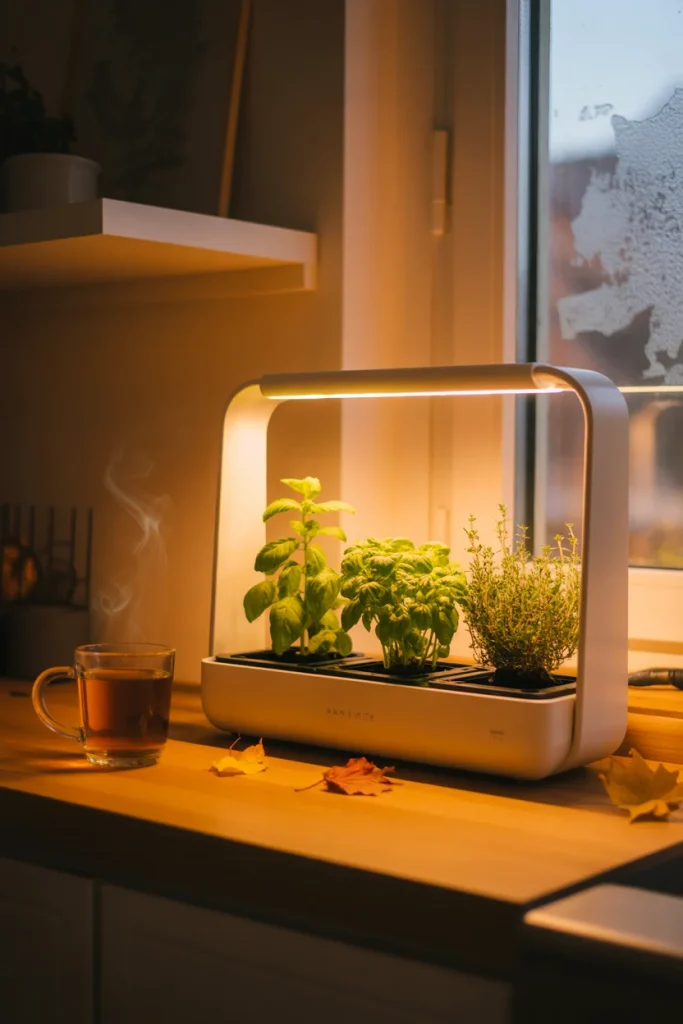
You may also like: Smart Gardening Tech for Fall/Winter
4. Mini Greenhouses
- Portable greenhouses provide insulation and controlled environments.
- Useful for seed starting or protecting delicate plants.

You may also like: Building a Mini Greenhouse for Year-Round Harvests
DIY Tips for Indoor Winter Gardening
- Repurpose jars and containers: Mason jars, teacups, or baskets can serve as stylish plant pots.
- Use reflective surfaces: Mirrors or aluminum foil behind plants can help bounce extra light.
- Compost indoors: Small worm bins are excellent for producing natural fertilizer.
- Create a biophilic nook: Combine greenery with cozy textures like wood, rattan, and soft lighting to enhance winter comfort.
Common Indoor Gardening Mistakes to Avoid
- Overwatering – Plants need less water in winter.
- Ignoring light needs – Even low-light plants benefit from some artificial lighting.
- Using outdoor soil – It may contain pests. Always use quality potting mix.
- Crowding plants – Air circulation is essential to prevent mold or mildew.
Choosing Containers and Soil for Winter Growing
The right container and soil mix matter more in winter than at any other time of year. With slower growth and weaker light, excess moisture lingers around the roots, so good drainage becomes the difference between a thriving plant and a struggling one. A little attention here prevents most cold-season root problems before they start.
- Drainage holes are non-negotiable: every pot should have at least one drainage hole, with a saucer underneath to protect furniture. Empty the saucer after watering so roots never sit in standing water.
- Match the pot material to the plant: porous terracotta dries out faster and suits succulents and cacti, while plastic or glazed pots hold moisture longer for thirstier plants like ferns.
- Do not oversize the pot: choose a container only slightly larger than the root ball. Too much empty soil stays wet and invites rot, especially when growth has slowed.
- Start with fresh, quality potting mix: a light, peat- or coir-based mix with added perlite keeps the structure open and airy. Avoid reusing old mix as-is, since compacted soil drains poorly.
Dealing with Pests and Dusty Leaves in Winter
Winter does not mean a break from plant pests. Warm, dry indoor air creates perfect conditions for spider mites, aphids and mealybugs, which can spread quickly from one plant to the next. Catching problems early is far easier than dealing with a full infestation, so a quick check every week or two pays off.
- Inspect plants regularly: check the undersides of leaves and along stems. Sticky residue, fine webbing or tiny clusters of insects are all early warning signs.
- Wipe dusty leaves with a damp cloth: dust blocks light and clogs the tiny pores leaves breathe through. A gentle wipe every few weeks keeps foliage clean and photosynthesizing efficiently.
- Isolate affected plants right away: move any plant showing pests away from the rest of your collection. This simple step stops most infestations from spreading while you deal with the problem.
- Treat gently and consistently: insecticidal soap or neem oil applied according to the label can control most common houseplant pests. Repeat as directed, since one application rarely catches every life stage.
Transitioning Plants as Spring Approaches
When days lengthen and light improves, houseplants wake from their winter slowdown. Easing them back into active growth with a few gradual changes sets them up for a strong spring, while sudden shifts can stress them.
- Increase watering gradually: as new growth appears, water a little more often, letting the top of the soil dry between waterings just as before.
- Resume feeding lightly: once plants show fresh growth, start fertilizing at half strength and build up to the regular schedule over a few weeks.
- Repot only when needed: spring is the natural time to repot, but only for plants that are truly root-bound. Move up just one pot size.
- Reintroduce brighter light slowly: plants that spent winter in low light can scorch in sudden strong sun. Shift them toward brighter spots over a week or two.
Final Thoughts on Indoor Gardening During Winter
Indoor gardening during winter is more than a hobby—it’s a lifestyle that keeps your home alive with freshness, beauty, and growth. Whether you’re tending to a windowsill herb garden, cultivating vibrant succulents, or setting up a full hydroponic system, your indoor oasis will reward you with color, vitality, and calm during the cold months.
So, don’t let winter’s chill keep you from enjoying nature. With the right strategies, your indoor garden can flourish all year round.
Related
- Wildlife-Friendly Garden in Fall and Winter: A Seasonal Guide
- Guide to Sustainable Gardening and Landscaping: Creating Harmony with Nature
- The Ultimate Guide to Terrariums
- Inside a Solarpunk Home: Blending Nature, Technology & Artful Sustainability