Luxury Materials That Instantly Elevate an Asian-Inspired Home
Introduction
One of the biggest differences between an ordinary Asian-inspired home and a truly luxurious one is the choice of materials. While furniture and décor certainly influence the overall style, it’s the textures, finishes, and craftsmanship that give a home its rich, timeless character.
Luxury Asian interiors don’t rely on flashy decorations or excessive ornamentation. Instead, they celebrate the natural beauty of wood, stone, linen, silk, and handcrafted ceramics. These materials develop character over time, making your home feel warmer and more sophisticated with age.
Rather than filling a room with inexpensive décor, professional designers focus on selecting fewer, high-quality materials that work together harmoniously. The result is an interior that feels elegant, comfortable, and built to last.
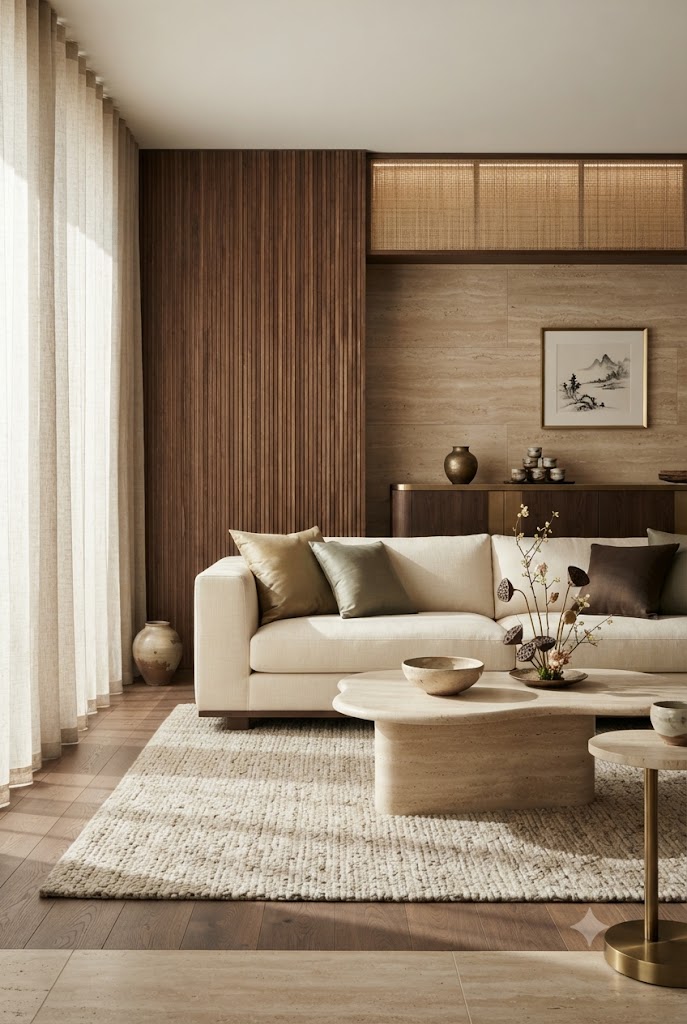
Table of Contents
Why Natural Materials Define Luxury
Natural materials have imperfections that make every piece unique. The grain in walnut wood, the veining in marble, or the texture of handwoven linen cannot be perfectly replicated by synthetic alternatives.
These subtle variations create authenticity, which is one of the defining characteristics of Asian luxury home décor.
Natural materials also:
- Add warmth to modern spaces.
- Improve the overall texture of a room.
- Age beautifully over time.
- Pair effortlessly with neutral color palettes.
- Create a calming connection to nature.
Instead of trying to make every surface look perfect, Asian luxury design embraces the beauty found in organic textures and handcrafted details.
1. Wood: The Foundation of Asian Luxury Interiors
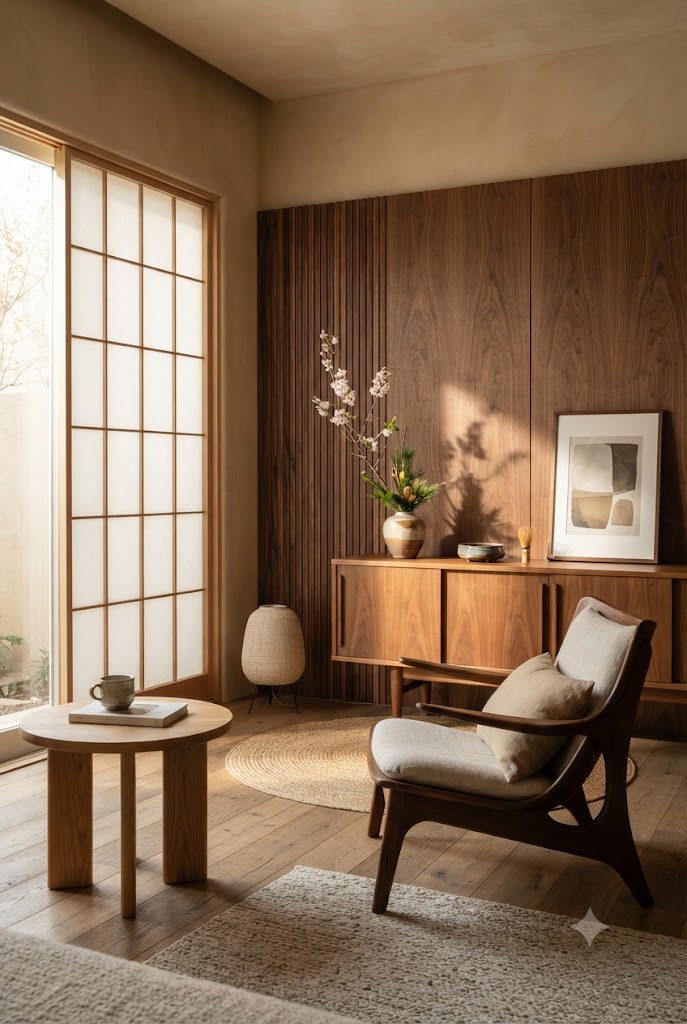
Wood is arguably the most important material in Asian-inspired homes. It introduces warmth, structure, and timeless elegance while serving as the backbone of the overall design.
Rather than painted finishes, luxury interiors often highlight the wood’s natural grain, allowing its texture and color to become part of the décor.
Walnut
Walnut is a favorite among interior designers because of its deep chocolate-brown tones and elegant grain patterns.
Best used for:
- Dining tables
- Coffee tables
- Console tables
- Built-in shelving
- Headboards
- Wall panels
Walnut pairs beautifully with cream walls, black accents, marble, and brass details, making it one of the easiest woods to incorporate into contemporary Asian interiors.
Teak
Known for its exceptional durability and warm golden-brown color, teak has been used in Asian homes for centuries.
Its natural resistance to moisture also makes it suitable for bathrooms, kitchens, and outdoor living spaces.
Use teak for:
- Dining chairs
- Outdoor furniture
- Bathroom vanities
- Benches
- Accent tables
Over time, teak develops a richer patina that enhances its luxurious appearance.
White Oak and Ash
For homeowners who prefer a lighter, Scandinavian-inspired interpretation of Asian luxury, white oak and ash offer a softer alternative.
Their subtle grain patterns brighten interiors while maintaining a natural, organic feel.
Perfect for:
- Platform beds
- Kitchen cabinetry
- Floating shelves
- Flooring
- Storage units
These lighter woods work especially well in Japandi-inspired spaces, where simplicity and functionality take center stage.
2. Natural Stone: Timeless Elegance
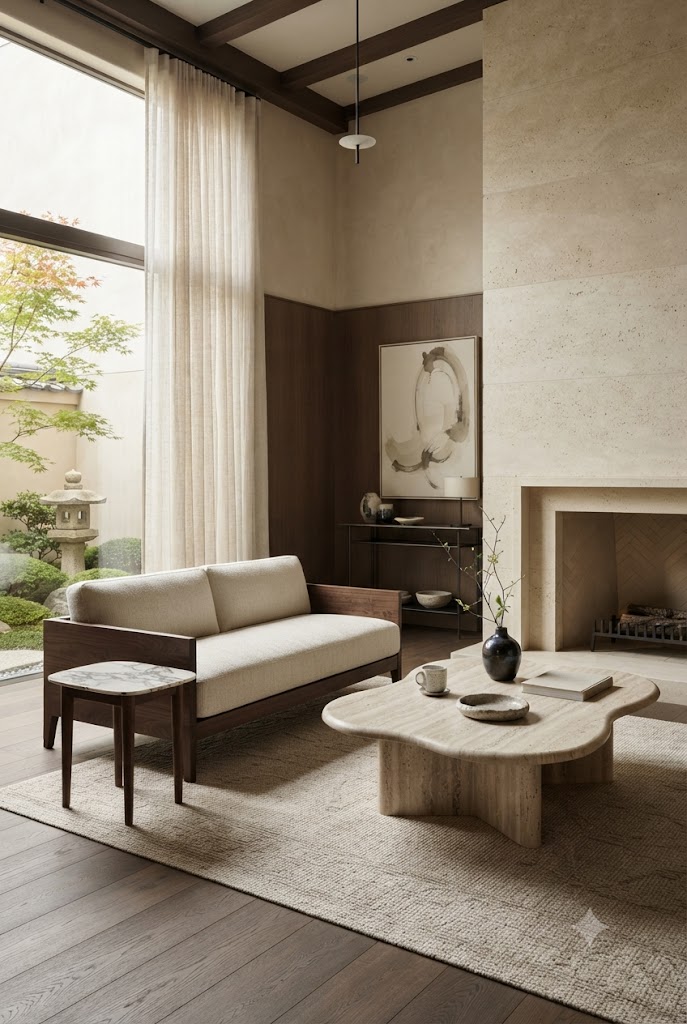
Stone adds a sense of permanence and sophistication to any interior. Whether polished or textured, it creates visual depth while complementing warm wood finishes.
Instead of covering every surface with stone, designers use it strategically to create focal points.
Marble
Marble introduces understated luxury without overwhelming the room.
Popular applications include:
- Kitchen countertops
- Coffee tabletops
- Bathroom vanities
- Dining tables
- Decorative trays
White marble with soft gray veining pairs beautifully with walnut, black fixtures, and warm metallic accents.
Designer Tip
Use marble sparingly. A single marble coffee table or countertop often has a greater impact than covering an entire room with the material.
Travertine
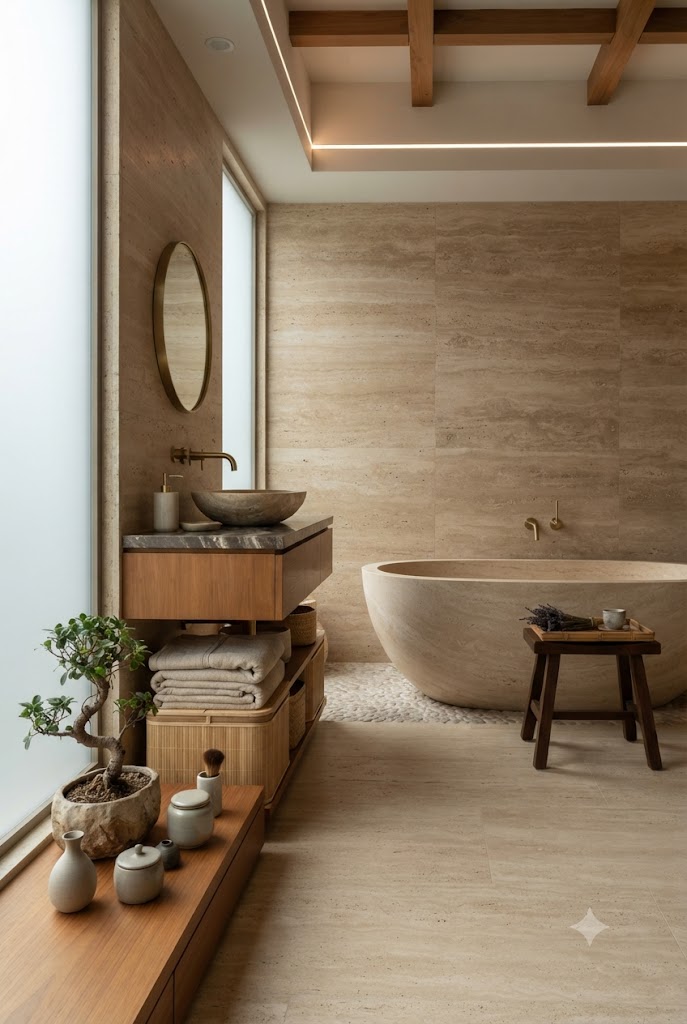
Travertine has become one of the most sought-after materials in modern luxury interiors due to its warm beige tones and naturally textured surface.
It works beautifully in:
- Side tables
- Console tables
- Bathroom walls
- Decorative objects
- Flooring
Its earthy appearance complements both minimalist and richly layered interiors.
Limestone and Slate
For homeowners seeking a spa-inspired atmosphere, limestone and slate provide a softer, more organic aesthetic.
These stones are commonly used in:
- Bathrooms
- Entryways
- Garden-inspired spaces
- Feature walls
- Fireplace surrounds
Their muted colors allow other natural materials to shine while creating a calm and grounded environment.
3. Linen & Silk
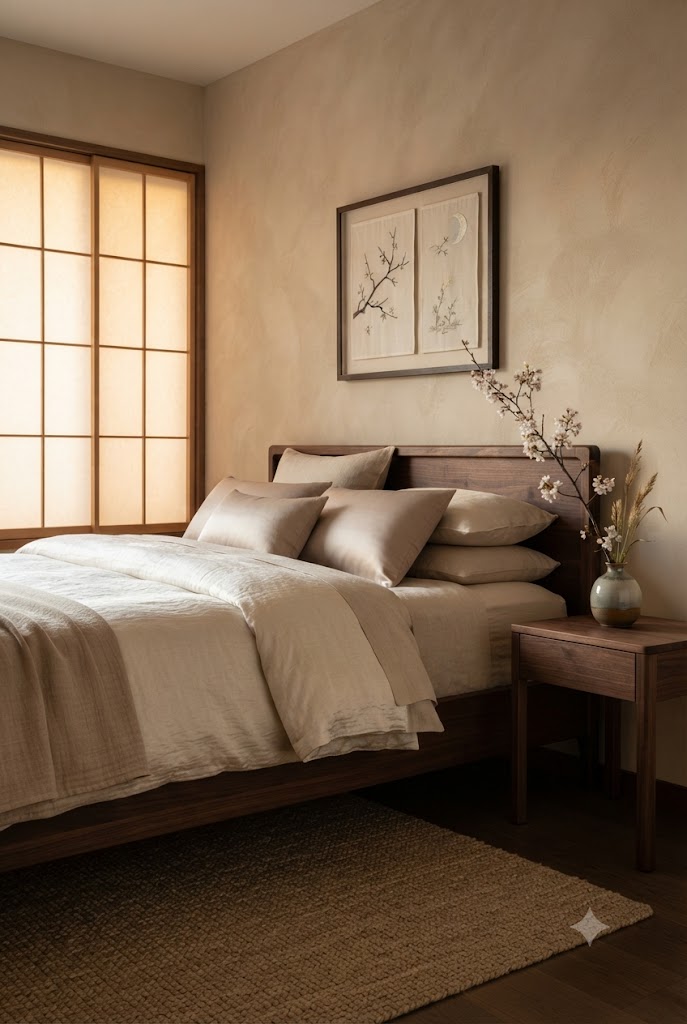
Linen is one of the most versatile textiles in luxury Asian homes. Its relaxed texture softens the clean lines of modern furniture while adding a sense of comfort and authenticity.
Unlike synthetic fabrics, linen becomes softer with use, making it an investment that improves over time.
Use linen for:
- Curtains
- Cushion covers
- Bedding
- Upholstered chairs
- Table runners
Neutral linen in shades of ivory, oatmeal, or warm beige blends seamlessly with wood and stone, creating a timeless and inviting atmosphere.
Silk: Understated Elegance
Silk has long been associated with Asian craftsmanship and luxury. Today, it is often used sparingly to introduce subtle refinement rather than opulence.
In contemporary interiors, silk works best as an accent rather than the dominant fabric.
Incorporate silk through:
- Decorative cushions
- Lampshades
- Wall panels
- Upholstered benches
- Bed runners
When paired with linen and wood, silk adds depth and a gentle sheen without feeling overly formal.
4. Bamboo: A Timeless Sustainable Choice
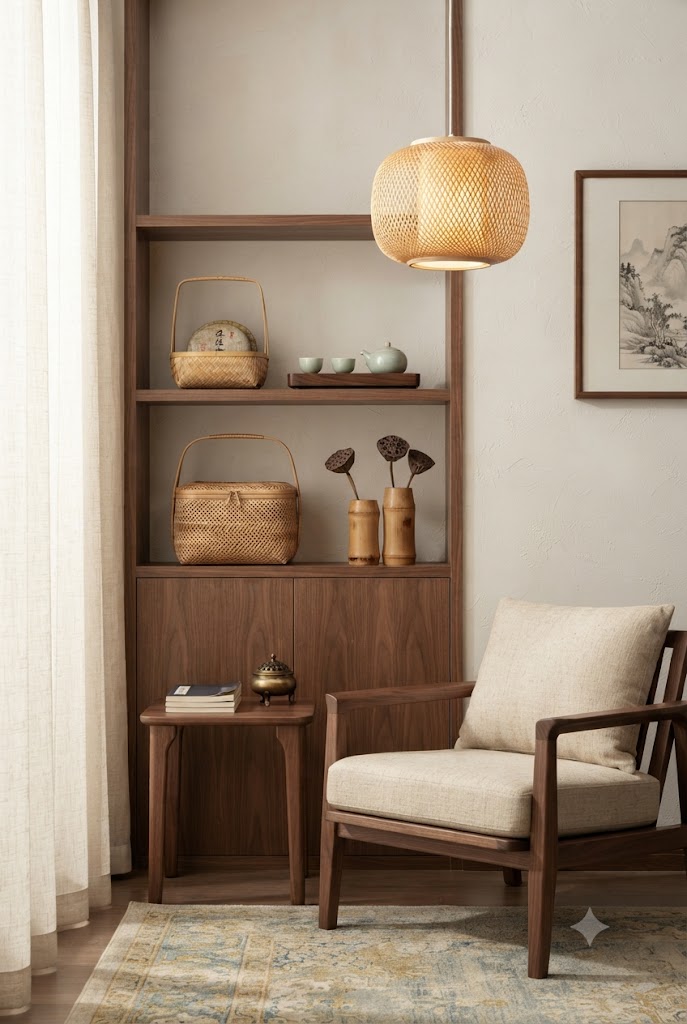
Bamboo has been an integral part of Asian architecture and design for generations. Its lightweight strength, sustainability, and natural beauty make it a practical choice for modern homes.
Rather than using bamboo excessively, luxury interiors incorporate it thoughtfully.
Popular applications include:
- Decorative trays
- Pendant lights
- Window shades
- Plant stands
- Storage baskets
- Accent furniture
A few well-placed bamboo elements introduce warmth and texture while maintaining a refined aesthetic.
5. Rattan and Cane: Adding Organic Texture
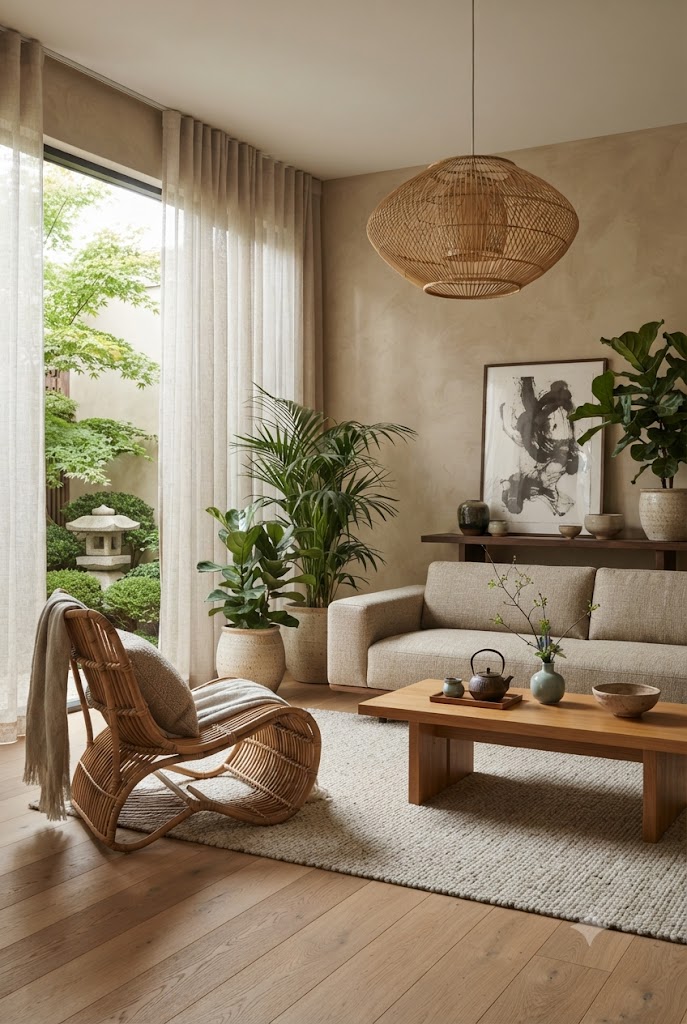
Luxury interiors often combine smooth materials like marble and glass with woven textures to create visual balance.
Rattan and cane bring a handcrafted quality that softens contemporary spaces.
Consider using them in:
- Dining chairs
- Cabinet doors
- Pendant lighting
- Decorative baskets
- Accent stools
These materials are particularly effective in living rooms and bedrooms where warmth and comfort are essential.
6. Handcrafted Ceramics: Functional Art
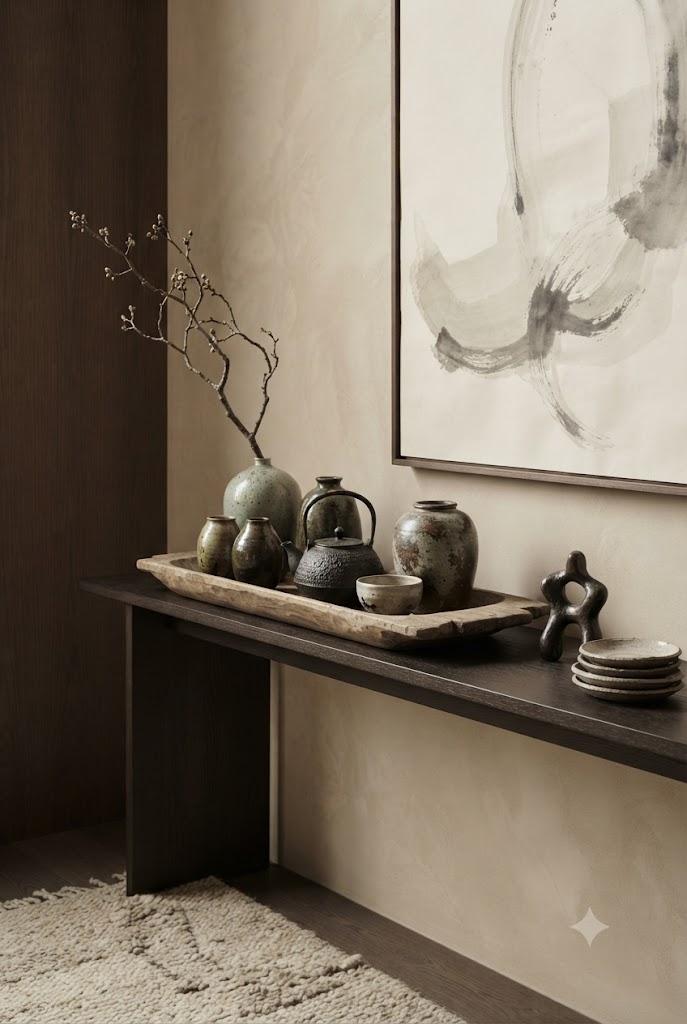
Ceramics are more than decorative accessories—they’re an expression of craftsmanship.
Instead of displaying many small ornaments, choose a few handcrafted ceramic pieces with unique shapes, glazes, or textures.
Ideas include:
- Oversized floor vases
- Tabletop bowls
- Tea sets
- Planters
- Sculptural objects
Their subtle imperfections add personality and authenticity, making each piece feel special.
7. Glass: Keeping Spaces Light and Airy
Although natural materials dominate Asian luxury interiors, glass plays an important supporting role by enhancing light and openness.
Use glass for:
- Sliding doors
- Display cabinets
- Coffee tables
- Pendant lights
- Shelving
Clear glass prevents rooms from feeling heavy while allowing beautiful wood and stone elements to remain the focal point.
8. Brushed Metals: The Finishing Touch
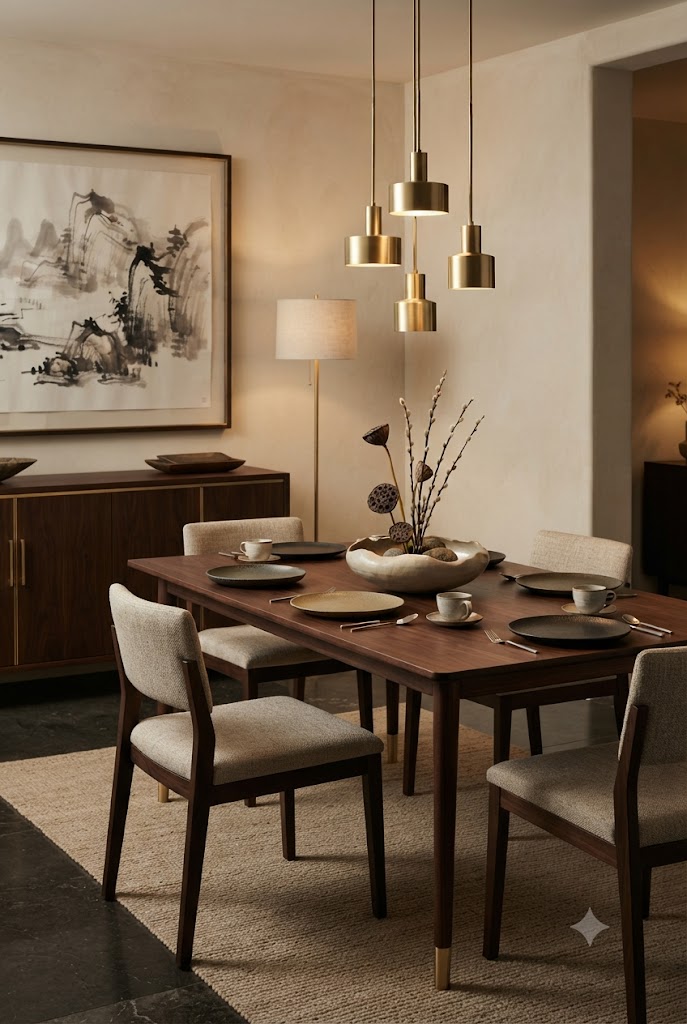
Metal accents should enhance a room—not dominate it.
Luxury Asian interiors often feature:
- Brushed brass
- Antique bronze
- Matte black steel
- Satin nickel
These finishes work beautifully on:
- Cabinet hardware
- Faucets
- Door handles
- Lighting fixtures
- Furniture legs
Because they are used sparingly, metallic accents create subtle sophistication rather than visual clutter.
Layering Materials Like a Professional Designer
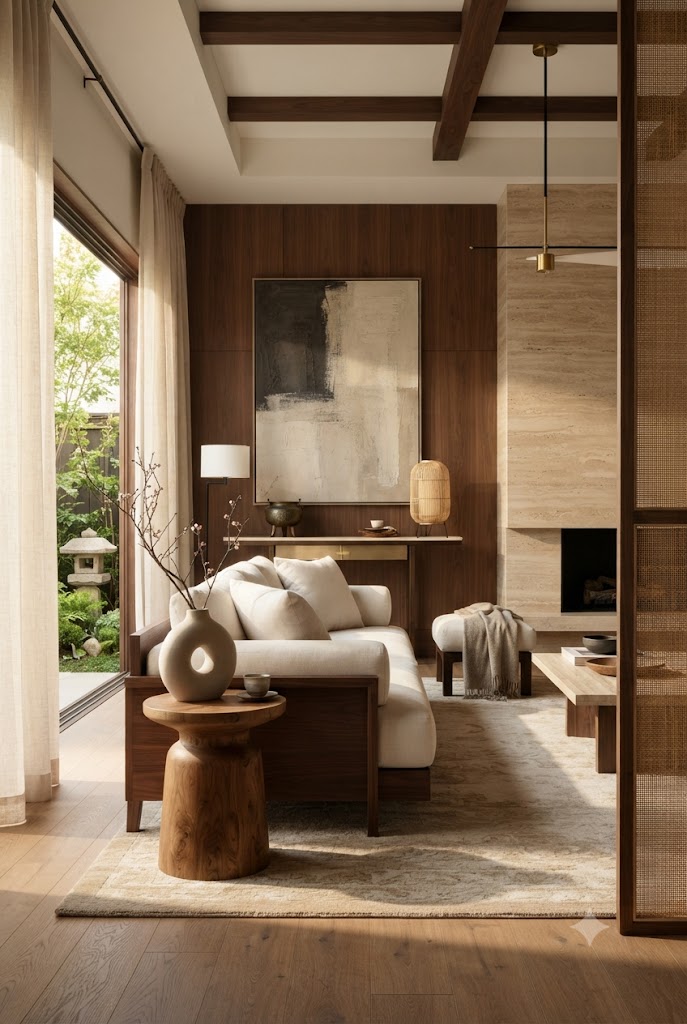
The most elegant interiors don’t rely on a single material—they combine contrasting textures to create depth and balance.
For example, a luxury living room might feature:
- A walnut coffee table
- A cream linen sofa
- A travertine side table
- Handcrafted ceramic vases
- A woven jute rug
- Matte black lighting fixtures
- A brushed brass floor lamp
Each material complements the others, creating a space that feels rich, cohesive, and thoughtfully designed.
Designer Tip
Aim for a balance of smooth, rough, soft, and hard surfaces. Pair polished stone with woven fibers, soft linen with solid wood, or sleek metal with handcrafted ceramics. These contrasts add depth without introducing unnecessary color or clutter.
Mistakes to Avoid When Choosing Materials
Even premium materials can lose their impact if used incorrectly. Keep these common mistakes in mind:
- Choosing imitation over authenticity: Faux wood or plastic finishes rarely achieve the warmth of natural materials.
- Using too many finishes: Limit yourself to two or three wood tones and one or two metal finishes to maintain cohesion.
- Ignoring texture: A room filled with only smooth surfaces can feel cold and lifeless.
- Overusing one material: Balance wood with stone, fabric, ceramics, and metal to create visual interest.
- Prioritizing trends over longevity: Select materials that will remain beautiful and functional for years, not just the current season.
Creating a Home That Ages Beautifully
One of the defining qualities of Asian luxury home décor is its ability to improve with time. A walnut dining table develops a richer patina, linen becomes softer with every wash, and handcrafted ceramics gain sentimental value as part of your daily life.
When you invest in natural, high-quality materials, you’re not just decorating a home—you’re creating a timeless environment that reflects craftsmanship, comfort, and lasting elegance.
Conclusion: Creating Timeless Luxury Through Asian-Inspired Materials
Luxury in an Asian-inspired home is not about filling every corner with expensive décor; it is about choosing materials that tell a story. Natural wood, elegant stone, soft silk, handcrafted ceramics, bamboo, and carefully selected metals create a sense of warmth, balance, and timeless sophistication.
The beauty of Asian luxury interiors comes from the harmony between nature, craftsmanship, and simplicity. By combining high-quality materials with thoughtful placement and a calm color palette, you can create a home that feels refined yet welcoming.
Whether you introduce one statement material or layer several textures throughout your space, these elements bring depth, character, and an effortless sense of luxury that never feels outdated. A truly elegant Asian-inspired home celebrates quality, authenticity, and the quiet beauty of carefully chosen details.
FAQ: Luxury Materials That Instantly Elevate an Asian-Inspired Home
What is the most important material in an Asian-inspired home?
Wood is arguably the most important material — it introduces warmth, structure, and natural character. Walnut brings deep chocolate-brown tones, teak offers durability and warm golden-brown color, and white oak or ash suit lighter, Japandi-inspired spaces. Luxury interiors highlight the wood’s natural grain rather than painted finishes.
How should I use natural stone in a luxury Asian interior?
Use stone strategically as focal points rather than covering every surface — a single marble coffee table or countertop often has more impact than stone everywhere. Marble suits countertops and tabletops, travertine works beautifully for side tables and bathroom walls, and limestone or slate create a softer, spa-inspired atmosphere.
How many materials can I mix in one room?
Limit yourself to two or three wood tones and one or two metal finishes to maintain cohesion. Aim for a balance of smooth, rough, soft, and hard surfaces — for example, pairing polished stone with woven fibers or linen with ceramic. A room filled with only smooth surfaces can feel cold and lifeless.
What mistakes should I avoid when choosing materials?
Avoid choosing imitation over authenticity (faux wood or plastic finishes rarely achieve the warmth of natural materials), using too many finishes, ignoring texture, overusing one material without balancing it with stone, fabric, ceramics, or metal, and prioritizing trends over longevity. Also choose a few handcrafted pieces with unique shapes rather than displaying many small ornaments.
How do I use silk and bamboo without overdoing them?
In contemporary interiors, silk works best as an accent rather than the dominant fabric — try decorative cushions, lampshades, wall panels, or bed runners. Similarly, incorporate bamboo thoughtfully rather than excessively: a few well-placed elements like pendant lights, window shades, or storage baskets introduce warmth while maintaining a refined aesthetic.