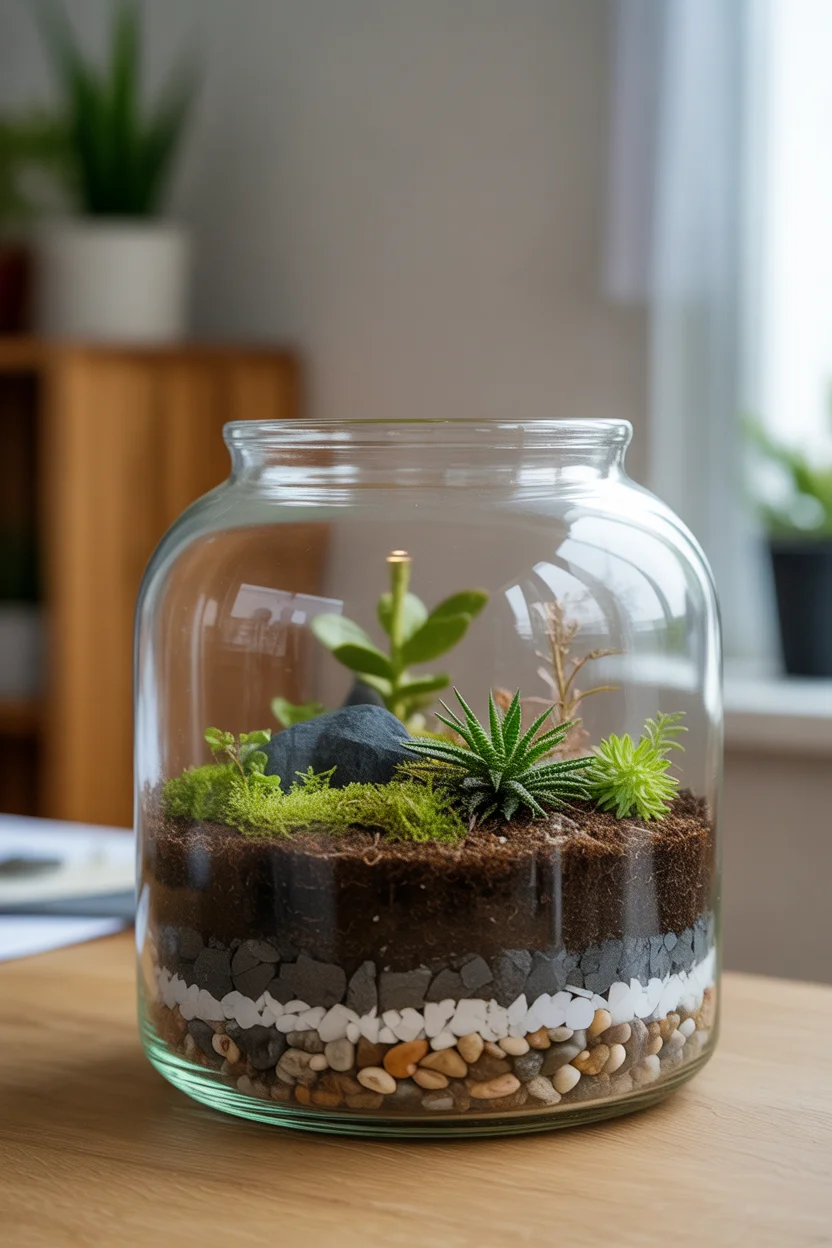
Step-by-Step: How to Make a DIY Terrarium at Home
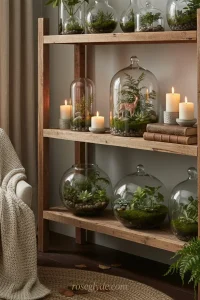
If you’ve ever dreamed of bringing a little green oasis indoors, a DIY terrarium is one of the easiest and most beautiful ways to do it. Compact, stylish, and low-maintenance, terrariums make a perfect décor accent for coffee tables, bookshelves, or window sills. Whether you’re a seasoned plant lover or a total beginner, this step-by-step guide will show you exactly how to make a terrarium at home — from choosing the right glass container to keeping your miniature garden thriving.
What Is a Terrarium?
A terrarium is a small, enclosed or semi-enclosed glass container that houses live plants — essentially a mini garden inside a jar or bowl. Terrariums create their own microclimate, allowing moisture to recycle within the container. Depending on the type of plants you choose, you can create:
- Closed terrariums (best for humidity-loving plants like ferns and moss)
- Open terrariums (ideal for succulents, cacti, and air plants)
Terrariums not only add life to your décor but also serve as calming, creative displays that connect you to nature in a small, manageable way.
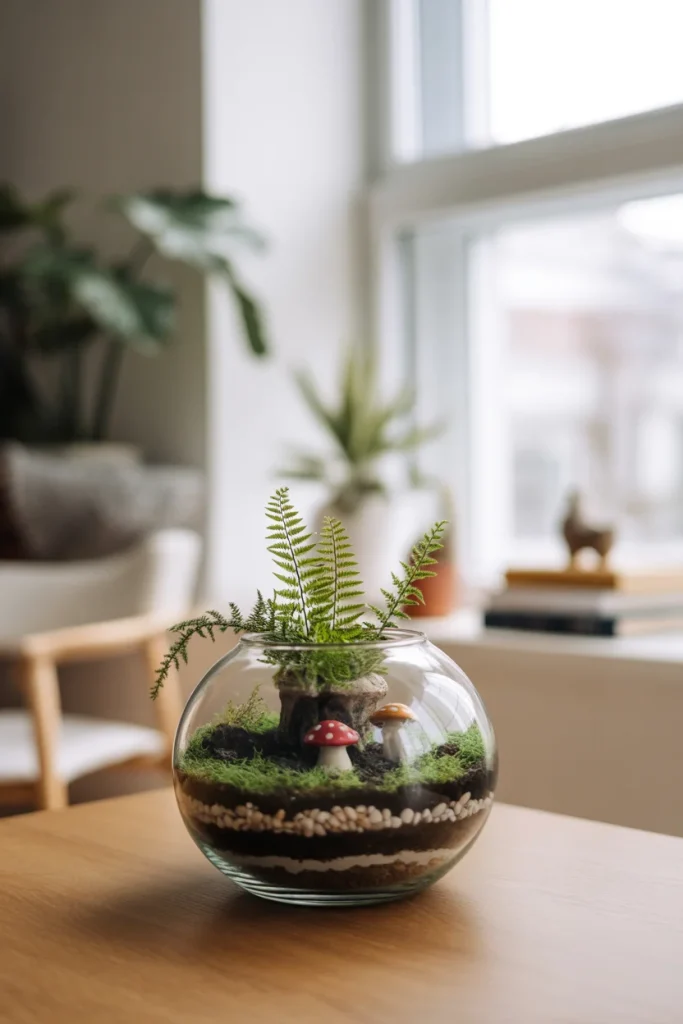
What You’ll Need for a DIY Terrarium
Before we get into the step-by-step process, gather these basic terrarium supplies:
Materials:
- A glass container (jar, vase, bowl, or even an old lantern)
- Small pebbles or gravel for drainage
- Activated charcoal (prevents mold and odor)
- Potting soil (specific to your chosen plants)
- Plants (succulents, ferns, mosses, or air plants)
- Decorative elements like shells, stones, or tiny figurines
- Small tools — tweezers, a spoon, or a stick for arranging plants
You can find most of these supplies at garden stores or order them from home décor and plant retailers online.
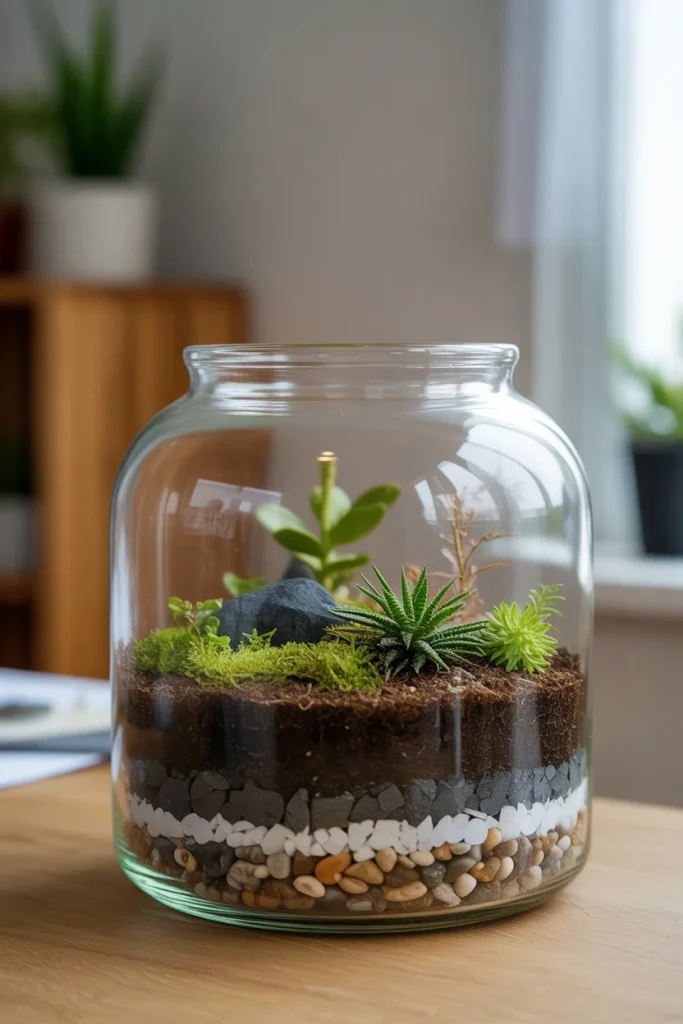
Step 1: Choose the Right Glass Container
Your terrarium starts with the container — it sets the tone and style for your design.
- For an open terrarium: Use wide-mouthed bowls, glass trays, or hanging globes. These work best for succulent and cactus terrariums since they allow airflow and prevent excess humidity.
- For a closed terrarium: Choose containers with lids, like apothecary jars or large glass bottles. These are great for moss and fern terrariums, creating a self-sustaining humid environment.
Tip: Clear glass looks modern and elegant, while tinted or vintage jars add a rustic, cozy vibe.
Step 2: Add a Drainage Layer
Unlike outdoor gardens, terrariums don’t have drainage holes, so you’ll need to create one manually with layers.
- Add about 1–2 inches of small pebbles or gravel at the bottom of your container.
- Sprinkle a thin layer of activated charcoal on top — this keeps the environment fresh and prevents bacterial growth.
This layer ensures excess water doesn’t sit around the roots, protecting your plants from rot.
Step 3: Add the Potting Soil
Next, add soil suited for your plant type:
- Use succulent or cactus mix for open terrariums.
- Choose moisture-retaining soil for ferns or tropical plants.
Add enough soil so the plants can spread their roots comfortably (around 2–3 inches). Slightly slope the soil upward toward the back to give your terrarium a natural landscape look.
Step 4: Choose and Plant Your Greenery
Here comes the fun part — arranging your plants!
Use tweezers or small tools to gently place them into the soil.
Plant pairing tips:
- For open terrariums, go for succulents, echeveria, or haworthia.
- For closed terrariums, choose moss, fittonia, baby ferns, or peperomia.
- Avoid mixing plants with drastically different humidity and light needs.
Once planted, lightly pat the soil around each plant and brush off any soil from leaves for a clean finish.
Step 5: Add Decorative Touches
Now it’s time to personalize your little garden. Add:
- Mini pebbles or colored sand for texture
- Tiny figurines or fairy garden accessories for a whimsical feel
- Shells or crystals for a boho or natural theme
These small touches make your terrarium look curated and artistic — perfect for displaying on a windowsill, coffee table, or as a thoughtful handmade gift.
Step 6: Water and Maintain
- Water sparingly. Terrariums require minimal watering — usually once every 2–4 weeks depending on plant type and environment.
- For closed terrariums, mist lightly only when the soil appears dry.
- For open terrariums, water directly at the base of plants but avoid soaking the soil.
Place your terrarium in bright, indirect light, away from direct sun that might scorch the plants.
Step 7: Keep It Fresh and Clean
Terrariums are low-maintenance, but not no-maintenance!
- Wipe the glass occasionally to remove fog or dirt.
- Trim overgrown leaves to prevent crowding.
- Watch out for mold or pests, and remove any decaying material immediately.
With just a little care, your terrarium will stay lush and beautiful for months — even years.
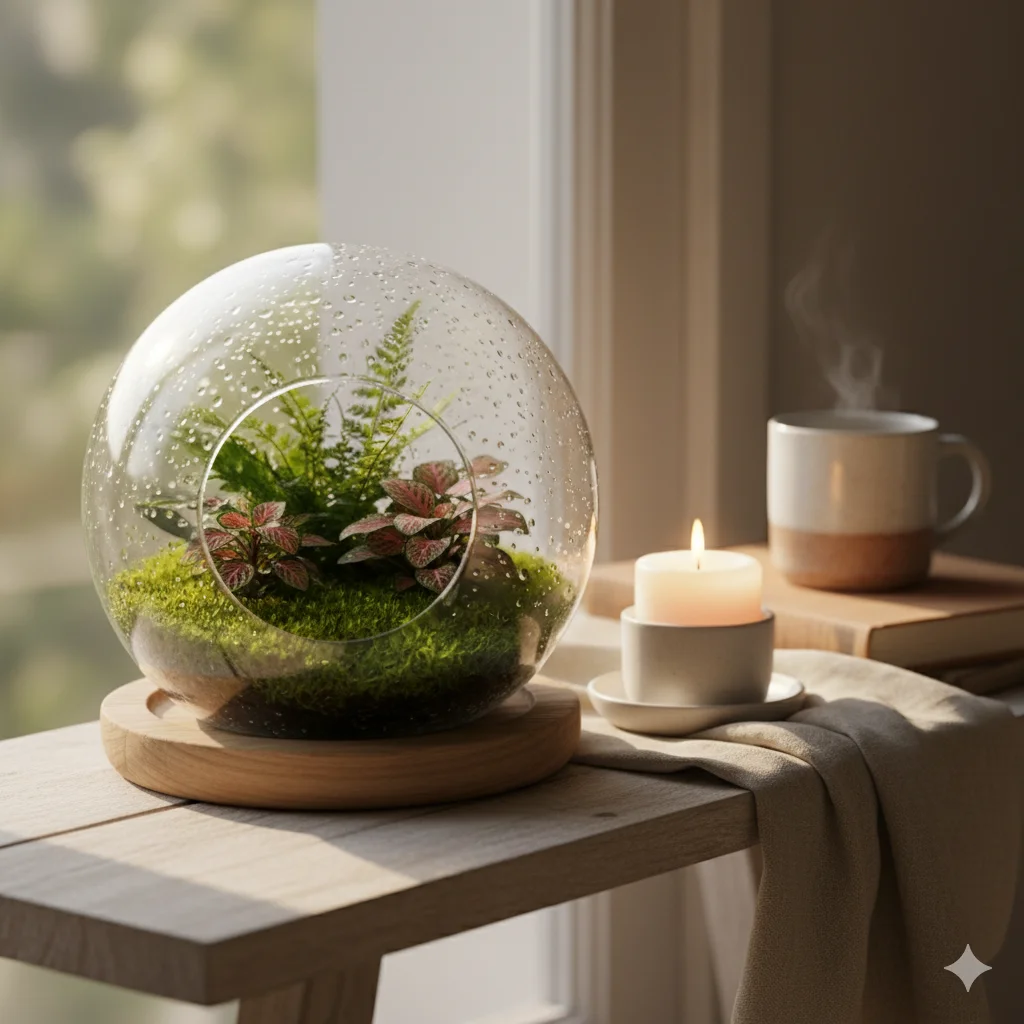
What I Learned From Making My First Terrarium
When I built my first terrarium, I assumed it would be as simple as layering soil and placing a few cute plants inside a glass jar. But the real learning started after I sealed the lid. Within a few days, I noticed moisture collecting heavily on the sides, the moss looked too dark, and one of my small ferns started leaning — a sign it wasn’t getting the right airflow. That tiny ecosystem taught me an unexpected lesson: terrariums behave like their own little worlds, and small changes make a big difference.
One thing I loved most was watching how quickly the environment stabilized once I adjusted light and humidity. It reminded me that terrariums aren’t just decorative; they’re living systems that respond to care. Seeing the plants settle, the condensation regulate, and the moss turn bright again gave me the confidence to experiment with different setups. That first project showed me that patience and observation matter as much as the materials you choose.
Common Beginner Mistakes
- Overwatering the Terrarium
- Using the Wrong Plants Together
- Skipping Drainage Layers
- Placing the Terrarium in Direct Sunlight
To Avoid these mistakes and tips for plant selection read full guide here:
Terrarium care and Maintenance
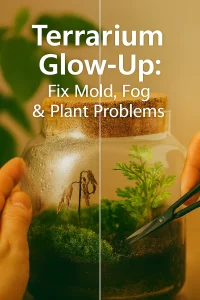
Troubleshooting Terrariums: Mold & Foggy Glass
The Best Plants for Closed Terrariums
My Top Tips for Choosing the Right Plants
After experimenting with different setups, here are the plant-picking tips that worked best for me and will help beginners avoid frustration:
1. Match Plants to the Terrarium Type
This is the golden rule.
Closed terrariums:
- Fittonia
- Ferns
- Baby’s tears
- Mosses
These love humidity and do beautifully in sealed environments.
Open terrariums:
- Succulents
- Cacti
- Haworthia
- Air plants (Tillandsia)
These prefer airflow and drier soil.
2. Choose Slow-Growing or Compact Plants
Fast-growers outgrow the space quickly and need constant trimming.
Compact plants stay neat and maintain the terrarium’s aesthetic longer.
3. Look for Varieties With Similar Needs
Pair humidity-loving plants together.
Pair desert plants together.
Never mix the two.
Matching needs = long-lasting terrarium.
4. Start With Easy Plants if You’re a Beginner
If you’re new, begin with:
- Moss
- Fittonia
- Air plants
- Small ferns
- Jade or Haworthia (for open terrariums)
These are forgiving and adapt well to small environments.
5. Pick Plants With Contrasting Textures
This is one of my favorite styling tips.
Choose a mix of:
- Soft moss
- A taller leafy plant
- A structured or textured plant
This creates dimension and makes even a tiny terrarium look professionally arranged.
6. Choose Plants That Make You Happy
Your terrarium should reflect your personality. Whether you love delicate ferns or chunky succulents, choose plants you enjoy looking at — because terrariums are tiny worlds you’ll interact with every day.
Creative DIY Terrarium Ideas
Want to take your project up a notch? Try these creative twists:
- Desert Terrarium: Layer sand and rocks for a warm, earthy aesthetic.
- Fairy Garden Terrarium: Add moss, miniature houses, and fairy lights for a magical scene.
- Beach Terrarium: Use seashells, driftwood, and air plants for a coastal vibe.
- Minimalist Modern Terrarium: Stick to geometric glass containers and clean lines.
Each version tells a story and fits perfectly into different home décor styles.
Sustainable & Eco-Friendly Terrariums: My Tips
Sustainability is important to me, so I always try to make my terrariums eco-friendly. Using recycled jars, upcycled glass containers, and biodegradable moss mats allows me to create something beautiful without contributing to waste.
I remember repurposing an old candle jar into a small terrarium — it turned out better than I expected, and it cost almost nothing. For anyone looking to start their first terrarium, I highly recommend scouting thrift stores or your own home for glass containers. You’ll be surprised at the creative options you can find.
Terrariums as Gifts & Lifestyle Pieces
I often give terrariums as gifts to friends and family. They’re thoughtful, long-lasting, and appeal to people who may not be natural gardeners but love greenery. One of my favorite gifts was a tiny woodland moss terrarium I created for a friend’s new apartment. Seeing their delight reminded me that terrariums are more than decoration — they’re small pieces of living art.
In my own home, I use terrariums not just for decoration but as part of my mindfulness practice. Arranging layers of moss, stones, and tiny figurines is a relaxing, creative ritual that helps me slow down and enjoy the present moment.
FAQ: DIY Terrarium
Q1. How often should I water my terrarium?
Once every few weeks is enough. Always check soil moisture before watering — overwatering is a common mistake.
Q2. Can I use any glass jar?
Yes, as long as it’s clean and transparent. Avoid containers that restrict airflow too much unless you’re creating a closed terrarium with humidity-loving plants.
Q3. Why is mold growing inside my terrarium?
Mold appears when there’s too much moisture or poor ventilation. Reduce watering, open the lid for a few hours, and remove affected areas.
Q4. Can I put terrariums in direct sunlight?
No — bright, indirect light is best. Direct sunlight can overheat the glass and damage plants.
Final Thoughts
Creating a DIY terrarium at home is not just a craft — it’s a mindful way to reconnect with nature and add a touch of life to your indoor décor. With the right materials, patience, and a bit of creativity, your glass garden will thrive and bring everyday joy.
So, gather your supplies, roll up your sleeves, and start building your little world of green today!
Explore the Full DIY Terrarium Series
- Step-by-Step: How to Make a DIY Terrarium at Home
- Troubleshooting Terrariums
- Terrarium Care & Maintenance
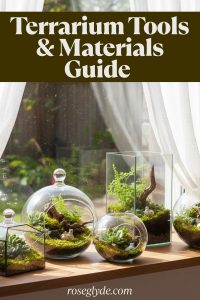
- My Favorite Terrarium Tools and Materials
- Water Terrariums
- 10 Creative Terrarium Decoration Ideas
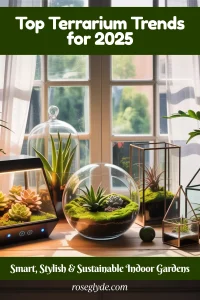
- Terrarium Trends in 2025
- The Best Plants for Closed Terrariums
- Gardens Under Glass: The Rise of Terrariums and Greenhouses